A footwear factory does not simply need a container of glue. It needs a bonding solution that works consistently across different materials, production stages, and performance requirements. This is why experienced shoe glue suppliers can offer value that goes well beyond supplying adhesive products. The right supplier can help manufacturers understand material compatibility, application methods, surface preparation, and production requirements. For a footwear maker, that support can mean fewer bonding problems and more consistent results. From PU formulations for demanding sole bonding to guidance on working with leather, canvas, rubber, and synthetic materials, supplier expertise matters. In this blog, we will look at what footwear manufacturers should expect beyond the adhesive itself and why supplier support can become an important part of production success.
Not every footwear component requires the same adhesive. Sneakers, formal shoes, sports footwear, leather goods, and casual footwear can involve different combinations of materials and different performance demands.
A knowledgeable supplier should understand these differences instead of simply offering one product for every application. PU adhesive for shoes, for example, can be suitable for demanding sole bonding when flexibility, strength, and resistance are important.
Footwear production can involve TPR, PVC, PU, EVA, natural rubber, nitrile rubber, leather, synthetic leather, suede, canvas, textiles, foams, and plastics. Each combination can behave differently during bonding.
A supplier's role is therefore not just to sell adhesive but to help manufacturers identify whether the selected formulation is appropriate for the surfaces being joined.
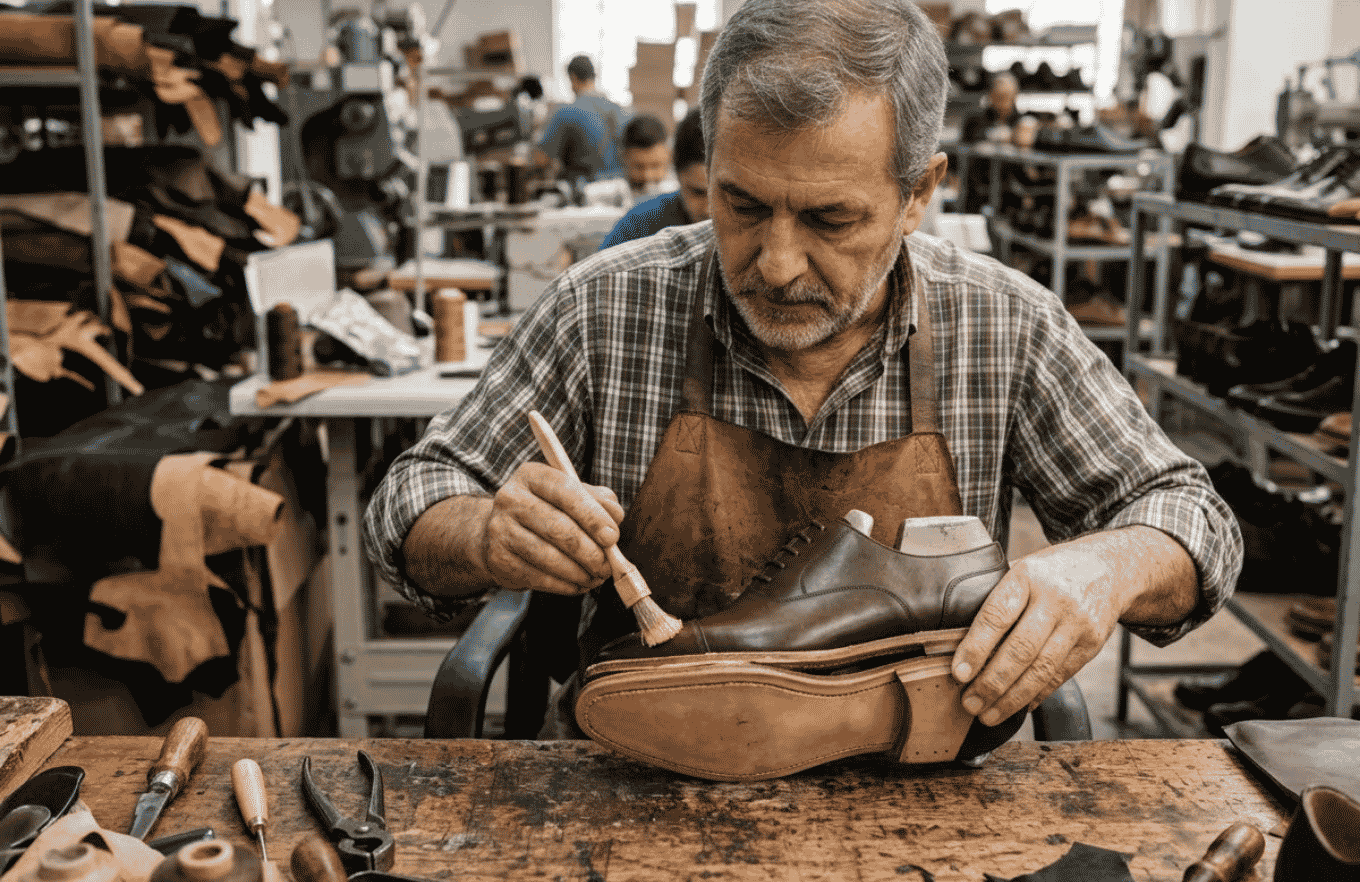
Even a high-performance adhesive can produce poor results when the application process is inconsistent. Surface contamination, incorrect adhesive coverage, insufficient drying time, or inadequate pressing can all affect bond performance.
This is where supplier knowledge becomes particularly useful. Manufacturers may need guidance on surface preparation, adhesive application, tack-drying, heat activation, and pressing conditions.
For example, Profix is designed for high-stress footwear bonding, with application guidance recommending surface priming when necessary, adhesive application to both surfaces, tack-drying, and heat activation before pressing.
Footwear goes through plenty of abuse. Soles flex, surfaces experience friction, and shoes may be exposed to heat, moisture, and repeated movement.
A suitable adhesive should be selected according to the expected use of the finished product. PU adhesive for shoes can provide strong bonding for uppers and soles while maintaining the flexibility needed for footwear applications.
Profix is designed for sole bonding across sneakers, formal shoes, and sports footwear, with heat resistance and plasticizer resistance supporting demanding applications.
Samad Adhesive can provide manufacturers with access to adhesive solutions suited to footwear bonding requirements rather than treating adhesive selection as a one-size-fits-all decision.
The expertise of shoe glue suppliers can also extend beyond footwear assembly. A product developed for strong bonding may have useful applications in related manufacturing areas.
Profix, for instance, is also positioned for leather goods assembly, automotive trimming, and technical repairs involving compatible rubber and synthetic materials.
This broader application knowledge can help manufacturers evaluate whether an existing adhesive solution may be suitable for other production requirements instead of sourcing a completely different product unnecessarily.
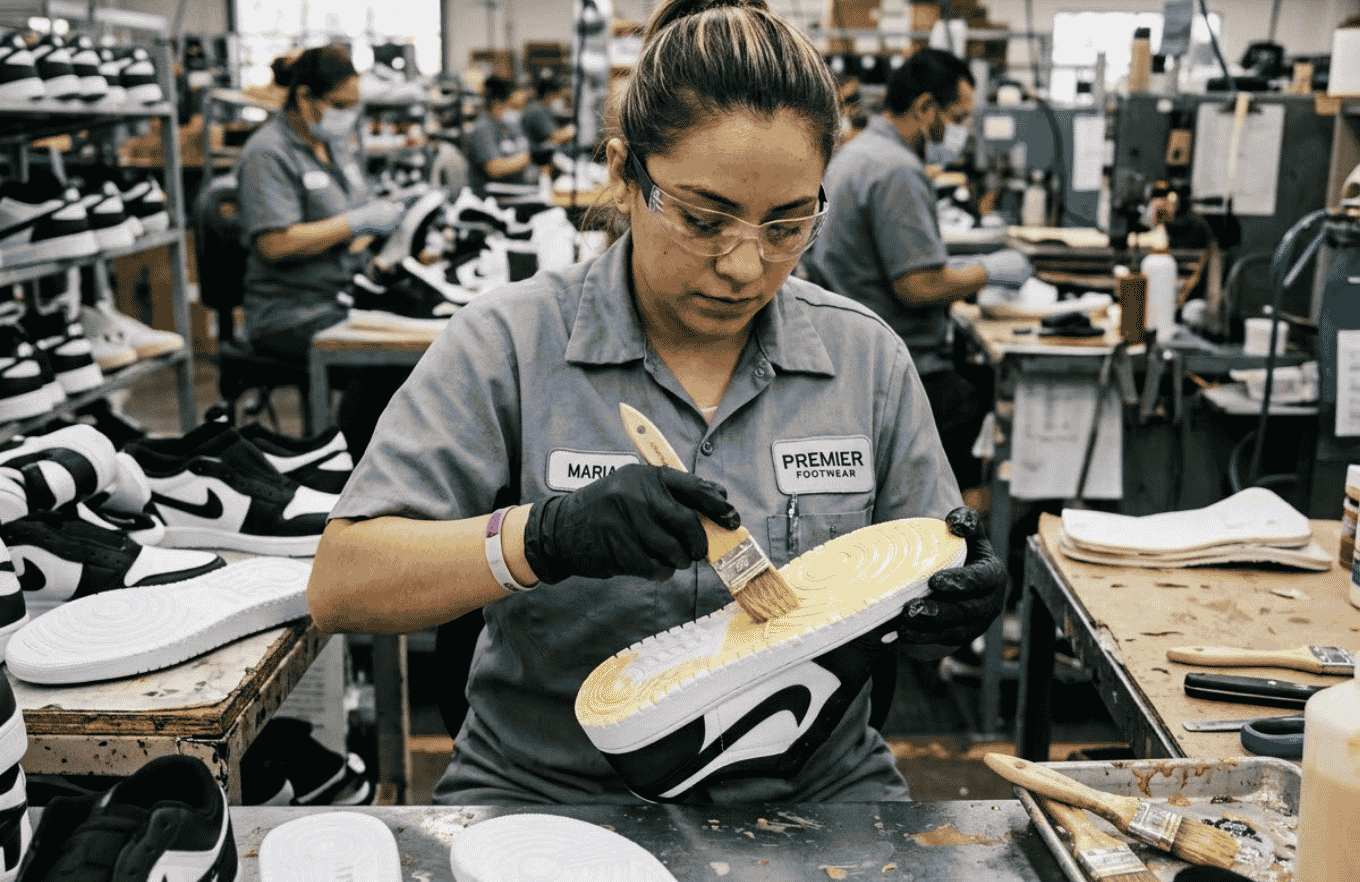
For manufacturers, consistency is just as important as strength. A bond that performs well on one batch but poorly on another can create rework, waste, and customer complaints.
A dependable supplier should therefore focus on consistent product quality and clear application recommendations. Samad Adhesive supports industrial users by offering adhesive solutions designed around practical manufacturing requirements.
Production workers benefit when adhesive instructions are clear and easy to follow. Consistent surface preparation, application, drying, activation, and pressing can help reduce variations between operators.
That process-focused support is something manufacturers should consider when evaluating suppliers. The cheapest adhesive is not necessarily the most economical choice if application problems repeatedly interrupt production.
When a bonding issue appears, manufacturers need more than another shipment of adhesive. They need to understand what went wrong.
Was the surface contaminated? Was the adhesive applied correctly? Was enough tack time allowed? Did the materials require priming? Was the pressing process suitable?
A supplier with practical technical knowledge can help manufacturers work through these questions more effectively.
Samad Adhesive can be considered by footwear manufacturers looking for adhesive products alongside application-focused support and product knowledge.
The relationship should ideally go beyond ordering and delivery. Manufacturers should look for suppliers that understand footwear materials, bonding requirements, application processes, and product performance.
A strong supplier relationship can help manufacturers make more informed adhesive choices as their product range evolves. It can also support troubleshooting when a new material or production method introduces a bonding challenge.
Most importantly, supplier value should be measured by how effectively the adhesive solution fits the manufacturing process, not simply by the number of products available.
The best shoe glue suppliers provide more than a product. They provide knowledge that helps manufacturers use that product correctly.
Whether the requirement involves sole bonding, leather assembly, synthetic materials, or technical repairs, the combination of suitable adhesive and proper application knowledge can make the bonding process more reliable.
Samad Adhesive offers solutions such as Profix for manufacturers seeking high-performance bonding across footwear and related applications.
Contact Samad Adhesive for footwear bonding guidance and reliable adhesive solutions matched to your materials and production requirements.
Adhesive is only one part of successful footwear bonding. Material compatibility, preparation, application technique, activation, pressing, and production consistency all influence the finished bond.
That is why manufacturers should evaluate shoe glue suppliers based on the complete value they bring to the production process. A supplier that combines suitable products with practical technical understanding can become a useful production partner rather than simply another vendor.
They should expect suitable product recommendations, material compatibility guidance, application instructions, and support for troubleshooting common bonding issues.
It can be suitable for many footwear applications, including compatible soles and uppers made from materials such as PU, PVC, TPR, EVA, leather, synthetic leather, suede, and canvas.
Correct preparation, adhesive coverage, tack-drying, heat activation, and pressing can all influence final bond performance, making proper application guidance essential.

.svg)