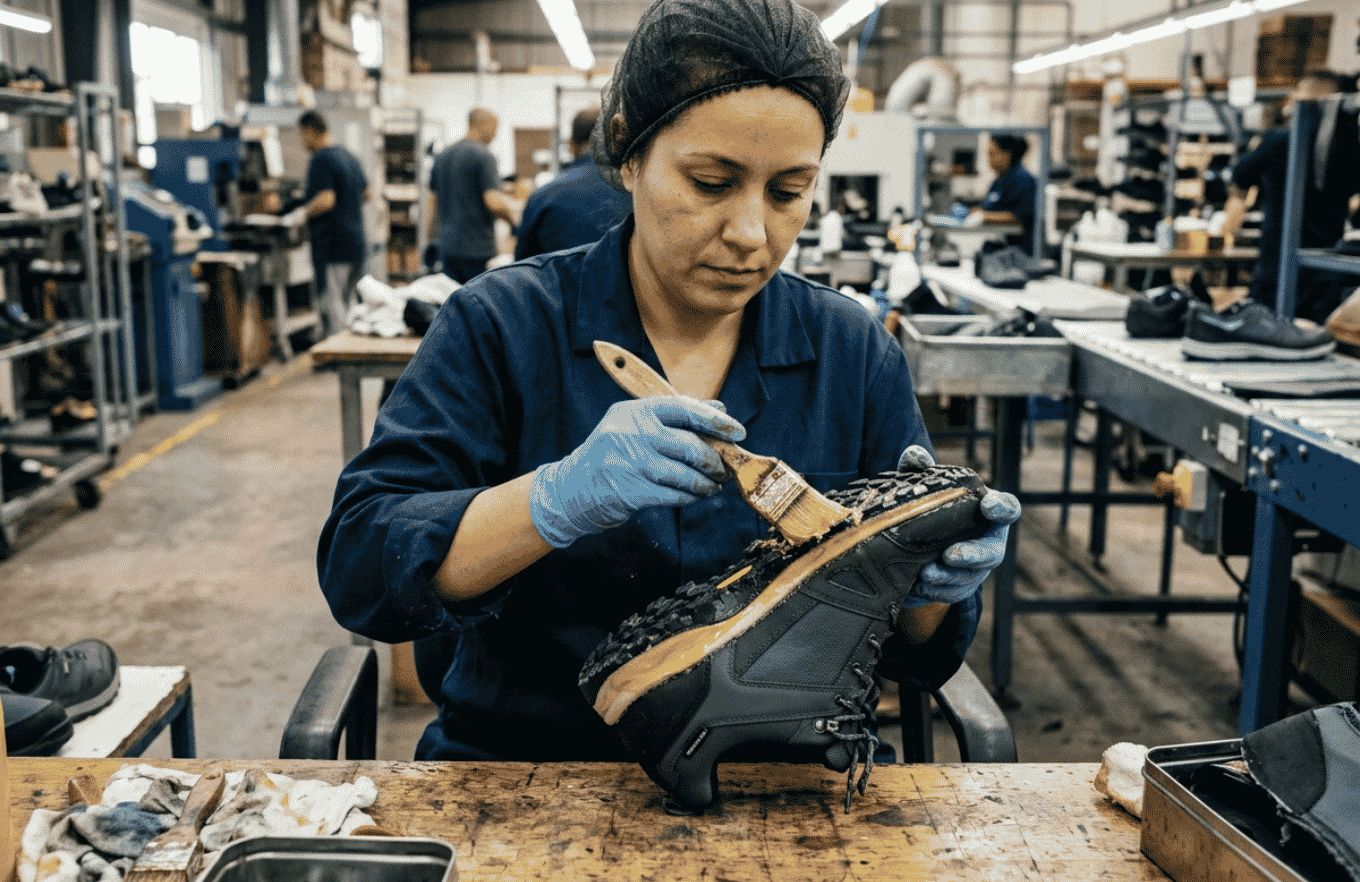
A great pair of shoes is expected to do much more than look good. From scorching summer roads to rainy streets and freezing winters, footwear faces constant environmental stress throughout its lifetime. While materials like leather, mesh, and rubber receive most of the attention, the adhesive holding everything together often determines whether a shoe lasts for years or starts falling apart after a few months. Manufacturers who understand this reality know that choosing the right bonding solution is a decision that directly affects durability, customer satisfaction, and product reputation.
Different climates place different demands on adhesives, making product selection far more important than many realize. PU Adhesive for Shoes has become a preferred choice because it delivers flexibility, strength, and dependable bonding across a wide range of environmental conditions. When combined with proper manufacturing practices, it helps footwear maintain its structure even under demanding use. In this blog, we're going to explore how climate affects adhesive performance, what qualities manufacturers should prioritize, and why selecting the right adhesive makes all the difference.
Footwear rarely stays in a controlled environment. A single pair of shoes may experience extreme heat, heavy rainfall, dusty roads, humidity, and freezing temperatures within its service life. Every environmental change places stress on bonded joints.
An experienced Shoe Glue Supplier understands that adhesives must perform consistently regardless of changing weather conditions. Rather than focusing only on initial bond strength, manufacturers evaluate long-term flexibility, resistance to moisture, and durability under repeated movement.
High-quality adhesives should maintain performance in:
● Hot outdoor environments
● Cold storage conditions
● Humid coastal regions
● Dry climates
● Daily walking and constant flexing
When these factors are considered during product selection, footwear remains dependable for much longer.
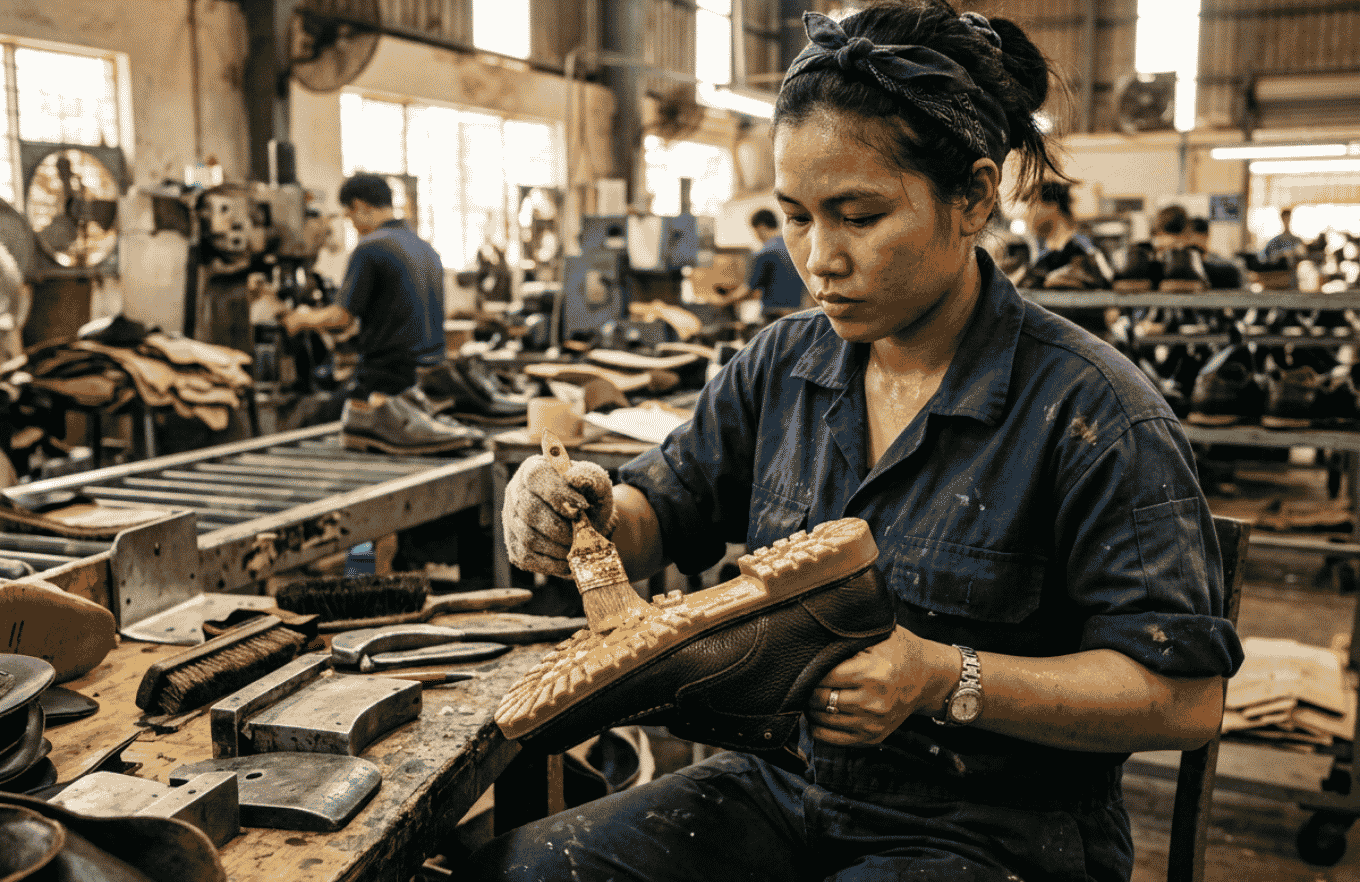
High temperatures are one of the biggest challenges for footwear adhesives. Shoes left inside vehicles, exposed to direct sunlight, or worn on hot pavement experience significant heat buildup.
Premium products like Profix PU Adhesive are engineered with excellent heat resistance to help prevent sole separation even under demanding conditions. This allows manufacturers to produce footwear that maintains its structural integrity despite prolonged exposure to elevated temperatures.
Moreover, heat resistance is especially valuable for sports shoes, industrial footwear, and everyday sneakers that experience continuous movement throughout the day.
Humidity and water exposure present another major challenge for footwear manufacturers. Moisture can gradually weaken ordinary adhesives, leading to peeling edges, loose soles, and expensive warranty claims. This is why selecting a dependable Shoe Glue Supplier becomes an important business decision rather than simply a purchasing choice.
Modern polyurethane adhesives are designed to maintain strong bonding performance even when shoes are frequently exposed to damp environments. Products such as Profix PU Adhesive provide dependable adhesion between uppers and soles while maintaining flexibility throughout the product's lifespan. Their crystal-clear finish also preserves the appearance of premium footwear without leaving visible glue marks.
Even the highest-quality adhesive cannot deliver maximum performance if applied incorrectly. Manufacturers should always follow recommended application procedures to achieve reliable, long-lasting bonds.
For consistent results:
● Prepare and clean bonding surfaces thoroughly.
● Apply adhesive evenly on both surfaces.
● Allow proper tack-drying before assembly.
● Heat-activate the adhesive when recommended.
● Apply firm, uniform pressure during bonding.
Furthermore, following these simple practices improves bond consistency, reduces production defects, and extends the life of finished footwear.
Today's footwear combines several materials within a single shoe. Leather uppers, synthetic fabrics, EVA midsoles, PVC components, rubber outsoles, and textile linings all require an adhesive capable of bonding different substrates without sacrificing flexibility.
Profix PU Adhesive is designed for bonding:
● Natural leather
● Synthetic leather (Rexine)
● Suede
● Canvas
● TPR soles
● PVC
● PU
● EVA
● Natural and nitrile rubber
● Textiles and selected plastics
Its superior plasticizer resistance also helps maintain durable bonds when working with PVC and other synthetic materials that often challenge conventional adhesives.
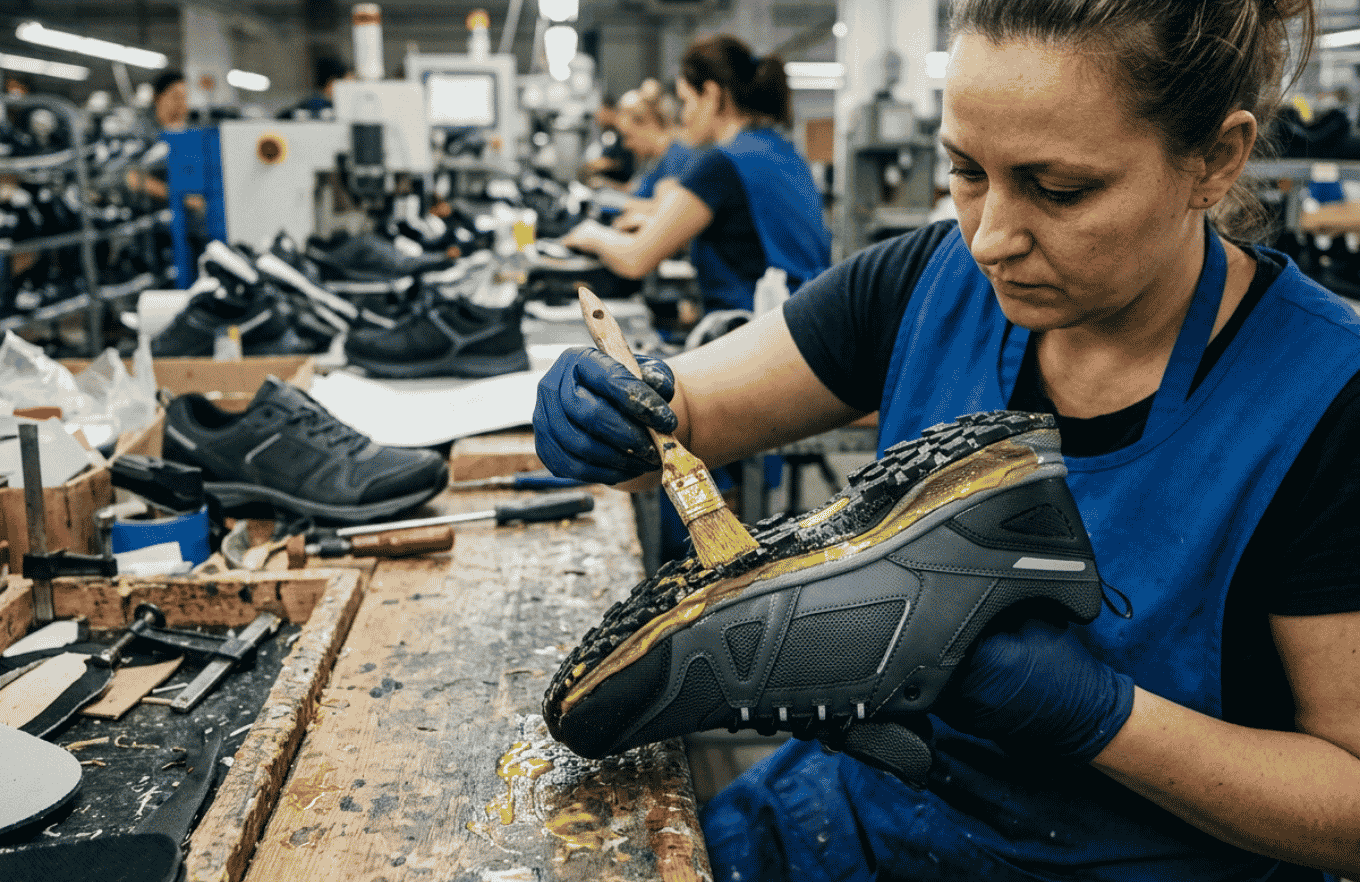
Footwear manufacturers succeed when customers trust the durability of every pair they produce. Selecting the right adhesive partner reduces product failures, improves manufacturing consistency, and strengthens long-term brand reputation. Companies like Samad Adhesive continue supporting footwear manufacturers with reliable bonding solutions developed for demanding production environments.
Most importantly, investing in premium adhesive technology is an investment in product quality, customer satisfaction, and long-term manufacturing success.
Contact Samad Adhesive today for reliable footwear bonding solutions engineered to deliver lasting performance across every climate and application.
Climate conditions constantly test the durability of footwear, making adhesive performance more important than ever. From extreme heat to moisture and continuous flexing, choosing the right PU Adhesive for Shoes helps manufacturers produce footwear that maintains strength and appearance over time. Combined with correct application techniques and dependable product quality, a trusted adhesive solution delivers lasting value for both manufacturers and customers alike.
Its excellent heat resistance helps maintain strong bonds and reduces the risk of sole separation even during prolonged exposure to high temperatures.
A dependable supplier provides consistent product quality, technical guidance, and adhesives designed for long-term footwear performance across different environments.
It bonds leather, synthetic leather, suede, canvas, TPR, PVC, PU, EVA, natural rubber, nitrile rubber, textiles, foams, and selected plastics with excellent durability.


.svg)