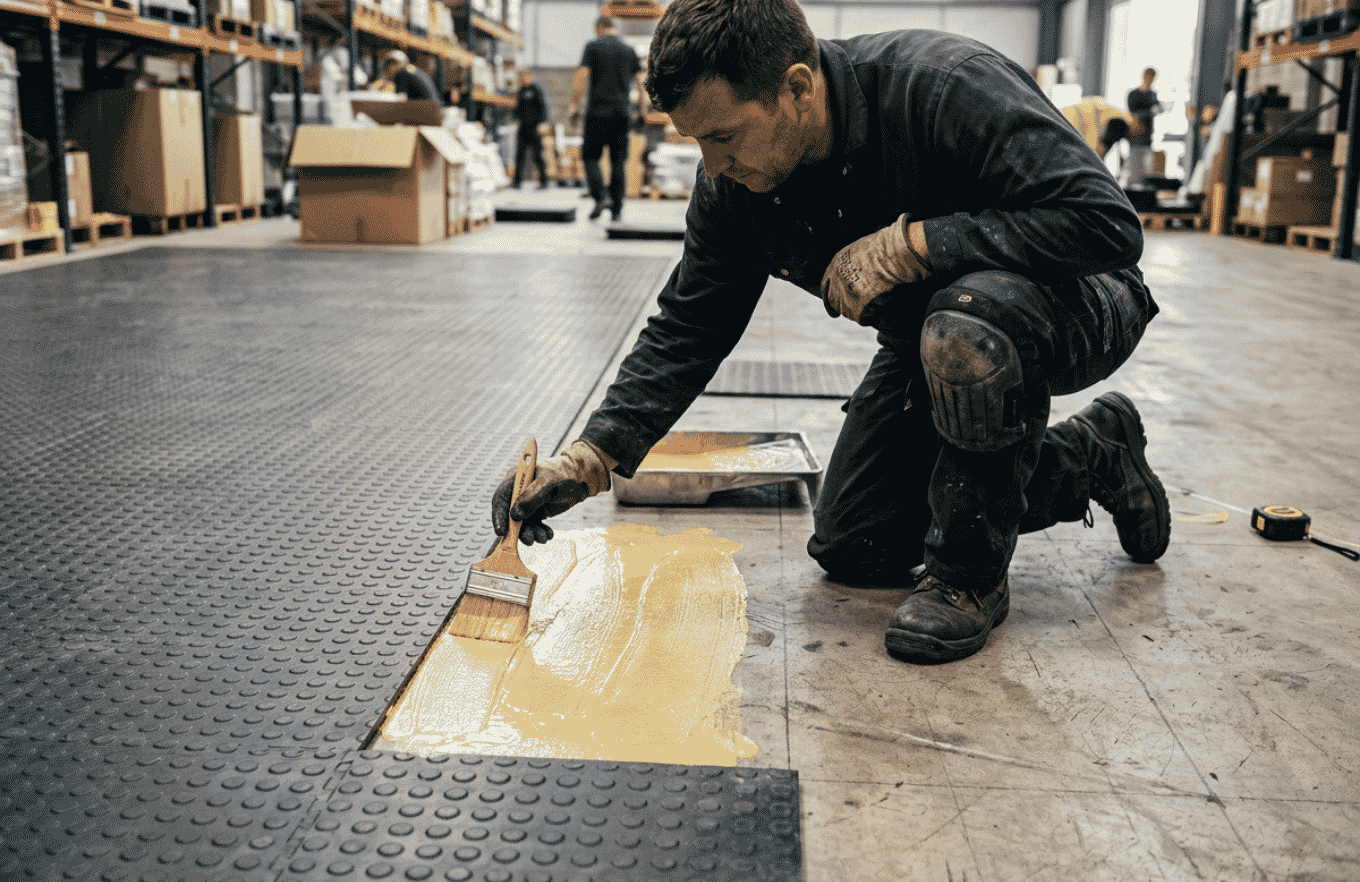
Great rubber products rarely happen by accident. Whether it is automotive components, industrial seals, conveyor belts, footwear, or machinery parts, the strength of the final product often depends on one detail many businesses overlook: the adhesive behind every bond. A weak adhesive can shorten product life, increase repair costs, and damage customer trust. On the other hand, the right solution creates durable products that withstand pressure, movement, moisture, and changing temperatures without compromising performance.
An experienced Industrial Adhesive Manufacturer understands these challenges and develops solutions that match real manufacturing requirements rather than offering one-size-fits-all products. In industries where precision matters, choosing the right adhesive partner is just as important as selecting quality raw materials. In this blog, we'll explore what separates outstanding manufacturers from average suppliers and why their expertise plays a vital role in successful rubber bonding applications.
Rubber is one of the most flexible materials used in manufacturing, but that flexibility also makes it one of the most challenging materials to bond effectively. Different rubber compounds react differently to adhesives, making product selection critical.
An experienced manufacturer studies not only the adhesive formula but also how it performs under real production conditions.
A reliable partner understands bonding requirements for:
● Natural rubber
● Synthetic rubber
● EPDM components
● Neoprene materials
● Nitrile rubber applications
● Rubber-to-metal assemblies
● Rubber-to-plastic bonding
Instead of recommending a generic adhesive, experienced manufacturers evaluate the complete application before suggesting the best solution.
Many buyers initially compare adhesives based on cost per container. However, experienced manufacturers focus on the overall production value rather than the purchase price alone.
A premium adhesive can reduce:
● Product failures
● Material waste
● Labor costs
● Production downtime
● Customer complaints
This long-term approach delivers significantly better value than choosing the lowest-priced product.
Manufacturers depend on predictable production.
An adhesive that performs perfectly one week but differently the next creates expensive manufacturing problems.
Professional quality control ensures:
● Uniform viscosity
● Stable curing behavior
● Reliable bond strength
● Consistent application performance
● Predictable shelf life
This consistency allows production teams to maintain efficiency without constantly adjusting processes.
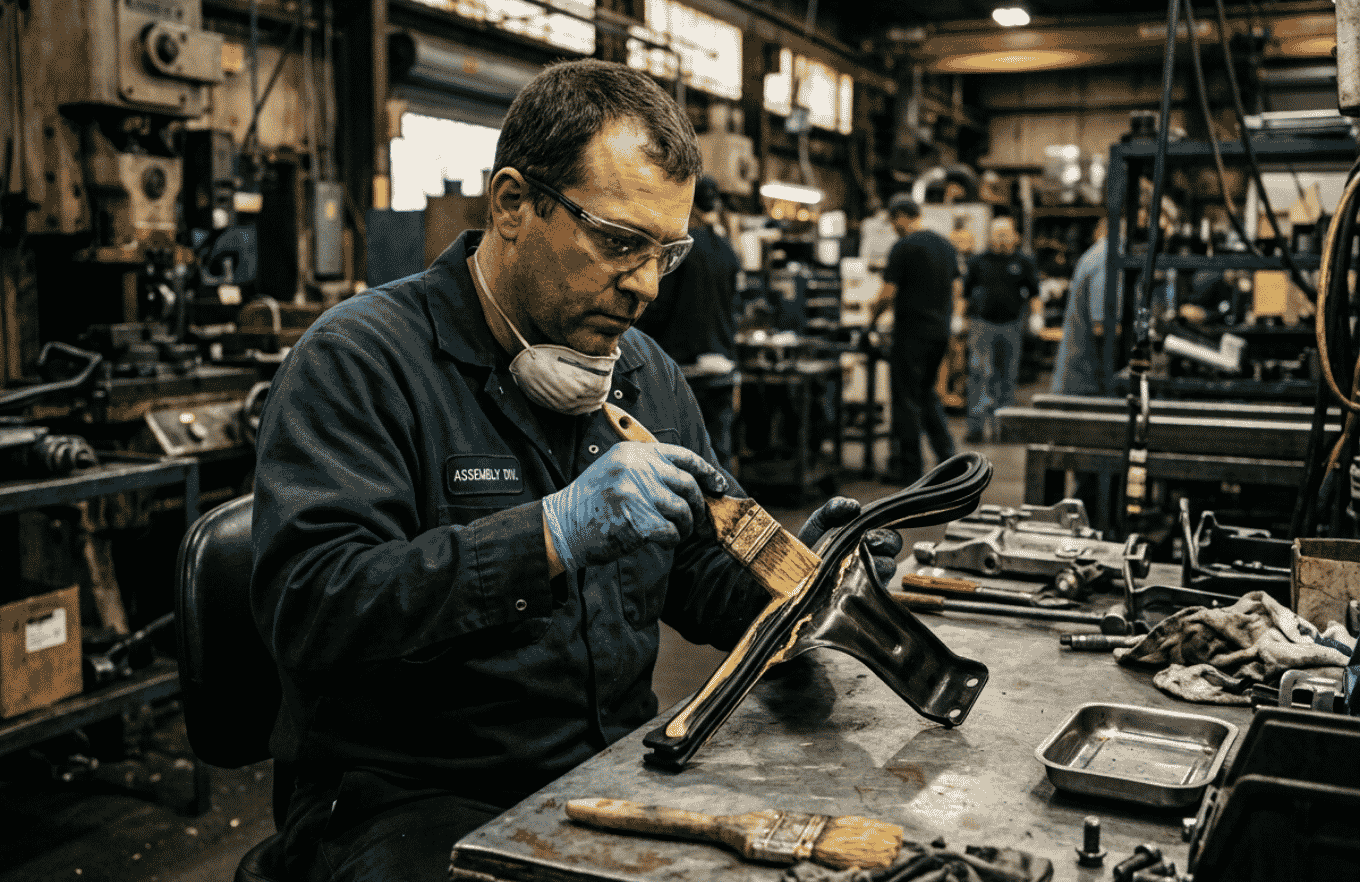
Not every bonding challenge can be solved by reading a product label.
An experienced Industrial Adhesive Manufacturer provides technical guidance before, during, and after product selection.
That support often includes:
● Surface preparation advice
● Application recommendations
● Drying time optimization
● Bond strength evaluation
● Production troubleshooting
Instead of simply selling adhesive, the manufacturer becomes part of the customer's production success.
Different industries require different performance characteristics.
A single adhesive cannot deliver the same results for automotive seals, industrial rollers, rubber flooring, and machinery components.
This is where specialized Rubber Adhesive for Industrial Use becomes valuable because it is engineered around actual working environments rather than general-purpose bonding.
Manufacturing requirements continue to evolve. New rubber compounds, automated production lines, higher performance expectations, and stricter quality standards mean adhesive technology must improve as well. A manufacturer that continuously invests in research and development helps businesses stay competitive instead of relying on outdated formulations.
This is where Rubber Adhesive for Industrial Use delivers measurable value. Rather than offering a universal solution, advanced formulations are designed for specific production environments, allowing manufacturers to improve efficiency while maintaining dependable bond strength.
A forward-thinking manufacturer focuses on:
● Improved heat resistance
● Better flexibility under stress
● Faster production cycles
● Longer-lasting bonds
● Reduced adhesive consumption
These improvements help manufacturers increase productivity without sacrificing product quality.
The strongest supplier relationships are built on consistency, technical knowledge, and dependable service.
Manufacturers value partners who understand production deadlines, maintain stable inventory, and provide products that perform exactly as expected. Moreover, dependable delivery schedules help factories avoid costly interruptions that can slow production or delay customer orders.
Companies such as Samad Adhesive continue earning trust because they combine manufacturing expertise with practical support for different industries. Whether serving rubber processors, furniture manufacturers, or footwear producers, dependable adhesive performance remains the foundation of long-term success.
Before making a decision, purchasing teams should evaluate more than pricing.
Consider asking:
● Does the manufacturer provide technical guidance?
● Are products tested for industrial environments?
● Can adhesive performance remain consistent across production batches?
● Is after-sales support available?
● Can the supplier recommend the right adhesive for different rubber materials?
These questions often reveal far more than a product catalog ever can.
Furthermore, manufacturers that openly answer technical questions usually demonstrate greater confidence in the quality of their products.
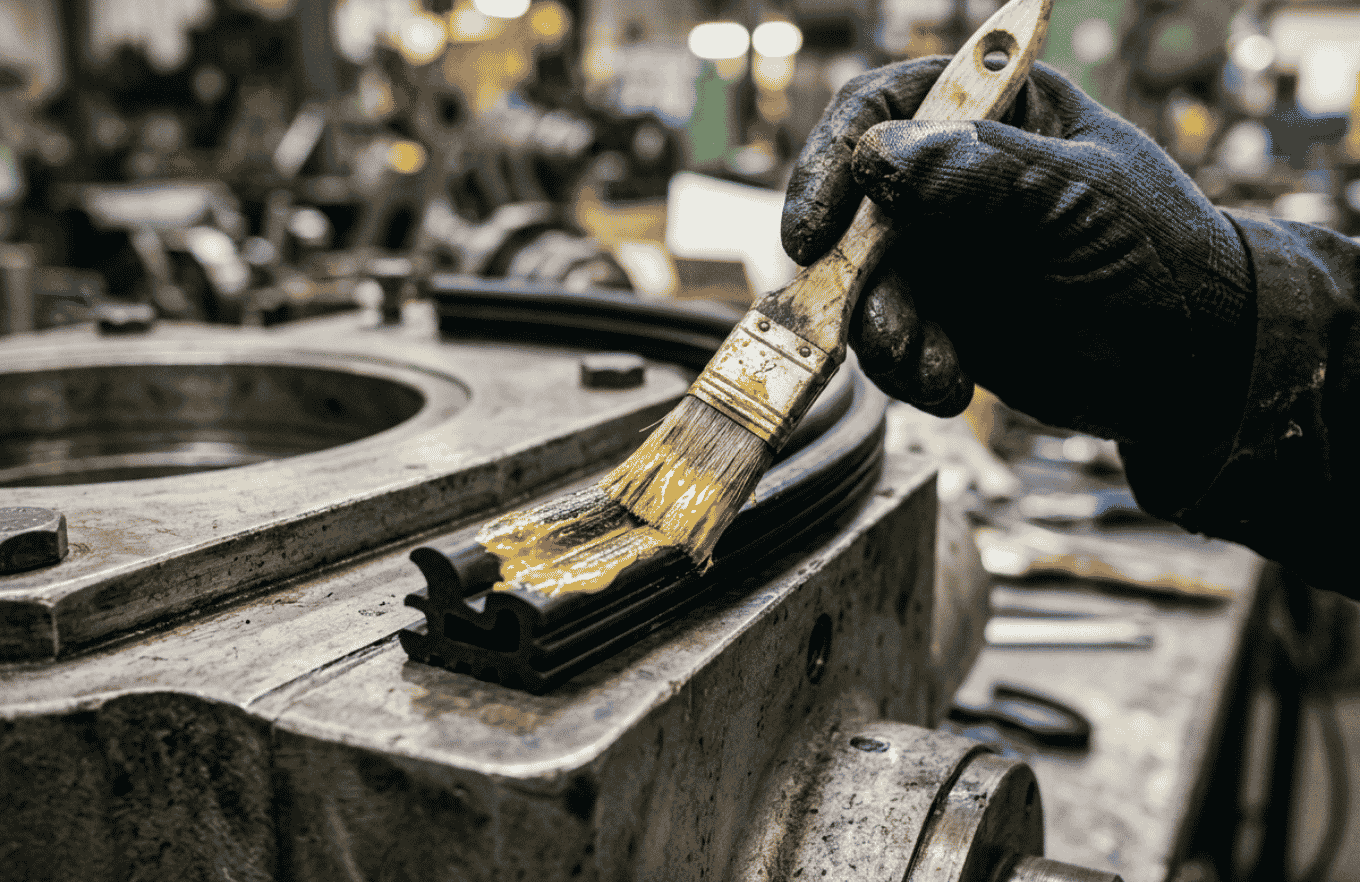
Bond failure rarely happens immediately. It often appears months after production through peeling, cracking, separation, or weakened joints. Preventing these issues starts by selecting a manufacturer that understands the science behind industrial bonding instead of simply supplying adhesive.
Most importantly, the right manufacturing partner helps businesses improve product reliability, reduce warranty claims, strengthen customer confidence, and maintain consistent production quality over time. Those advantages create lasting value that extends well beyond the initial adhesive purchase.
Contact Samad Adhesive today for expert industrial bonding solutions engineered to improve durability, efficiency, and long-term manufacturing performance.
Rubber bonding is far more complex than applying adhesive between two surfaces. It requires technical expertise, consistent manufacturing standards, dependable product quality, and ongoing customer support. An experienced Industrial Adhesive Manufacturer understands these requirements and provides solutions that help manufacturers achieve stronger, longer-lasting products.
Businesses that invest in reliable Rubber Adhesive for Industrial Use benefit from improved production efficiency, fewer bonding failures, and greater confidence in the products they deliver. Choosing the right adhesive partner today creates stronger manufacturing performance for years to come.
A knowledgeable manufacturer provides consistent adhesive quality, technical expertise, and application-specific solutions that improve bond strength, product durability, and manufacturing efficiency.
It is widely used in automotive manufacturing, footwear production, conveyor belt assembly, industrial machinery, rubber flooring, sealing systems, and general industrial fabrication.
Proper surface preparation, selecting the correct adhesive, following recommended application procedures, and partnering with an experienced manufacturer all contribute to stronger, longer-lasting rubber bonds.

.svg)