Industrial bonding has evolved far beyond basic glue applications. Today, manufacturers require stronger, more flexible, and highly durable adhesive solutions capable of surviving pressure, heat, movement, and constant wear. That is why rubber adhesive for industrial use has become a preferred choice across multiple industries, including furniture, automotive, packaging, textiles, and construction. Unlike standard industrial glue, rubber-based adhesives provide enhanced elasticity, stronger surface grip, and better long-term bonding reliability.
Businesses looking for durable industrial bonding solutions often compare traditional glue products with advanced rubber-based formulations. Moreover, selecting the wrong adhesive can increase repair costs, reduce production efficiency, and affect product quality over time. This article explores the real differences between rubber adhesives and standard industrial glue while helping manufacturers understand which option delivers better long-term performance.
Standard industrial glue is generally designed for basic bonding tasks where flexibility and environmental resistance are not major priorities. While these adhesives may work for temporary or lightweight applications, they often struggle under industrial stress conditions.
On the other hand, rubber adhesive for industrial use is engineered specifically for demanding environments where materials face vibration, movement, pressure, moisture, and temperature fluctuations. Furthermore, rubber-based adhesives maintain bond integrity even when materials expand or contract during daily industrial operations.
This flexibility becomes critical in industries where durability directly affects product performance.
One major advantage of rubber-based adhesives is flexibility. Traditional industrial glue tends to harden over time, creating brittle bonds that crack under stress.
Rubber adhesives behave differently. They absorb movement and pressure while maintaining strong adhesion across multiple surfaces. Most importantly, this flexibility prevents bond failure in high-use industrial applications.
For example, furniture panels, automotive interiors, and laminated surfaces constantly experience small movements due to environmental changes. Rigid glue may weaken quickly, whereas flexible rubber adhesives continue performing efficiently.
Companies working with an experienced industrial adhesive manufacturer often prioritize adhesives capable of handling real-world operational stress rather than laboratory-only performance.
Many industrial failures are linked directly to poor adhesive flexibility. Some common problems include:
● Cracking under pressure
● Peeling laminate surfaces
● Weak edge bonding
● Reduced moisture resistance
● Heat-related bond failure
● Brittle joints after aging
Furthermore, these issues create production delays and increase maintenance costs for manufacturers.
Bonding strength is one of the biggest reasons manufacturers switch toward rubber-based adhesive systems. Standard glue may provide acceptable initial adhesion, but long-term performance often declines under industrial conditions.
Rubber adhesive for industrial use creates deeper surface interaction, allowing stronger bonding across wood, foam, laminate, rubber, leather, and synthetic materials. Moreover, these adhesives maintain strength even after prolonged exposure to pressure and environmental stress.
Industries that require permanent or semi-permanent bonding solutions typically rely on rubber-based formulations for this reason.
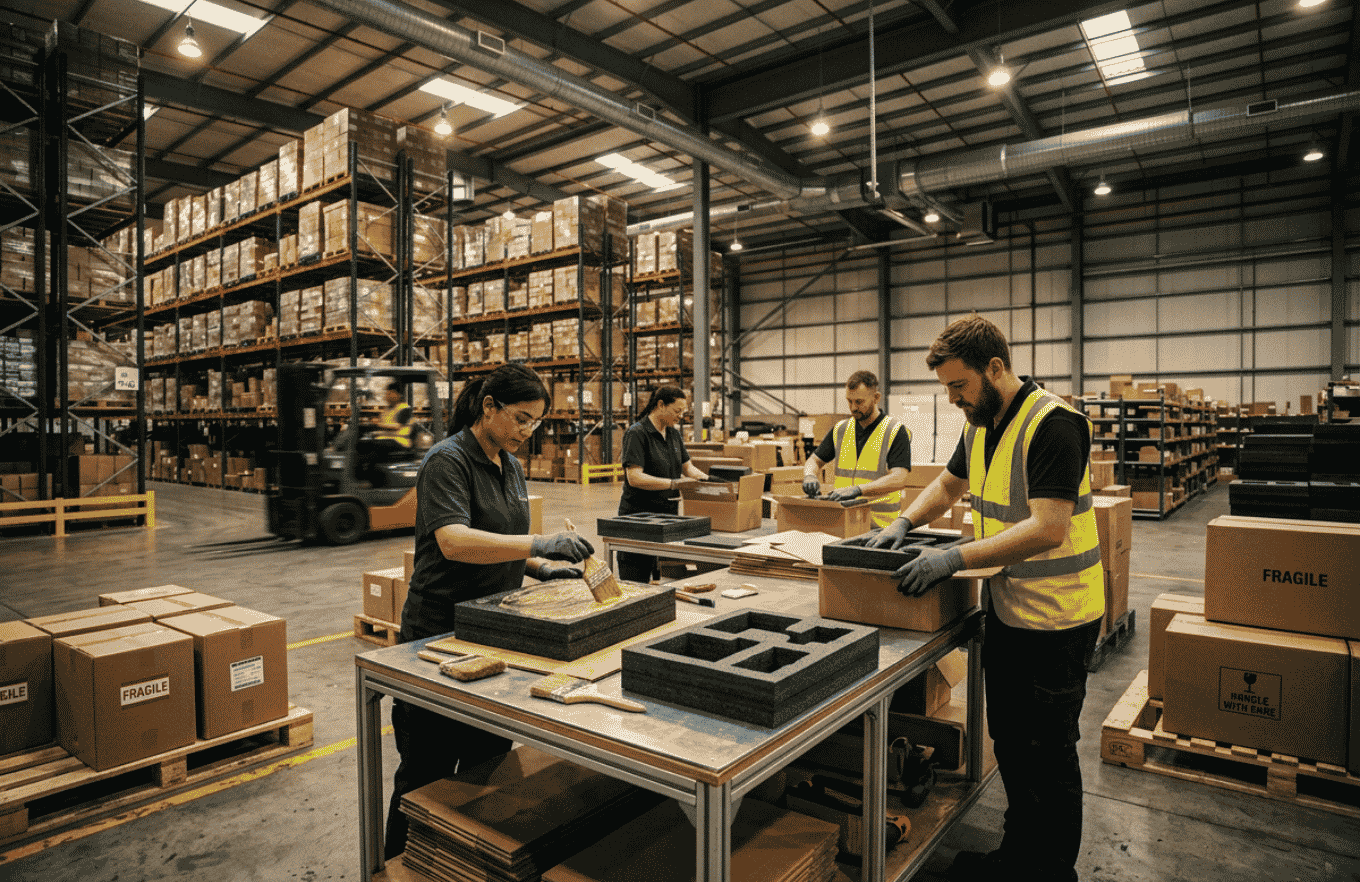
Industrial production involves bonding different materials together. Standard glue products are usually limited in terms of compatibility and may fail when applied across mixed surfaces.
Rubber-based adhesives support wider material compatibility, including:
● Wood and MDF
● Foam and fabric
● Laminate and veneer
● Rubber and leather
● Plastic and synthetic surfaces
● Metal and composite materials
Furthermore, businesses benefit from using one reliable adhesive system across multiple production lines instead of managing different glue types for different applications.
This operational convenience improves workflow consistency and reduces inventory complications.
Industrial environments rarely remain stable. Heat, humidity, dust, and pressure constantly challenge adhesive performance during manufacturing and product usage.
Standard industrial glue often weakens when exposed to high temperatures or excessive moisture. Most importantly, weakened bonding eventually leads to structural failures and customer complaints.
Rubber adhesive for industrial use performs significantly better in these demanding environments because it is designed to resist temperature variation and humidity exposure. Furthermore, it maintains elasticity rather than becoming rigid or brittle over time.
This is especially important in furniture production, automotive interiors, and packaging applications, where environmental stress is unavoidable.
Manufacturers focus heavily on efficiency, durability, and product consistency. Adhesives that fail frequently create unnecessary production losses and reduce customer confidence.
An experienced industrial adhesive manufacturer understands these production challenges and develops specialized adhesive systems accordingly. Moreover, rubber adhesives support faster workflows because they provide:
● Better surface grip
● Improved long-term durability
● Reduced repair requirements
● Cleaner application performance
● Stronger resistance against stress and vibration
Furthermore, manufacturers can improve production consistency by using adhesives designed specifically for industrial-scale operations.
Many businesses mistakenly compare adhesives based only on upfront pricing. However, adhesive value should always be measured through long-term performance.
Cheaper standard glue may initially reduce purchasing costs, but poor bonding can increase:
● Product returns
● Repair expenses
● Downtime costs
● Labor inefficiencies
● Material wastage
Rubber-based adhesives typically provide stronger lifecycle value because they reduce operational failures and improve product reliability.
Companies working with Samad Adhesive often prioritize performance stability because industrial production depends heavily on bonding consistency.
Rubber-based industrial adhesives are commonly used in:
● Furniture manufacturing
● Automotive assembly
● Textile bonding
● Footwear production
● Packaging systems
● Construction materials
Furthermore, these industries require adhesives capable of handling constant stress while maintaining strong and flexible bonds.
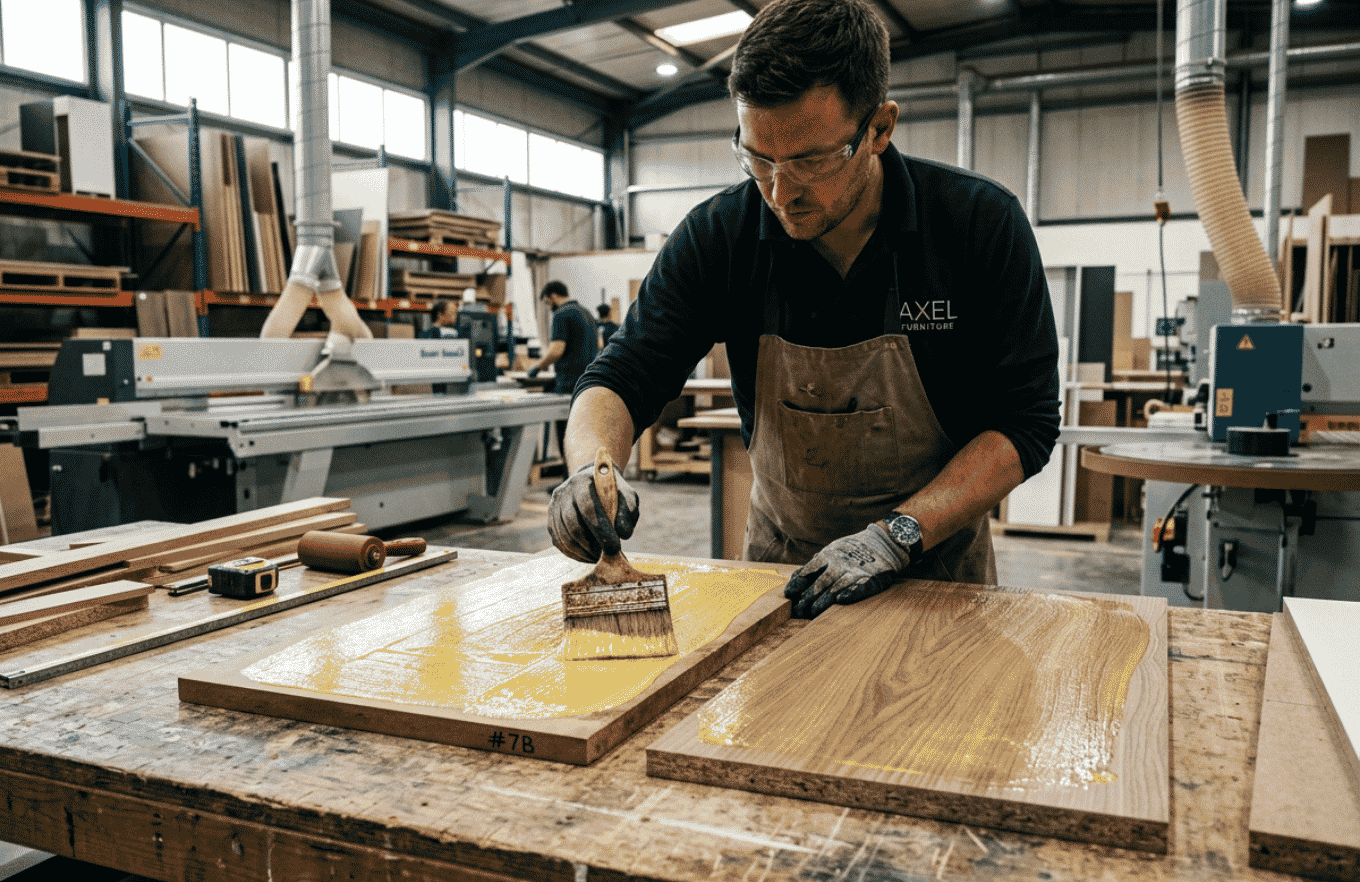
Industrial bonding technology continues to evolve rapidly. Today’s adhesive systems are designed not only for strength but also for operational efficiency, safety, and sustainability.
An experienced industrial adhesive manufacturer invests heavily in research to improve bonding reliability across modern industrial applications. Furthermore, advanced rubber adhesive systems now offer quicker drying times, stronger heat resistance, and cleaner finishes.
This innovation allows manufacturers to improve both production quality and operational speed simultaneously.
Samad Adhesive continues to support industrial businesses through high-performance adhesive technologies designed for demanding manufacturing environments.
Choosing the right adhesive depends heavily on application requirements. Standard glue may still work for lightweight, temporary, or low-stress applications. However, industries requiring durability, flexibility, and long-term bonding stability benefit significantly from rubber-based adhesive systems.
Before selecting an adhesive, businesses should evaluate:
Different materials require different bonding properties for reliable adhesion.
Heat, moisture, vibration, and movement affect adhesive performance significantly.
Fast-paced manufacturing often requires adhesives with stable curing and bonding behavior.
Adhesive failure creates expensive operational disruptions over time.
Most importantly, selecting the correct adhesive improves both product quality and manufacturing efficiency.
Industrial bonding is no longer just about sticking materials together. It directly affects durability, product performance, operational efficiency, and customer satisfaction. Rubber adhesive for industrial use offers clear advantages over standard industrial glue in terms of flexibility, bonding strength, heat resistance, and long-term reliability.
Furthermore, industries operating under demanding production conditions require adhesive systems capable of maintaining consistent performance under pressure. Businesses working with an experienced industrial adhesive manufacturer gain access to specialized bonding solutions designed for modern manufacturing challenges. As industrial standards continue evolving, rubber-based adhesives remain a smarter and more dependable choice for companies focused on quality, efficiency, and long-term operational success.
Contact Samad Adhesive today for industrial bonding solutions that improve production reliability, durability, efficiency, and long-term manufacturing performance across demanding applications.
Rubber adhesive for industrial use provides flexible, pressure-resistant bonding that performs better under heat, movement, moisture, and industrial stress conditions.
Furniture, automotive, footwear, textile, packaging, and construction industries benefit greatly from rubber-based industrial adhesive systems because of their durability and flexibility.
An industrial adhesive manufacturer provides reliable adhesive systems that reduce failures, improve bonding consistency, minimize downtime, and support faster industrial workflows.

.svg)