A shoe may look great on the shelf, but its real quality shows when the sole stays firmly attached through daily walking, repeated movement, and changing temperatures. That performance depends on a bonding process that deserves more attention than it often gets. Choosing PU Adhesive for shoes means understanding the materials being joined, the stresses the footwear will face, and the application method needed for a lasting bond. For footwear manufacturers, the right adhesive can support both construction quality and a clean finished appearance. In this blog, we’ll explore what makes Profix PU Adhesive useful for footwear production and what buyers should consider before selecting a bonding solution.
Sole bonding is not simply about sticking two surfaces together. Shoes flex with every step, experience friction, and may be exposed to heat during wear. An adhesive must suit these conditions as well as the materials used in the shoe.
A product selected without considering compatibility may lead to weak bonding, visible glue marks, or premature separation. Working with a knowledgeable Shoe Glue Supplier helps manufacturers assess the application instead of choosing a product based on price or general strength claims alone.
Samad Adhesive offers Profix PU Adhesive for footwear applications requiring strong bonding between shoe uppers and soles. It is designed for sneakers, formal shoes, and sports footwear, where the bond needs to withstand demanding use.
Its formulation is suitable for a range of sole materials, including TPR, PVC, PU, EVA, natural rubber, and nitrile rubber. Upper materials include natural leather, synthetic leather, suede, and canvas. This range makes material assessment an important part of selecting the right bonding approach for each shoe design.

Heat can affect adhesive performance, particularly when footwear is exposed to elevated temperatures during use or production. Profix is formulated to provide heat resistance and help maintain bond integrity under demanding conditions. Manufacturers should still follow the recommended application process to achieve the intended results.
Adhesive performance matters, but appearance counts too. Visible glue lines or yellowing can detract from carefully finished footwear, especially when working with lighter colors or premium materials. Profix dries transparently, supporting a cleaner finish when applied correctly.
Certain PVC and synthetic materials contain plasticizers that can interfere with bonding. Profix is formulated to resist plasticizers, making this feature relevant when selecting an adhesive for compatible synthetic footwear materials.
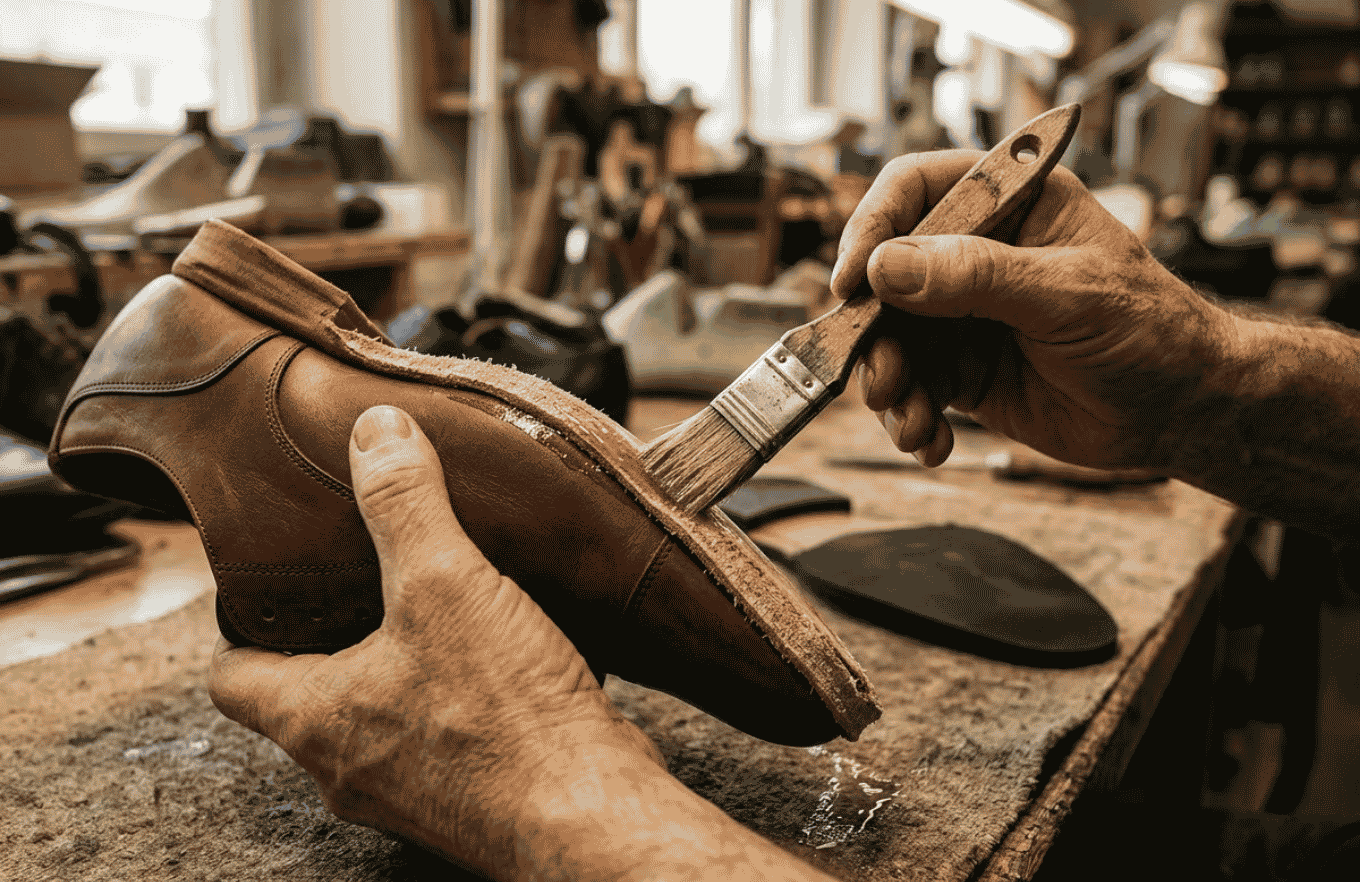
Even a suitable adhesive needs proper handling. Surface preparation, coverage, drying time, and pressing all influence the finished result.
For Profix PU Adhesive, the recommended process includes priming surfaces when necessary, applying adhesive to both surfaces, allowing it to become tack-dry, heat-activating, and then pressing the surfaces together. Manufacturers should follow product-specific instructions and assess the process against their materials and production conditions.
Moreover, consistent application practices can help reduce avoidable variation between pairs and production batches. Samad Adhesive’s footwear adhesive offering is most useful when product selection and application requirements are considered together.
Although footwear is the primary application, Profix can also be used in other bonding tasks involving suitable materials. These include leather goods assembly for belts, handbags, and wallets, automotive interior trimming, and technical repairs involving rubber and synthetic materials.
For manufacturers sourcing from a Shoe Glue Supplier, these additional applications may be relevant when their operations extend beyond footwear. However, suitability should always be confirmed for the specific materials and working conditions involved.
Before purchasing, manufacturers should identify the sole and upper materials, the expected conditions of use, the required finish, and the application method available on their production line. They should also clarify preparation and activation requirements before introducing an adhesive into regular production.
Samad Adhesive provides Profix PU Adhesive for manufacturers seeking a footwear bonding solution with heat resistance, a transparent finish, and plasticizer resistance. Reviewing these features against actual production needs helps buyers make a more informed choice.
Contact Samad Adhesive today to discuss Profix PU Adhesive and find a suitable bonding solution for your footwear manufacturing requirements.
Footwear bonding requires more than an adhesive that initially holds two surfaces together. Material compatibility, heat resistance, appearance, plasticizer resistance, and correct application all contribute to the finished result. Profix PU Adhesive offers features designed for demanding footwear applications, including bonding different sole and upper materials. By evaluating production requirements before purchasing and following the recommended application process, manufacturers can make more informed decisions about their adhesive needs. A thoughtful approach helps keep the quality part of the shoe's construction from the production line to everyday wear.
It is used to bond shoe uppers and soles, with suitability depending on the adhesive formulation, materials, and application requirements.
It is designed for compatible materials including TPR, PVC, PU, EVA, natural and nitrile rubber, natural and synthetic leather, suede, and canvas.
They should confirm material compatibility, prepare surfaces correctly, follow the recommended drying and activation process, and use appropriate pressing methods.