Choosing the right adhesive can make or break a footwear production line. When soles need to stay firmly attached through bending, heat, pressure, and everyday wear, the adhesive has to do much more than simply hold two surfaces together. It needs to work consistently with your materials, production process, and quality standards.
For manufacturers producing sneakers, formal shoes, sports footwear, or other bonded products, PU Adhesive for Shoes can offer the combination of strength, flexibility, and durability that demanding applications require. The real question, however, is whether it fits your particular production process and the materials moving through your factory.
From sole compatibility and heat resistance to application requirements and long-term bond performance, several factors can determine whether a PU adhesive is the right fit. This article takes a closer look at those factors, using practical production considerations to help you decide whether switching to or continuing with a PU-based solution makes sense for your footwear operation.
Footwear brings together materials with very different characteristics. Soles can be made from TPR, PVC, PU, EVA, natural rubber, or nitrile rubber, while uppers may use natural leather, synthetic leather, suede, canvas, textiles, or foams.
This variety makes adhesive selection particularly important. A suitable PU Adhesive for Shoes can create strong bonds across several commonly used footwear materials while maintaining the flexibility needed during everyday movement.
For manufacturers, this versatility means fewer compromises when designing or producing different footwear styles.
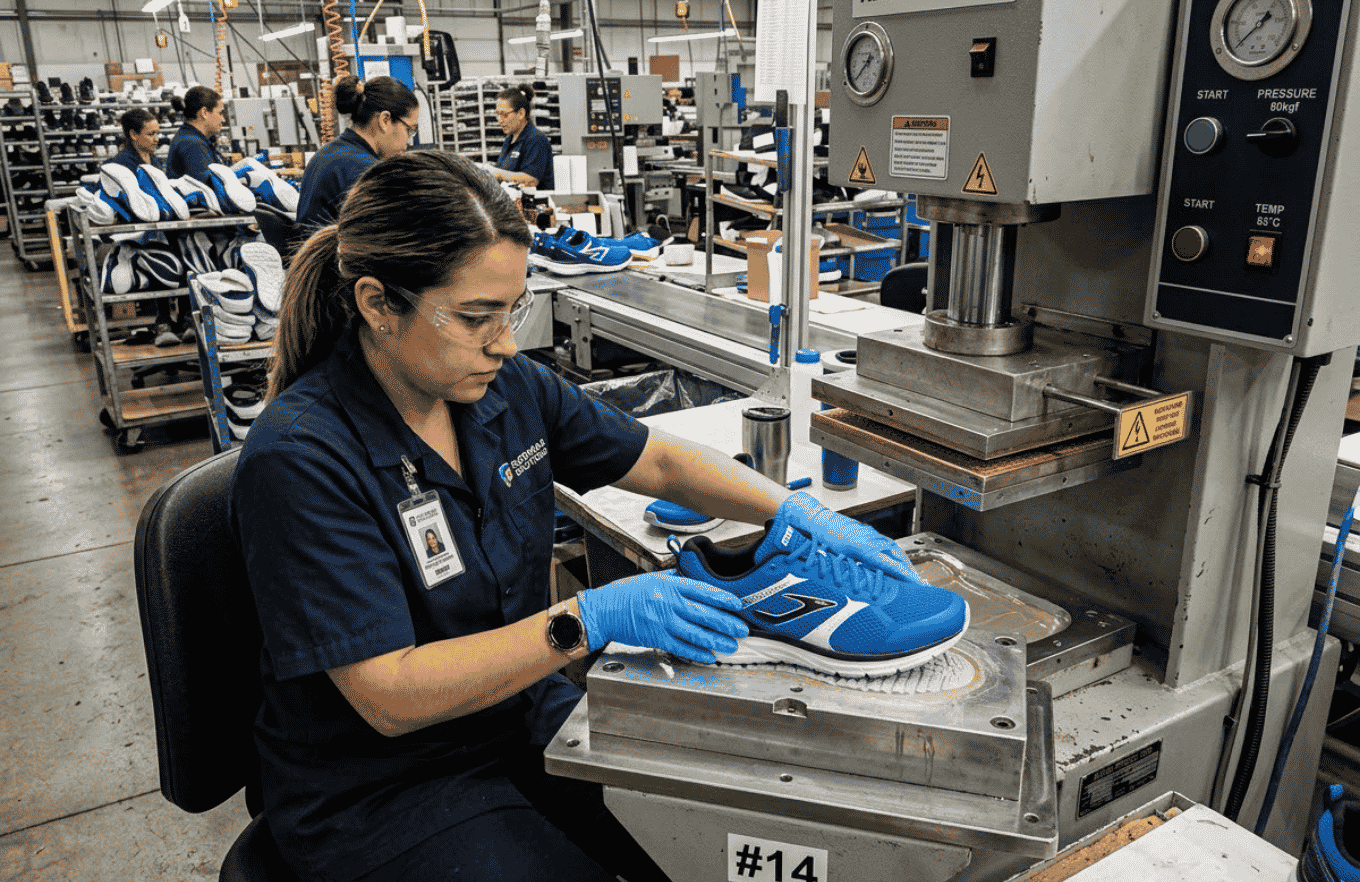
The sole is constantly exposed to pressure, flexing, impact, temperature changes, and repeated movement. A weak bond may therefore become one of the first points of failure.
Profix PU Adhesive is designed specifically for demanding sole bonding and lasting performance. It creates a high-strength bond between shoe uppers and soles, making it suitable for sneakers, formal footwear, sports shoes, and other products exposed to rigorous use.
A good adhesive should not only bond two surfaces initially. It should maintain that bond throughout the expected service life of the footwear.
Profix offers excellent heat resistance, helping maintain bond integrity when footwear encounters elevated temperatures. Its plasticizer resistance is also useful when bonding PVC and synthetic materials where oils and plasticizers can affect adhesive performance.
A technically strong bond is important, but appearance matters too, particularly for premium footwear.
Profix PU Adhesive dries transparent, helping manufacturers achieve a cleaner finish without obvious glue lines or unwanted yellowing. This can be especially valuable when working with high-end shoes where visible adhesive residue can undermine an otherwise polished product.
Samad Adhesive provides solutions designed around practical manufacturing requirements, where appearance and performance need to work together rather than compete.
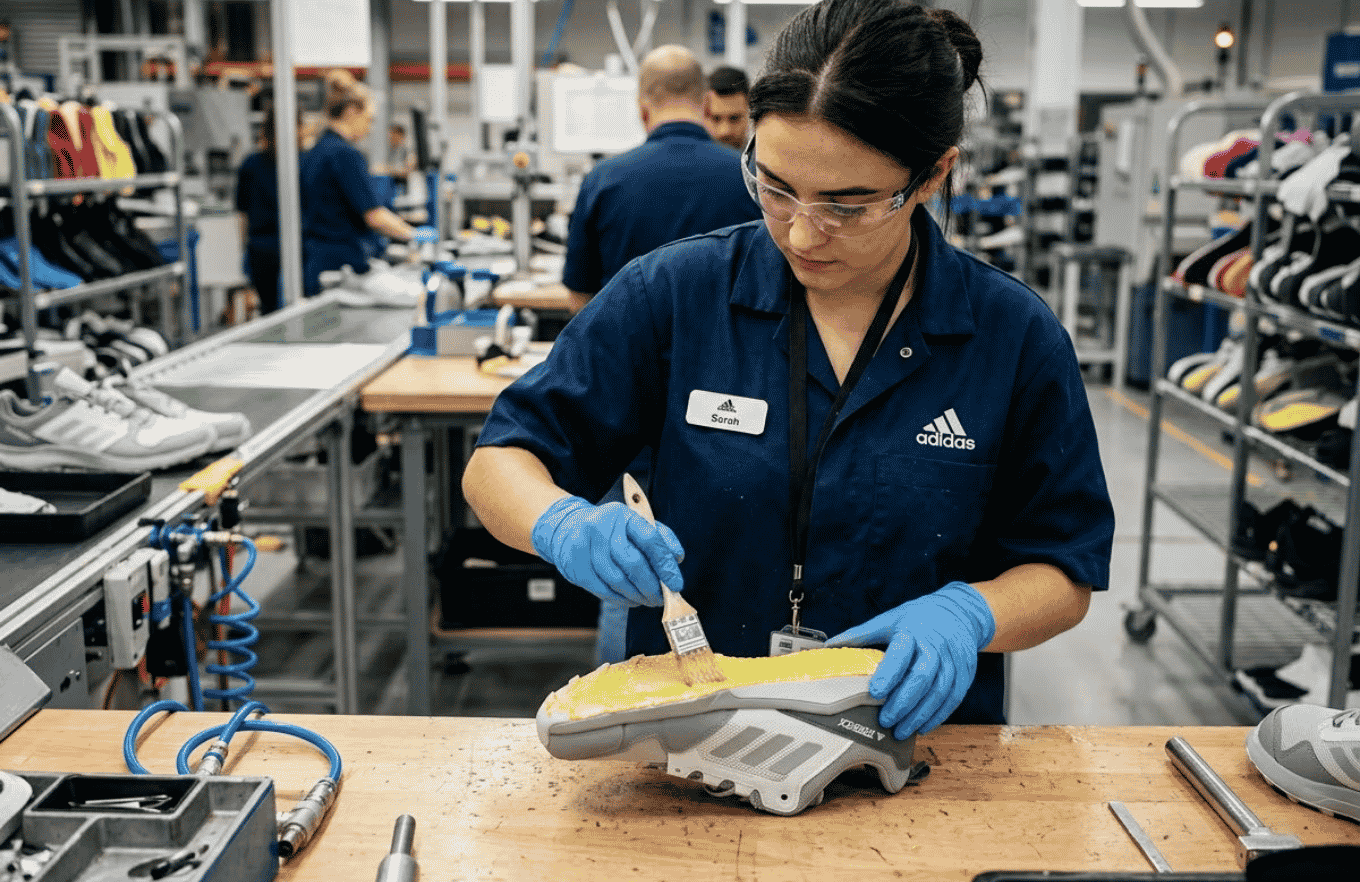
The answer depends partly on how your production line applies adhesive.
For optimal results, surfaces should be properly prepared before bonding. Depending on the materials, priming may be necessary. Adhesive can then be applied to both surfaces, followed by an appropriate tack-drying period and heat activation before pressing.
Even a high-performance adhesive can underperform when application conditions are inconsistent. Uneven adhesive coverage, inadequate surface preparation, incorrect drying time, or insufficient pressing can all affect the final bond.
Therefore, manufacturers should evaluate the complete bonding process rather than judging an adhesive by product specifications alone.
Choosing the right Shoe Glue Supplier is about more than product availability. Manufacturers need dependable supply, consistent adhesive performance, technical guidance, and products suited to their specific materials.
A knowledgeable Shoe Glue Supplier can help manufacturers assess whether their current process is compatible with the adhesive and identify adjustments that may improve bonding results.
Samad Adhesive supports manufacturers with adhesive solutions for different industrial applications, helping production teams approach bonding with greater consistency and confidence.
The versatility of Profix extends beyond footwear. Its strong bonding properties make it suitable for leather goods assembly, including belts, handbags, and wallets where flexibility and peel strength are important.
It can also be used in automotive trimming for bonding synthetic materials and fabrics to interior components. In technical repair applications, its high-strength bonding capability can support work involving rubber and synthetic materials.
This wider usability can be valuable for businesses operating across multiple product categories.
If your production requires strong sole bonding, flexibility, heat resistance, clean appearance, and compatibility with multiple materials, PU adhesive can be a strong option.
However, successful results depend on selecting the correct adhesive and applying it under controlled conditions. Manufacturers should consider their substrates, production volume, equipment, drying requirements, and desired finished-product performance before making a final decision.
Most importantly, the adhesive should support your production goals rather than create additional complexity.
Contact Samad Adhesive today for reliable footwear bonding solutions designed to improve performance, consistency, and long-term production results.
The right adhesive can make a noticeable difference across a footwear production line. From strong sole bonding and heat resistance to a transparent finish and resistance against plasticizers, Profix PU Adhesive offers several characteristics suited to demanding footwear applications.
For manufacturers producing sneakers, formal shoes, sports footwear, and leather goods, selecting a capable Shoe Glue Supplier can be just as important as selecting the adhesive itself. With proper surface preparation, controlled application, tack drying, and heat activation, PU adhesive can provide the dependable bonding performance modern footwear manufacturing demands.
Yes, PU adhesive is suitable for bonding many common sole materials, including TPR, PVC, PU, EVA, natural rubber, and nitrile rubber, when properly applied.
Profix can bond footwear materials including natural leather, synthetic leather, suede, canvas, textiles, foams, and various plastics.
For optimal performance, prepare the surfaces properly, prime them when necessary, apply adhesive to both surfaces, allow tack drying, then heat activate and press the bonded components.


.svg)