A strong footwear bond is not created by tack alone. It is the combination of initial grab, lasting strength, flexibility, heat resistance, surface compatibility, and correct application that determines whether a shoe stays together through everyday wear. For manufacturers, choosing PU adhesive for shoes means looking beyond a product label and examining how the adhesive behaves throughout the production process and after the finished footwear reaches the customer. A high-tack formulation can make assembly easier, but it also needs to maintain bond integrity under repeated flexing and demanding conditions.
In this blog, we will examine the key performance indicators manufacturers should consider when selecting a footwear adhesive and how these factors affect reliable sole bonding.
Initial tack is one of the first characteristics manufacturers notice during footwear assembly. It describes how effectively the adhesive grabs the mating surfaces once they come together.
For production lines, good initial tack can help components remain positioned correctly during pressing and handling. This becomes particularly useful when workers are aligning uppers and soles where movement could create uneven bonding.
A very aggressive initial grab does not automatically mean the final bond will be durable. Manufacturers should consider tack alongside curing behavior, flexibility, peel strength, and substrate compatibility.
Shoe glue suppliers should be able to explain how their adhesive behaves during both application and final bonding rather than focusing on one performance characteristic.
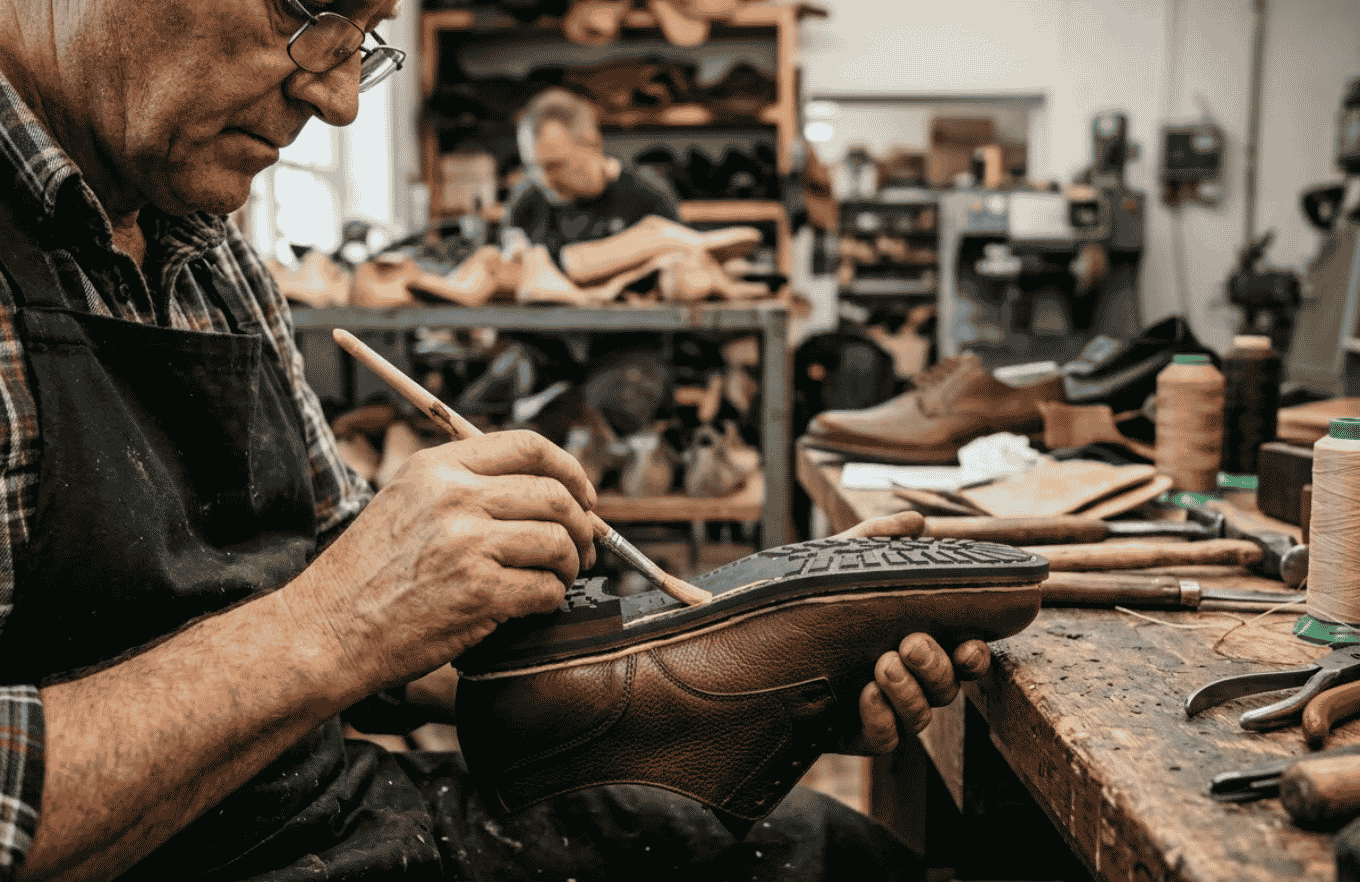
The finished bond needs to withstand the stresses footwear experiences during use. Every step creates movement between the sole and upper, while sports and work footwear can experience even greater mechanical demands.
Profix is designed for high-stress sole bonding in sneakers, formal shoes, and sports footwear. Its formulation is intended to provide strong adhesion between compatible uppers and soles while supporting long-term wear.
For manufacturers, PU adhesive for shoes should therefore be evaluated according to the actual demands placed on the finished footwear rather than simply comparing advertised strength figures.
Shoes bend constantly. A rigid bond that performs well under static conditions may not deliver the same results when subjected to repeated flexing.
A suitable footwear adhesive needs to work with the movement of compatible materials. This is especially important for sports footwear, casual shoes, and other products designed for frequent walking or physical activity.
Profix is suitable for soles made from materials including TPR, PVC, PU, EVA, natural rubber, and nitrile rubber, with compatibility depending on the specific application and preparation process.
Temperature can influence adhesive performance during manufacturing and product use. Footwear may encounter hot environments, while production processes can involve heat activation.
A high-performance formulation should maintain its bonding properties under the temperatures expected during the intended application. Profix offers heat resistance designed to help maintain bond integrity in demanding footwear conditions.
Samad Adhesive provides Profix as a footwear bonding solution where manufacturers require a combination of strength, flexibility, and resistance characteristics.
Certain synthetic materials contain oils or plasticizers that can interfere with adhesive performance over time. This makes chemical compatibility an important consideration when bonding PVC and other synthetic components.
Profix is formulated with plasticizer resistance to help address this challenge. That feature can be particularly relevant when manufacturers work with synthetic soles or uppers where material properties can affect long-term adhesion.
Performance is not only about strength. The finished appearance matters too, especially for premium footwear.
An adhesive that dries transparently can help minimize visible glue lines and maintain a cleaner appearance around the bonded area. Profix is designed to provide a crystal-clear finish without yellowing, supporting applications where visual quality is important.
Shoe glue suppliers should therefore be evaluated on both technical performance and the finish their products can provide.
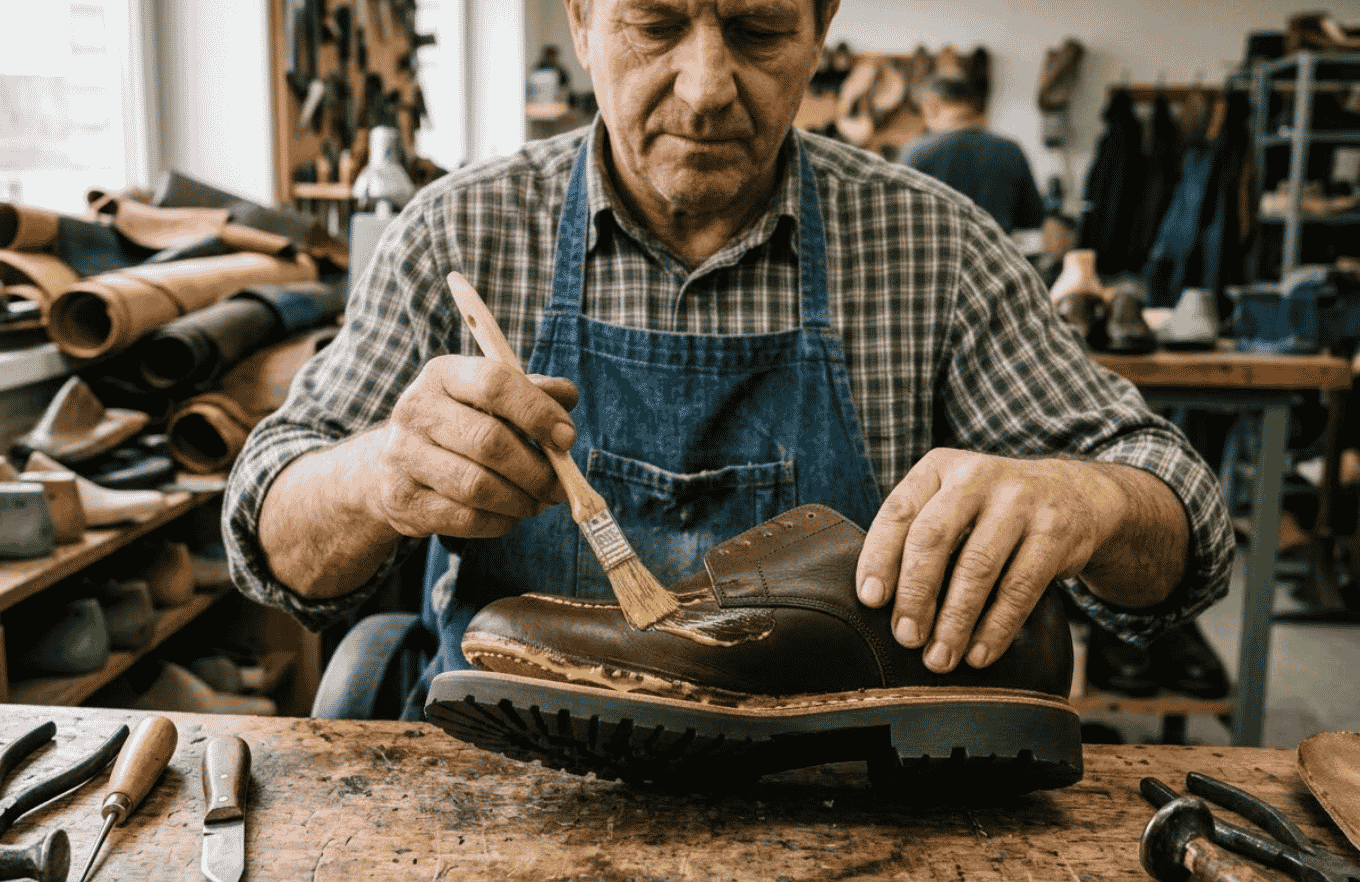
Even an excellent adhesive cannot compensate for poor preparation. Surfaces should be appropriately cleaned and prepared before bonding.
Depending on the materials, priming may be necessary. The recommended process for Profix includes applying adhesive to both surfaces when appropriate, allowing tack-drying, then heat-activating before pressing.
Production workers should follow a consistent application process. Uneven adhesive coverage, insufficient drying time, contamination, or inadequate pressure can all affect the final bond.
Samad Adhesive can help manufacturers assess adhesive requirements according to their materials and production conditions, making application consistency easier to address.
The strongest selection process looks at multiple indicators together. Initial tack, final bond strength, flexibility, heat resistance, plasticizer resistance, appearance, and material compatibility all contribute to overall performance.
Profix PU Adhesive is positioned for footwear and leather applications, while also supporting compatible uses in leather goods, automotive trimming, and technical repairs.
Moreover, manufacturers should assess how the adhesive fits into their existing production process. A product that performs well technically but creates unnecessary production difficulties may not be the most practical choice.
Selecting a high-tack adhesive should never come down to one impressive specification. The real test is how consistently the product performs from application through finished-product use.
A well-selected PU adhesive for shoes should provide the right combination of tack, strength, flexibility, heat resistance, material compatibility, and finish for the intended application.
Samad Adhesive offers Profix for manufacturers looking for a high-performance bonding solution across demanding footwear applications.
Contact Samad Adhesive today for footwear bonding guidance and reliable adhesive solutions matched to your materials and production requirements.
High tack is useful, but it is only one piece of the footwear bonding puzzle. Manufacturers should evaluate the complete performance profile before selecting an adhesive for production.
When initial grip works together with durable bond strength, flexibility, heat resistance, plasticizer resistance, and proper application, manufacturers can build a more consistent bonding process. The right product, combined with disciplined surface preparation and application, can make a meaningful difference in finished footwear quality.
High tack provides strong initial grip, while the overall adhesive should also offer suitable final bond strength, flexibility, heat resistance, and compatibility with the footwear materials.
Suitable formulations can bond compatible materials such as TPR, PVC, PU, EVA, natural rubber, and nitrile rubber, provided the surfaces and application process are appropriate.
Cleaning, preparation, priming when required, correct adhesive coverage, tack-drying, activation, and pressing all influence the quality and consistency of the finished bond.