A furniture return can look like a small problem on paper. In reality, one returned product can trigger a chain of costs involving transportation, inspection, repairs, replacement materials, labor, and customer service. Even worse, repeated returns can damage a brand's reputation. So, where does the solution begin? Surprisingly, it can start with something almost invisible: the adhesive holding the furniture together.
For manufacturers, choosing the right Industrial Adhesive Manufacturer is therefore about much more than purchasing bonding material. Adhesive consistency, substrate compatibility, application behavior, and long-term strength can directly influence the quality of finished furniture. A small weakness in a bonded joint can eventually become a loose panel, separated laminate, damaged edge, or dissatisfied customer. In this blog, we will examine how better adhesive selection can reduce these problems and why the right manufacturing partner matters.
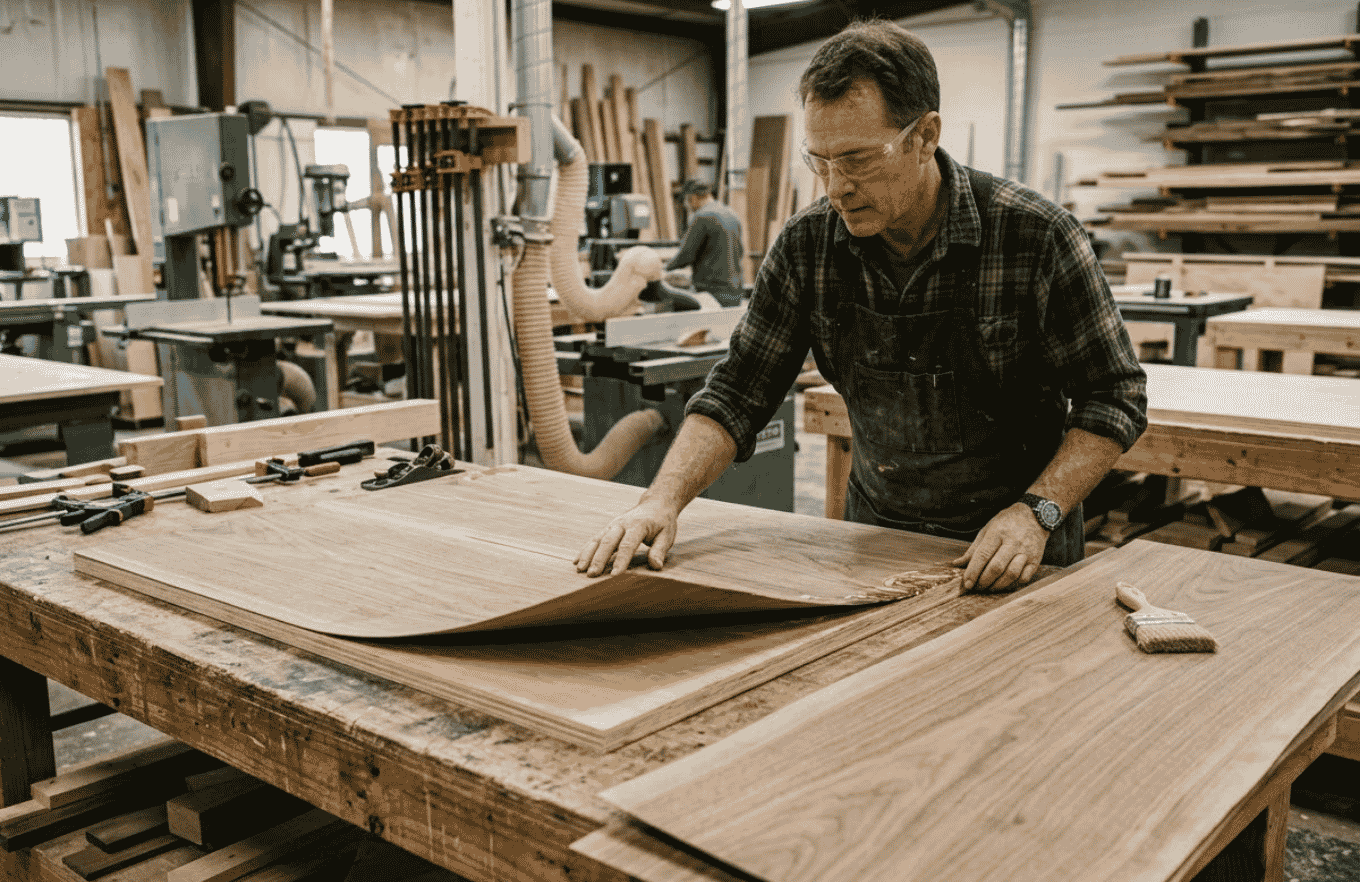
Furniture experiences constant stress after leaving the factory. Chairs are repeatedly used, cabinets are opened and closed, tables carry weight, and decorative surfaces are exposed to changes in temperature and humidity.
If a bonded connection is not strong enough for its intended application, failure may appear weeks or months after purchase. This makes adhesive quality an important part of furniture durability rather than simply a production detail.
A reliable adhesive should provide:
● Strong and consistent bonding
● Suitable flexibility for the application
● Reliable performance across compatible substrates
● Resistance to everyday environmental conditions
● Consistent application during production
A manufacturer that controls these factors can significantly reduce the likelihood of bonding-related defects reaching customers.
Rework is one of the hidden costs of furniture manufacturing. When a panel, laminate, veneer, or component fails during inspection, workers must spend additional time correcting the problem. If the same issue reaches the customer, the cost becomes considerably higher.
An experienced Furniture Adhesive Supplier in Pakistan can help manufacturers select products according to their materials and production processes. Correct adhesive selection reduces the possibility of weak joints, uneven bonding, premature separation, and other avoidable defects.
Using an adhesive that performs differently from batch to batch can create production uncertainty. Workers may need to adjust application quantities, pressure, drying periods, or assembly timing, increasing the possibility of inconsistent results.
This is where Samad Adhesive can become a valuable manufacturing partner. Consistent adhesive solutions allow production teams to establish repeatable application procedures instead of constantly adjusting their process.
Furniture manufacturing involves far more than wood. Modern products can combine MDF, plywood, laminates, veneers, fabrics, foams, plastics, and decorative materials.
Each combination creates its own bonding requirements. An adhesive suitable for one surface may not provide the same performance on another. Manufacturers should therefore evaluate substrate compatibility before selecting a product.
For furniture applications requiring dependable contact bonding, Samad Bond 101 offers polychloroprene-based performance designed for strong adhesion. Its reliable bonding characteristics make it suitable for applications where durability and secure assembly are important.
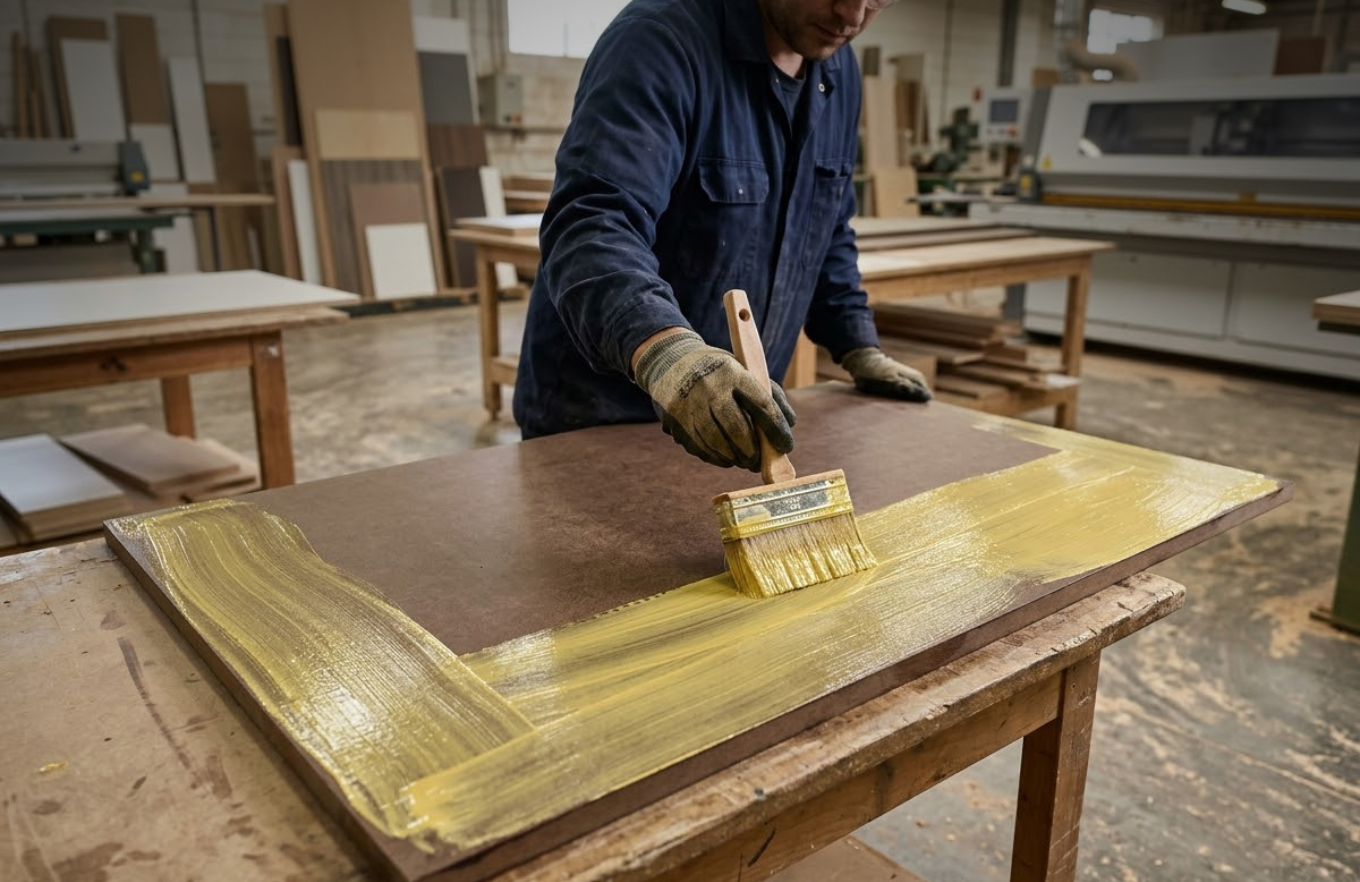
Product selection is only half the equation. Application technique can also determine whether an adhesive performs as intended.
An experienced Furniture Adhesive Supplier in Pakistan can provide practical guidance on surface preparation, adhesive coverage, open time, pressure, and curing requirements. These details may seem minor, but they can make a major difference to final bond performance.
Moreover, technical guidance helps production teams identify the actual cause of bonding failures rather than simply increasing adhesive consumption. This can reduce waste while improving manufacturing consistency.
Reducing returns requires a complete approach rather than relying on adhesive strength alone. Manufacturers should monitor the entire bonding process, from incoming materials to final inspection.
Important areas include:
Surfaces should be clean, suitable for bonding, and prepared consistently. Dust, oils, moisture, or contamination can interfere with adhesion and create premature failures.
Application quantity, drying time, pressure, and assembly timing should remain consistent across production batches. Clear procedures help workers achieve predictable results.
New adhesive-material combinations should be evaluated before being introduced across an entire production line. Testing can identify compatibility issues early, when corrections are less expensive.
A furniture manufacturer may produce an attractive product, but customers ultimately judge it by how well it performs over time. Stronger bonding contributes to that experience by helping furniture retain its structure and appearance during everyday use.
Selecting an Industrial Adhesive Manufacturer with suitable technical knowledge, consistent products, and dependable support can therefore contribute to fewer quality complaints and returns.
Samad Adhesive supports manufacturers by providing adhesive solutions for demanding industrial applications while emphasizing reliable bonding performance.
Furniture returns rarely have one single cause, but preventable bonding failures can become an unnecessary contributor to the problem. Choosing suitable adhesives, standardizing application procedures, testing materials, and working with a dependable supplier can strengthen the entire production process.
For manufacturers aiming to reduce defects and improve customer satisfaction, adhesive selection deserves the same attention as materials, machinery, and quality control. Samad Bond 101 shows how a purpose-built contact adhesive can support dependable furniture bonding when correctly selected and applied.
Connect with Samad Adhesive for dependable furniture bonding solutions designed to strengthen production quality and reduce avoidable product returns.
A reliable supplier can provide consistent adhesive quality, substrate guidance, technical support, and application recommendations that help prevent bonding-related furniture defects.
A local supplier can provide easier product availability, responsive technical support, and solutions suited to the requirements of furniture manufacturers operating in Pakistan.
Samad Bond 101 is a polychloroprene-based contact adhesive designed for strong bonding performance and can support suitable furniture applications when properly selected and applied.

.svg)