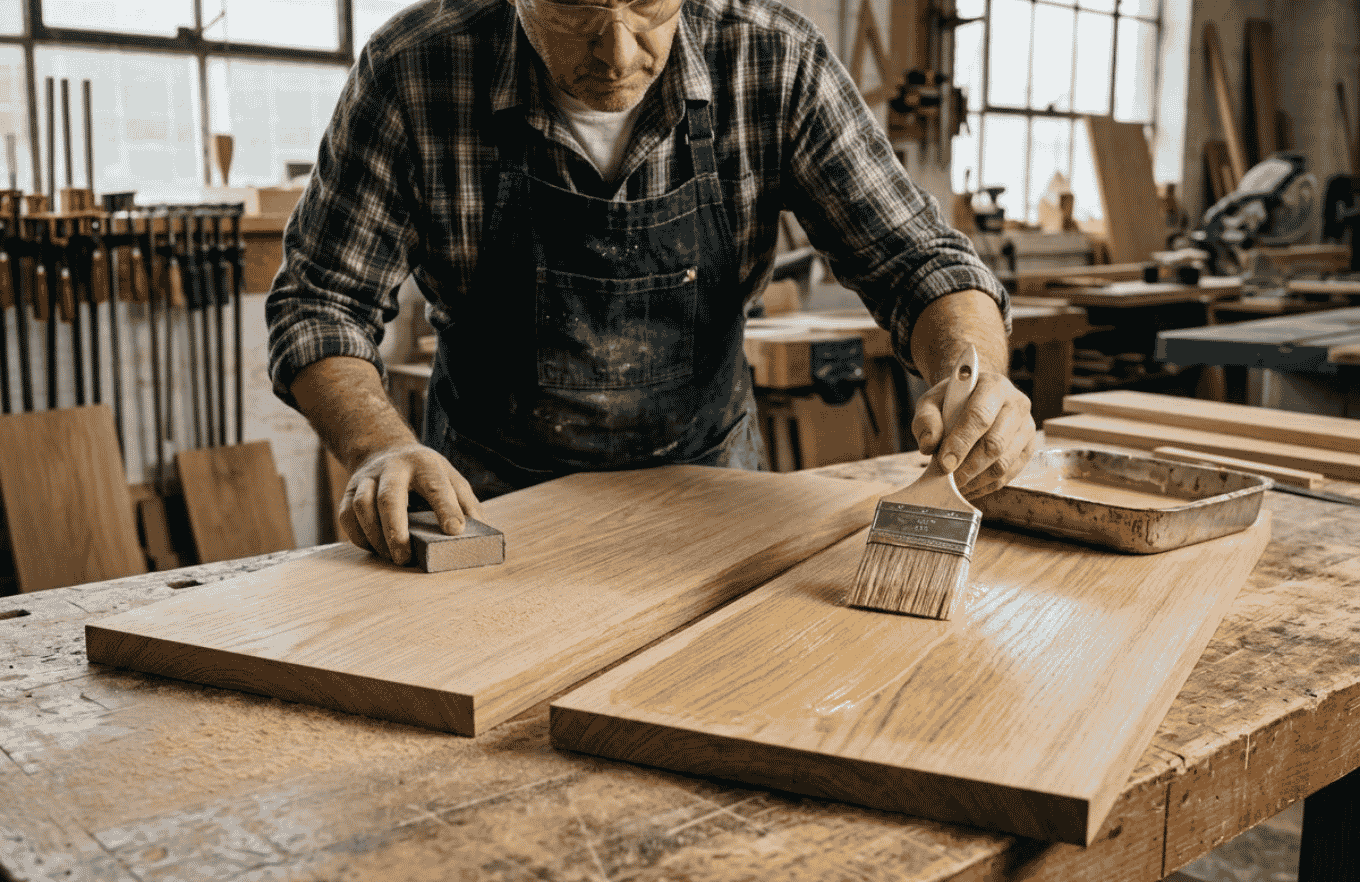
Wood may look straightforward, but every species behaves differently when it comes to bonding. Grain structure, porosity, moisture content, surface texture, and natural oils can all affect how well an adhesive performs. For furniture makers, choosing the right adhesive is therefore just as important as choosing the right wood.
An Industrial Adhesive Manufacturer understands these differences and develops bonding solutions around the material rather than treating every wooden surface the same way. Softwoods, hardwoods, plywood, MDF, and other engineered boards can require different preparation and application approaches. Using the wrong adhesive or applying it incorrectly can lead to weak joints, uneven surfaces, or unnecessary production delays.
The good news is that choosing the right adhesive does not have to be complicated. In this blog, we will look at common wood types, explain their bonding characteristics, and show how products such as Samad Bond Ultra can support demanding furniture applications.
Wood contains natural pores and fibers that influence how an adhesive spreads and penetrates the surface. Highly porous materials can absorb adhesive quickly, while dense woods may provide less surface penetration.
Moisture is another important factor. Wood that contains excessive moisture can interfere with bonding and may contribute to joint movement after assembly. For this reason, furniture manufacturers should consider both the wood type and its condition before selecting an adhesive.
A good Furniture Adhesive Supplier in Pakistan can help manufacturers match adhesive selection with the materials used in their production process.
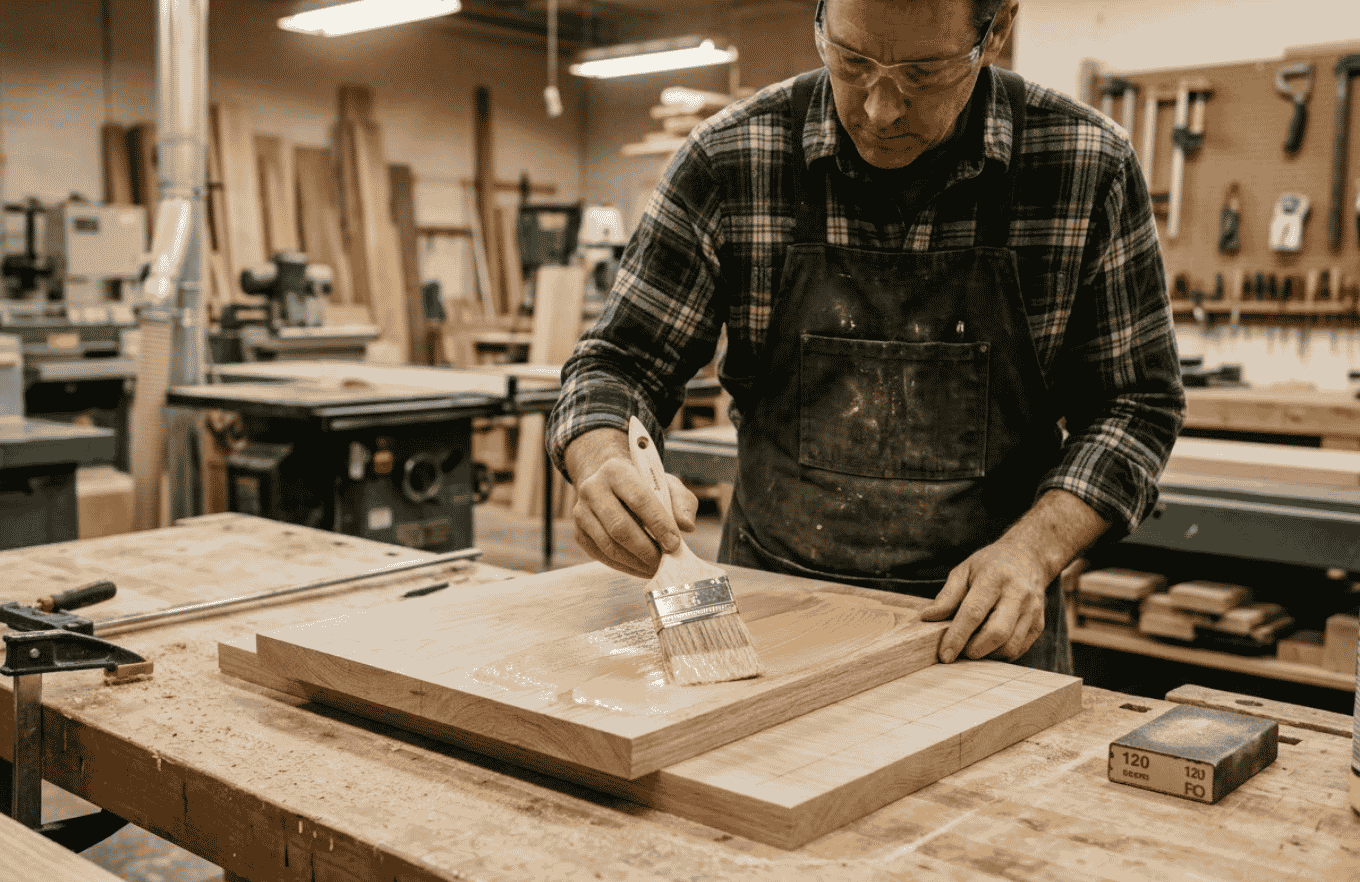
Pine, cedar, and similar softwoods generally have a more open structure than dense hardwoods. Their porous surfaces can absorb adhesive readily, so controlling adhesive quantity is important.
Too little adhesive may leave areas without adequate coverage, while excessive application can increase drying time and create unnecessary cleanup. Consistent surface preparation and controlled application help maintain uniform results.
Oak, maple, beech, and other hardwoods have denser structures. Their tighter grain can make surface preparation particularly important because the adhesive needs sufficient contact with the material.
Light sanding can help remove surface contaminants and improve contact, but excessive sanding may create an uneven surface. Manufacturers should follow the adhesive supplier's recommended preparation method rather than relying on a single approach for every wood species.
Plywood contains multiple layers of wood veneer bonded together, while veneered panels combine a decorative wood layer with a core material. These products are common in furniture because they offer dimensional stability and design flexibility.
However, different layers may react differently during bonding. Uniform adhesive coverage becomes especially important when joining panels, edges, or decorative surfaces.
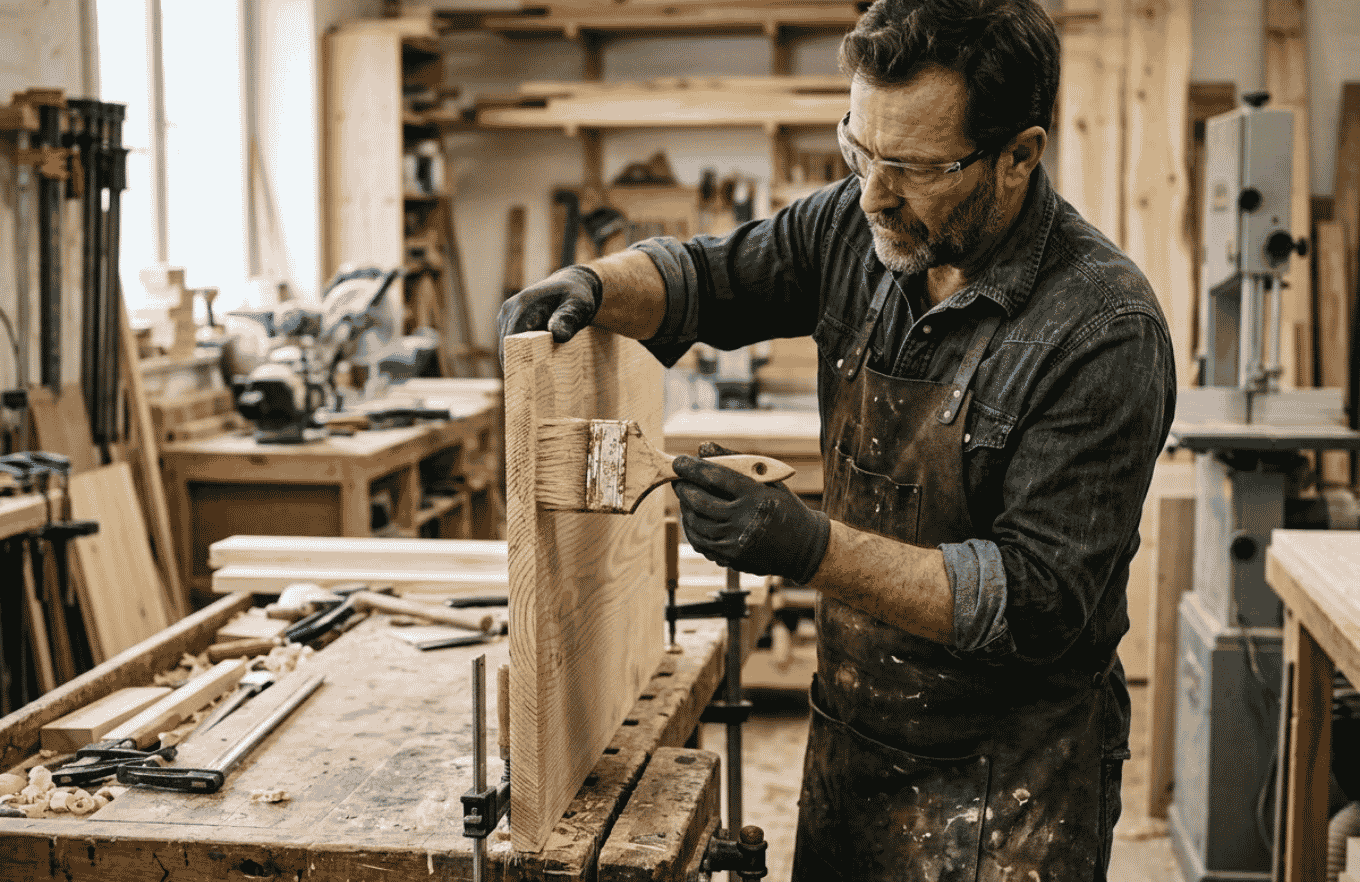
MDF and particleboard are widely used in cabinets, shelving, tables, and other furniture because they provide consistent dimensions and efficient material use. Their surfaces can be relatively smooth, while exposed edges may be considerably more absorbent.
This difference means manufacturers should pay attention to where the adhesive is being applied. Edge bonding and surface bonding may require different application quantities or preparation techniques.
Furthermore, excessive adhesive can increase assembly time without necessarily improving the final joint. The goal is controlled coverage and proper contact pressure.
An Industrial Adhesive Manufacturer does more than supply a product. Adhesive selection can influence assembly speed, joint appearance, material compatibility, and long-term performance.
Samad Bond Ultra is designed as a versatile adhesive for modern manufacturing and is used across furniture, footwear, automotive, and textile applications. For furniture production, its broad application range can be useful when manufacturers work with different materials within the same facility.
A Furniture Adhesive Supplier in Pakistan can also provide practical guidance on application conditions, packaging requirements, and product selection, helping manufacturers avoid unnecessary trial and error.
Even a high-quality adhesive cannot compensate for a poorly prepared surface. Dust, oil, moisture, loose fibers, and other contaminants can interfere with adhesive contact.
Before bonding, surfaces should be clean and suitably dry. Depending on the material and adhesive system, light surface preparation may also be appropriate. Most importantly, manufacturers should maintain consistent preparation procedures across production batches.
Application pressure also matters. Proper pressure helps bring the two surfaces into close contact while the adhesive develops its bond.
Many bonding failures are not caused by the adhesive alone. Incorrect adhesive quantity, unsuitable surfaces, insufficient pressure, or poor storage conditions can all affect results.
For example, applying too much adhesive may extend drying time, while applying too little can produce incomplete coverage. Similarly, rushing the assembly process before the adhesive has reached the appropriate stage can weaken the finished joint.
Working with an Industrial Adhesive Manufacturer can help production teams identify these issues and adjust their application process accordingly.
The right supplier should understand more than the adhesive itself. Furniture manufacturers should consider whether the supplier can provide consistent product availability, technical information, appropriate packaging, and guidance for different applications.
Samad Adhesive offers solutions for several industrial bonding requirements, allowing manufacturers to consider adhesive performance alongside their actual production needs. Consistency matters because changing adhesive characteristics can force manufacturers to repeatedly adjust their application process.
For businesses sourcing locally, a Furniture Adhesive Supplier in Pakistan can also simplify communication and supply planning.
Different wood types bring different bonding challenges, from porous softwoods to dense hardwoods and engineered boards such as MDF and plywood. The right adhesive selection, surface preparation, application method, and assembly conditions all work together to produce a dependable furniture joint.
Samad Adhesive provides bonding solutions designed for industrial applications, while products such as Samad Bond Ultra offer versatility across multiple manufacturing sectors. Choosing the right adhesive should ultimately be based on the material, production method, and performance requirements.
Contact Samad Adhesive for practical adhesive solutions suited to your furniture manufacturing materials and production requirements.
The best adhesive depends on the wood type, surface condition, joint design, and production requirements. Porosity and surface density should be considered before selection.
Some versatile industrial adhesives can be used across multiple wood materials, but application conditions may need adjustment depending on the surface.
Manufacturers can improve bonding by keeping surfaces clean and dry, applying the correct adhesive quantity, maintaining suitable pressure, and following recommended assembly conditions.

.svg)