Cold weather can expose weaknesses that remain hidden during warmer production conditions. Adhesive may behave differently, surfaces can become harder to prepare, and bonding processes may lose consistency when temperatures drop. For footwear manufacturers, these changes can turn a small production adjustment into a noticeable quality issue. Choosing the right PU Adhesive for Shoes is therefore only one part of achieving a strong bond during colder conditions. Application temperature, surface preparation, tack-drying, and heat activation all deserve attention. A good bonding process needs to account for the environment as well as the materials being joined. In this blog, we’ll examine common cold-weather bonding problems, why they happen, and practical ways manufacturers can reduce the risk of sole separation and other adhesive failures.
Temperature can influence how an adhesive behaves during application and bonding. When production areas become colder, drying and activation conditions may change, while materials themselves may respond differently.
This becomes particularly important when bonding footwear soles to uppers made from leather, synthetic leather, suede, canvas, or textiles. Rubber-based and plastic sole materials such as TPR, PVC, PU, EVA, and nitrile rubber can also require careful preparation.
A Shoe Glue Supplier should therefore be able to explain the application conditions needed for consistent bonding instead of focusing only on the adhesive itself.
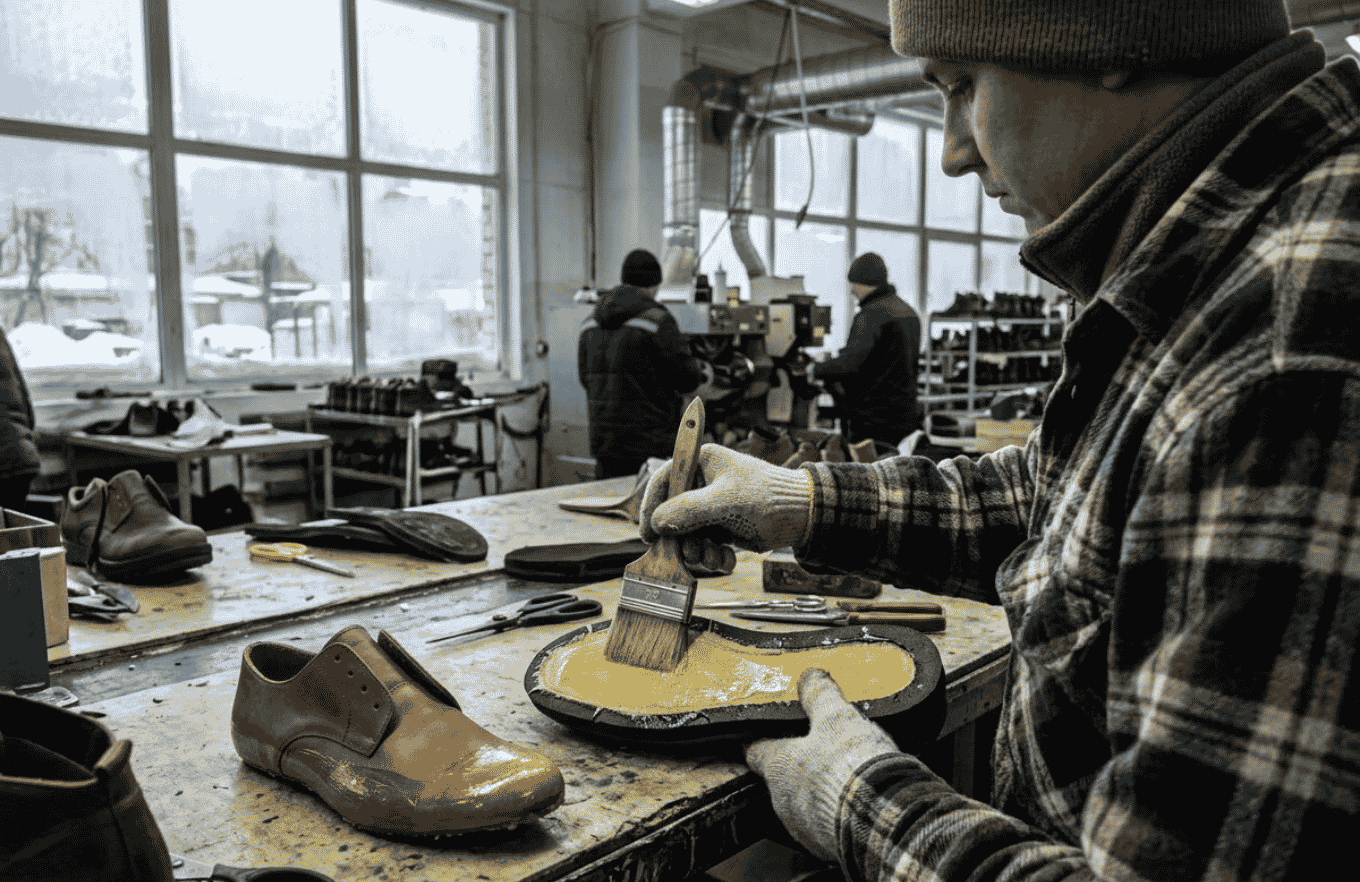
Cold-weather bonding problems do not always begin with the adhesive. Contamination, moisture, dust, oils, or inadequate surface preparation can prevent proper contact between the adhesive and substrate.
Before application, surfaces should be clean and prepared according to the material and bonding process. Where necessary, priming can help prepare the surface for better adhesion.
With Profix PU Adhesive, the recommended process includes priming surfaces where necessary, applying adhesive to both surfaces, allowing tack-drying, and then heat-activating before pressing.
Tack-drying is an important stage because the adhesive needs to reach a suitable condition before the surfaces are joined. Colder surroundings can affect the timing of this stage.
Rushing the process may leave excessive solvent or moisture in the bond area, while waiting too long can affect the adhesive's ability to form the intended bond.
A practical approach is to follow the product's recommended application process and assess the adhesive condition rather than relying entirely on a fixed time.
Heat activation becomes especially important when working in colder production environments. The activation stage helps prepare the adhesive for effective bonding before pressure is applied.
Profix is designed for high-stress footwear bonding and offers heat resistance that helps maintain bond integrity under elevated temperatures. Its application process includes heat activation followed by pressing, making correct process control particularly important.
Samad Adhesive provides Profix for professional footwear and leather-related applications where controlled bonding is required.
A cold-weather failure may also reveal that the adhesive was not ideally suited to the materials being joined. Footwear commonly combines several substrates, each with different surface characteristics.
A suitable PU Adhesive for Shoes should be compatible with the actual sole and upper materials used in production. Profix supports bonding across TPR, PVC, PU, EVA, natural rubber, nitrile rubber, natural leather, synthetic leather, suede, canvas, textiles, foams, and various plastics.
Plasticizer resistance is another useful consideration when working with PVC and synthetic materials, as oils and plasticizers can affect certain bonding systems.
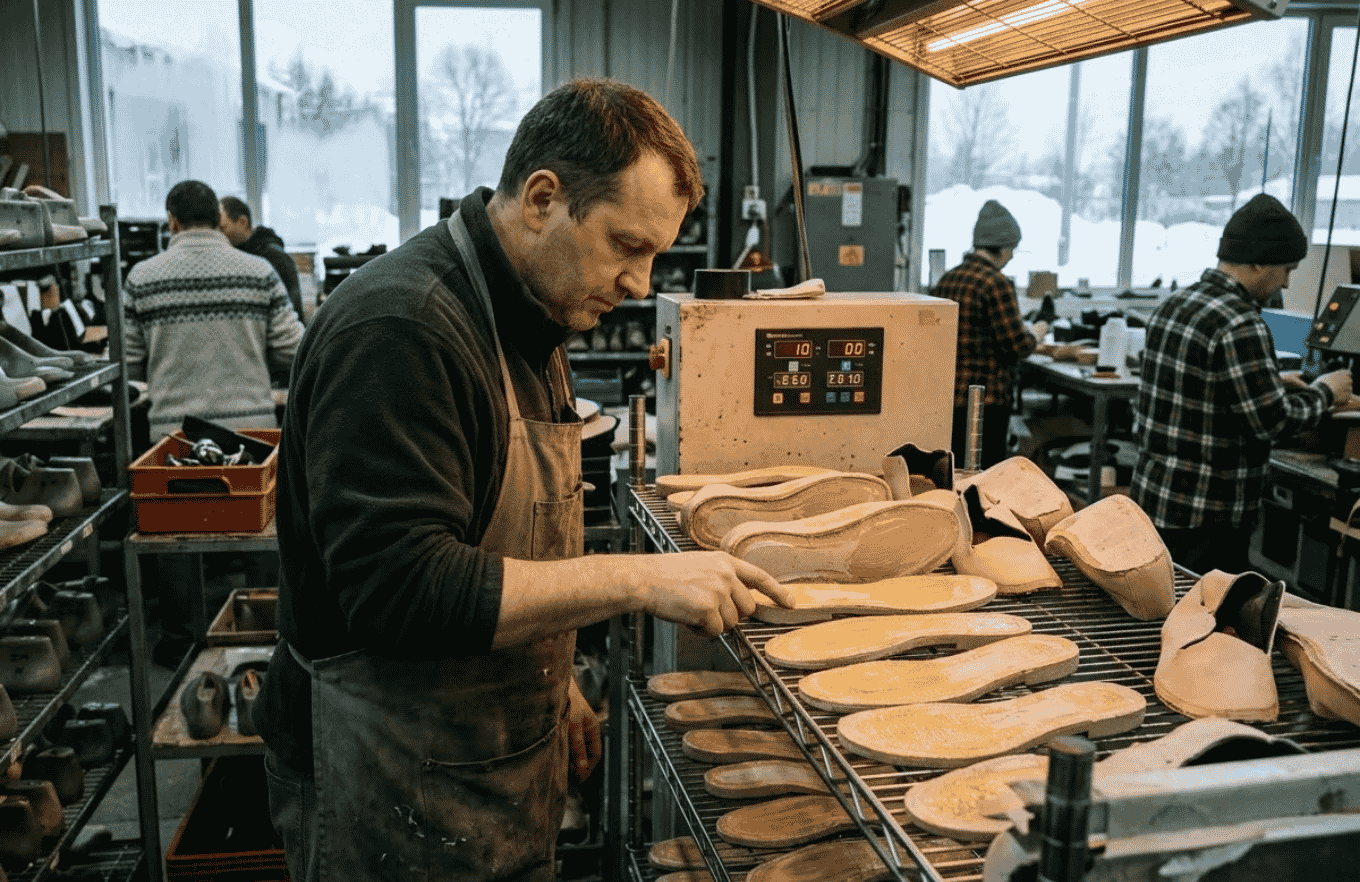
Sometimes the adhesive is not the only variable. Storage conditions, room temperature, surface temperature, equipment settings, and application practices can all influence bonding results.
A Shoe Glue Supplier with practical technical knowledge can help identify whether the issue is related to the product, the process, or the production environment. This prevents manufacturers from changing adhesives when the real problem may be application conditions.
Furthermore, consistent process checks can help identify temperature-related problems before large quantities of footwear move further down the production line.
Cold-weather failures are easier to address when they are caught during production. Regular inspection of bonded areas can reveal lifting edges, incomplete contact, weak adhesion, or inconsistent pressing.
Samad Adhesive's Profix also dries with a crystal-clear finish, helping maintain a clean appearance without visible glue lines or yellowing, which can be valuable for premium footwear.
Most importantly, testing should reflect the actual materials and conditions encountered during production rather than relying only on a basic visual check.
Contact Samad Adhesive today for practical footwear bonding guidance and solutions suited to your materials, production process, and cold-weather challenges.
Cold-weather adhesive failures are rarely caused by temperature alone. They often result from several factors working together, including surface preparation, tack-drying, activation, material compatibility, and production conditions. Addressing each stage gives footwear manufacturers a clearer path toward stronger and more consistent bonding. The right adhesive can provide an important foundation, but the application process still determines much of the final result. By reviewing the complete bonding workflow and responding to environmental changes, manufacturers can reduce preventable sole separation, improve production consistency, and maintain the quality expected from finished footwear throughout demanding seasonal conditions.
Cold conditions can affect drying, activation, surface preparation, and material behavior, potentially leading to weaker or inconsistent bonds if application conditions are not controlled.
Manufacturers should maintain suitable production conditions, prepare surfaces correctly, allow appropriate tack-drying, follow heat-activation requirements, and apply sufficient pressure during bonding.
Profix PU Adhesive is designed for sole bonding and lasting performance, with heat resistance, plasticizer resistance, and compatibility with numerous footwear materials.