Heavy industry leaves little room for weak connections. Machinery, equipment, automotive components, industrial products, and large-scale assemblies often operate under constant pressure, vibration, movement, and changing temperatures. While mechanical fasteners still have their place, adhesive bonding can offer a cleaner and more flexible way to join compatible materials.
This is where Rubber Adhesive for Industrial Use becomes particularly valuable. The right formulation can help create strong bonds while accommodating movement between materials. It can also support smoother production and reduce unnecessary assembly steps. In this blog, we’ll look at seven practical reasons rubber adhesive matters in heavy industry and how manufacturers can make better bonding decisions for demanding applications.
Rubber components rarely remain completely rigid during operation. They can bend, stretch, compress, and move as equipment functions.
An adhesive that can accommodate this movement helps maintain the connection without relying entirely on rigid joining methods. This flexibility is particularly useful where rubber needs to connect with metal, plastics, textiles, or other compatible substrates.
The value of Rubber Adhesive for Industrial Use comes from its ability to support bonding applications where movement is part of normal operation rather than an unexpected problem.
Heavy machinery can generate substantial vibration during regular operation. Rigid connections may transfer those forces directly through the assembly, while an appropriately selected adhesive can provide a bonded interface between compatible materials.
This makes adhesive selection an important engineering consideration. Industrial Adhesive Manufacturers can help businesses assess material combinations and application conditions instead of treating every bonding requirement the same way.
Samad Adhesive develops bonding solutions for industrial applications where strong and lasting adhesion is needed across demanding environments.
Industrial production is always looking for ways to eliminate unnecessary steps. Adhesive bonding can sometimes reduce the need for drilling, screws, rivets, or other mechanical fastening processes.
That can mean fewer holes in components, less visible hardware, and a cleaner finished appearance. Depending on the application, it may also make assembly easier around irregular shapes or difficult-to-reach areas.
Furthermore, an adhesive-based process can distribute bonding across a broader surface instead of concentrating force at individual fastening points.
Heavy industrial products often combine materials with very different characteristics. Rubber may need to bond with metal, synthetic materials, textiles, plastics, or other substrates.
The challenge is not simply finding something that sticks. The adhesive needs to suit both surfaces and the conditions they will experience.
Experienced Industrial Adhesive Manufacturers can help identify suitable formulations based on substrate type, surface condition, flexibility, temperature, and intended use. This approach can reduce trial-and-error during production.
Industrial components may operate for extended periods without convenient access for repairs. A bonding failure can therefore create more than a minor inconvenience.
Properly selected adhesive solutions can help maintain the connection throughout expected operating conditions. Heat, movement, oils, moisture, and repeated stress should all be considered before choosing a product.
Samad Adhesive focuses on bonding solutions designed for applications where long-term adhesion and material compatibility matter.
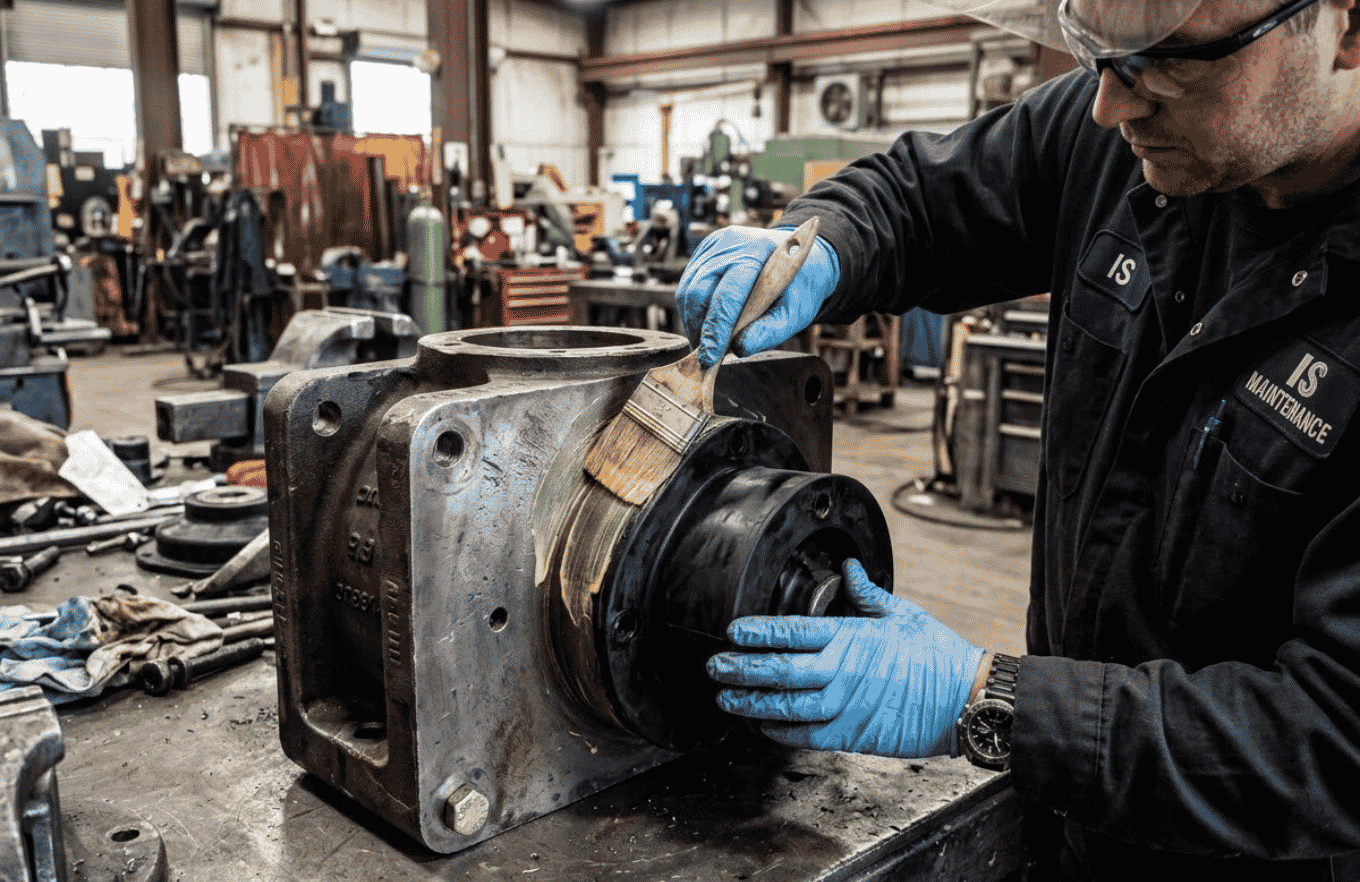
Mechanical fastening often requires drilling, puncturing, or modifying the surfaces being joined. That is not always desirable, particularly when working with flexible or finished materials.
Adhesive bonding can provide an alternative that does not require the same type of physical modification. The result may be a cleaner surface and fewer potential stress points around the connection.
For heavy industry, that can be useful when preserving the structure or appearance of a component is important.
Every manufacturing process has a cost attached to labor, equipment, materials, and time. A well-designed adhesive application can potentially simplify assembly and reduce additional fastening operations.
The key is selecting the right product and applying it correctly. Surface preparation, adhesive coverage, drying conditions, and pressing requirements can all influence the finished bond.
Most importantly, Rubber Adhesive for Industrial Use should be selected according to the actual operating environment rather than simply based on general strength claims. Samad Adhesive can help businesses assess bonding requirements with the application in mind.
Contact Samad Adhesive today to discuss industrial rubber bonding solutions suited to demanding materials, production conditions, and heavy-duty applications.
Rubber bonding has become an important consideration wherever heavy industrial products rely on flexibility, vibration resistance, material compatibility, and efficient assembly. The right adhesive can help manufacturers join dissimilar materials while supporting cleaner production and long-term component performance. However, successful bonding depends on more than adhesive selection alone. Surface preparation, application technique, operating conditions, and substrate compatibility all deserve attention. By evaluating these factors together, manufacturers can build bonding processes that support demanding industrial environments while avoiding unnecessary complexity and costly production issues.
It can help bond flexible rubber components with compatible materials while accommodating movement, vibration, and demanding operating conditions.
They can provide product guidance based on substrates, operating temperatures, flexibility, surface preparation, and the specific requirements of an industrial application.
In some compatible applications, adhesive bonding can reduce or complement mechanical fastening, but the appropriate joining method depends on the materials, load, and operating conditions involved.