Choosing the right bonding method can have a direct impact on manufacturing costs, production efficiency, and product performance. While mechanical fasteners such as screws, bolts, and rivets remain widely used, Rubber Adhesive for Industrial Use offers an effective alternative for applications that require flexible, continuous, and reliable bonding. By reducing the need for drilling, hardware, and certain finishing processes, adhesive bonding may help manufacturers streamline assembly and manage overall production costs more effectively. In this blog, we will compare rubber adhesive with mechanical fasteners across labor, equipment requirements, flexibility, durability, maintenance, and long-term value to help manufacturers determine which bonding solution best fits their specific production needs.
A common mistake is to compare the upfront price of adhesive with the cost of screws, bolts, rivets, or other fasteners and stop there. That does not show the complete picture.
Mechanical fastening can involve drilling equipment, bits, fastener storage, installation labor, and additional finishing. Depending on the product, manufacturers may also need to cover holes, smooth surfaces, or conceal visible hardware.
Adhesive bonding has its own requirements, including surface preparation, application equipment, appropriate working conditions, and process control. The better comparison is therefore the total cost per finished assembly, rather than the price of the bonding material alone.
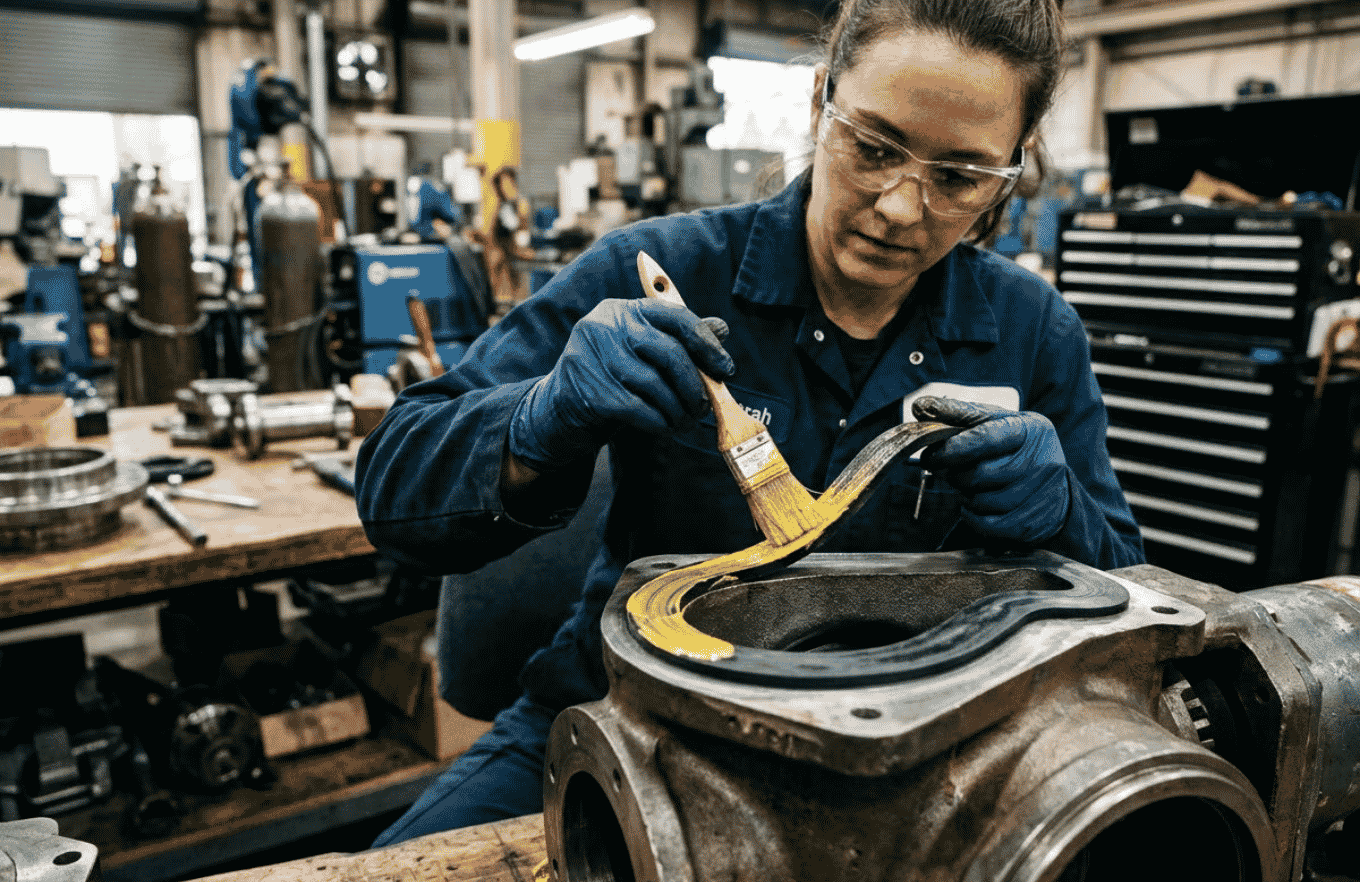
One of the strongest advantages of adhesive bonding is the potential to simplify certain assembly operations. A mechanical fastener generally requires a physical hole or attachment point, followed by installation.
With a suitable adhesive, compatible components can be joined across a larger contact area without creating fastening holes.
For suitable applications, reducing drilling and individual fastening steps can shorten assembly time. This becomes particularly meaningful in high-volume production, where seconds saved per unit can translate into substantial productivity gains.
Industrial adhesive manufacturers can also help manufacturers select products based on the materials, production conditions, and required bond performance rather than treating every application identically.
Rubber and flexible materials can move, bend, expand, or contract during use. Rigid mechanical fastening may concentrate stress around specific points, depending on the design.
A properly selected adhesive can distribute bonding across a broader area and accommodate some movement between compatible substrates. This can be useful in applications involving rubber components, flexible materials, textiles, foams, and certain plastics.
The value here is not simply technical. If better bonding reduces premature failures, repairs, or rejected products, manufacturers may benefit from lower costs over the product's service life.
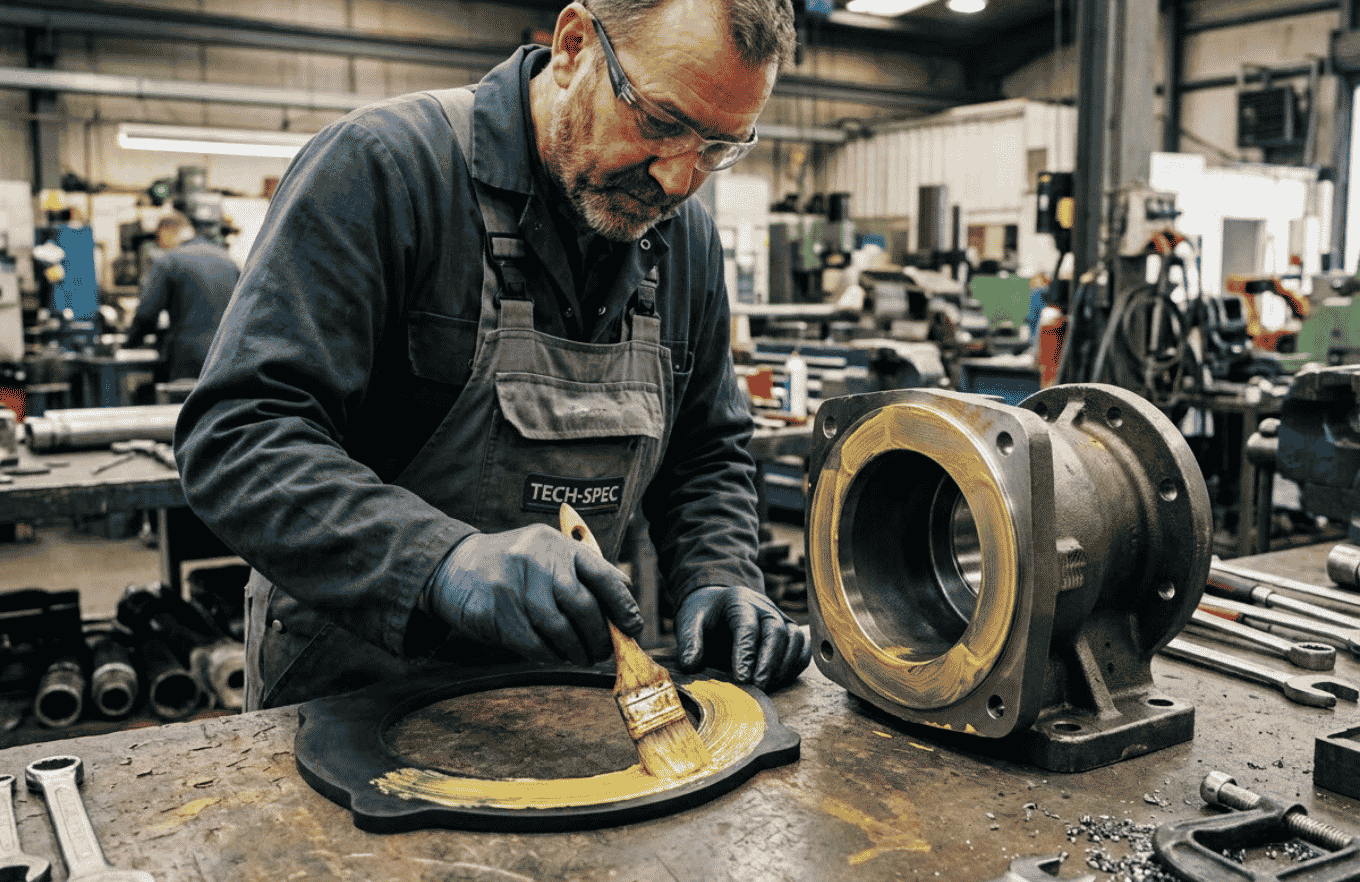
Mechanical fasteners require appropriate installation tools and processes. Depending on the fastening method, this may include drills, presses, drivers, rivet tools, or specialized machinery.
Adhesive application may require different equipment, but many bonding processes can be integrated into existing production workflows.
Manufacturers should evaluate how each method fits into the actual production line. An adhesive that requires long curing periods may create bottlenecks, while a fast-setting formulation may support a more efficient workflow.
Samad Adhesive provides industrial bonding solutions for applications where reliable adhesion and production efficiency are important considerations.
A low-cost assembly method is not necessarily economical if it produces frequent failures.
Mechanical fasteners can loosen, corrode, or require periodic inspection depending on the environment and design. Adhesive bonds can also fail when the wrong formulation is selected or when surfaces are poorly prepared.
This is why Industrial Adhesive Manufacturers should be evaluated on more than product availability. Technical understanding, application guidance, material compatibility, and consistent product quality can all influence the actual return on investment.
Rubber adhesive for industrial use can be particularly attractive when manufacturers need continuous bonding, a clean appearance, flexibility, or attachment between materials that are difficult to fasten mechanically.
It can also eliminate some secondary operations associated with holes, exposed hardware, and finishing. Furthermore, when the adhesive process is properly integrated into production, manufacturers may gain improvements in consistency and workflow.
However, adhesive is not automatically the cheaper option. Applications involving extreme loads, easy disassembly, or substrates unsuitable for bonding may still favor mechanical fastening.
A useful cost-benefit assessment should consider the complete production process.
Manufacturers should compare material costs, installation labor, equipment requirements, preparation time, production speed, finishing requirements, expected failure rates, maintenance needs, and product life.
For example, a fastener may have a low unit cost but require several production steps. An adhesive may have a higher material cost but eliminate drilling and visible hardware. The better option is the one that produces the desired performance at the lowest overall cost.
Samad Adhesive can be part of this evaluation when manufacturers are considering adhesive-based alternatives for suitable industrial applications.
Cost efficiency is not about choosing the cheapest bonding material. It is about choosing the process that delivers reliable performance with sensible production costs.
Rubber adhesive for industrial use can provide meaningful advantages where flexible, continuous, and clean bonding is required. Mechanical fasteners remain important where structural requirements or service conditions demand them.
Samad Adhesive encourages manufacturers to evaluate bonding requirements based on materials, production processes, and expected performance rather than relying on price alone.
Contact Samad Adhesive today for practical industrial bonding guidance tailored to your materials, production requirements, and performance goals.
The choice between adhesive bonding and mechanical fastening should be made through a complete cost-benefit analysis. Material price is only one piece of the puzzle.
For suitable rubber applications, adhesive bonding can reduce certain labor and finishing requirements while providing flexible, continuous contact. Mechanical fastening can remain the better choice in applications requiring specific structural or removable connections.
The smartest approach is to assess the entire production cycle, from installation to long-term performance, before selecting a bonding method.
Not necessarily. A more useful comparison considers material cost, labor, equipment, preparation, finishing, production speed, maintenance, and failure rates.
It can replace mechanical fasteners in some compatible applications, but suitability depends on the substrates, load requirements, environment, and product design.
They can recommend suitable adhesive formulations and application processes that may improve production efficiency, reduce rework, and support consistent bonding performance.

.svg)