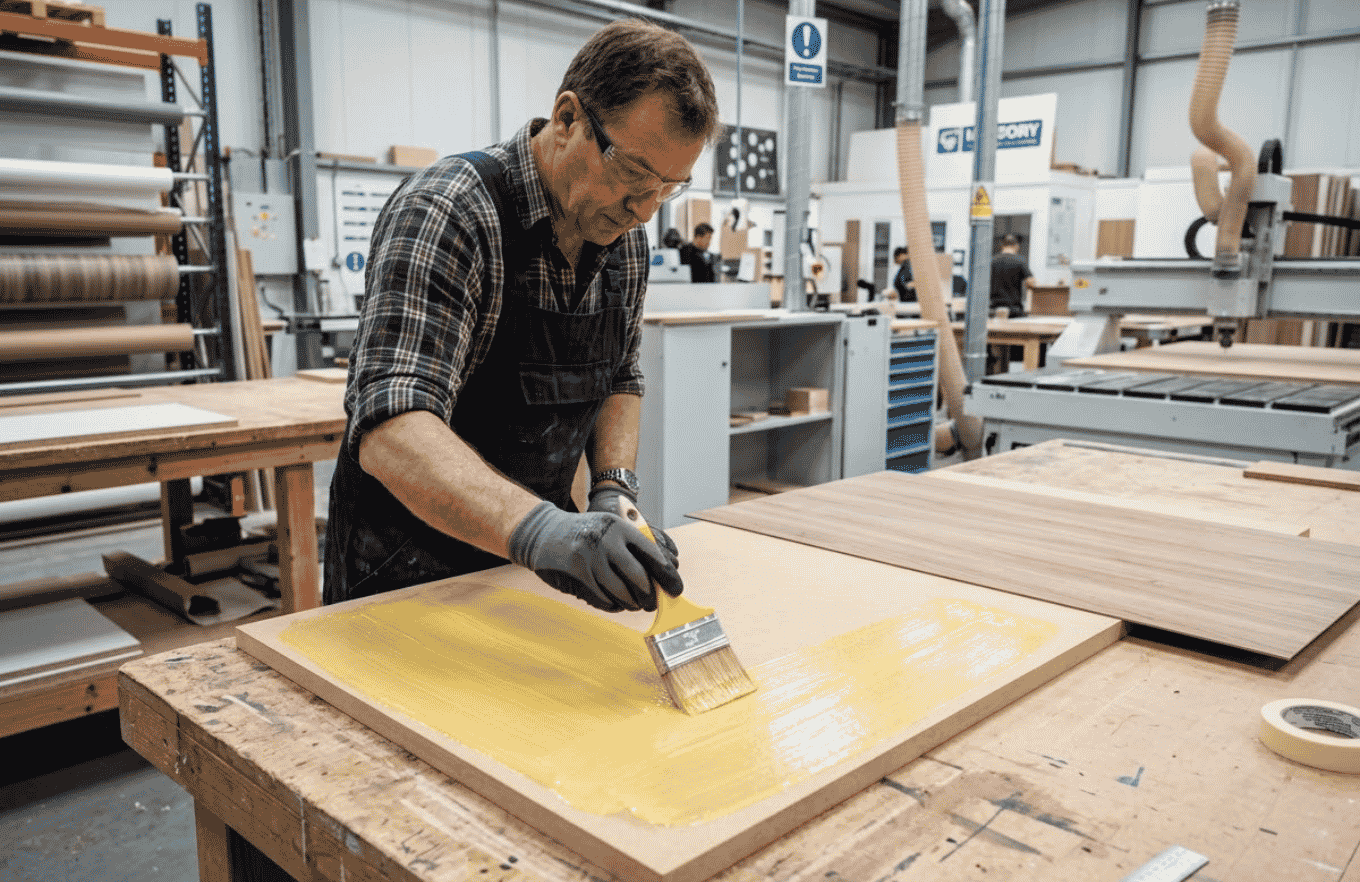
Furniture production can look straightforward until a bonded surface starts lifting, bubbling, or separating at the edges. A strong adhesive is not simply about making two materials stick together. It affects finishing quality, production speed, durability, and ultimately how the finished furniture performs.
When manufacturers choose the right contact adhesive for furniture, they can address several common problems before they become costly production issues. The adhesive needs to match the materials, application method, working conditions, and required bond strength. This is where choosing a reliable adhesive solution becomes particularly important. In this blog, we will look at five common application problems and how a premium adhesive can help furniture makers handle them more effectively.
Furniture often combines wood, laminates, leather, synthetic materials, fabrics, and other surfaces. These materials do not always bond equally well, especially when the adhesive is not designed for the specific application.
A premium contact adhesive for furniture provides a stronger and more dependable bond when applied correctly. The adhesive can help create a consistent connection across compatible surfaces, reducing the chances of lifting or separation during regular use.
For manufacturers, this means fewer bonding failures and greater confidence in the finished product. Samad Adhesive solutions can be considered when consistent bonding performance is important across different furniture applications.
Few things make finished furniture look less professional than an edge that begins to lift. This issue can appear around laminate sheets, decorative surfaces, upholstery materials, and other bonded components.
The problem is not always the adhesive itself. Poor surface preparation, uneven application, insufficient drying time, or incorrect pressing can all weaken the final bond.
A professional Industrial Adhesive Manufacturer understands that adhesive performance depends on both product selection and application conditions. Furniture makers should therefore follow the recommended application process and ensure surfaces are clean, dry, and properly prepared before bonding.
Samad Bond 101, for example, is a polychloroprene-based contact adhesive designed for strong bonding applications. Its use should always follow the manufacturer's recommended handling and application requirements.
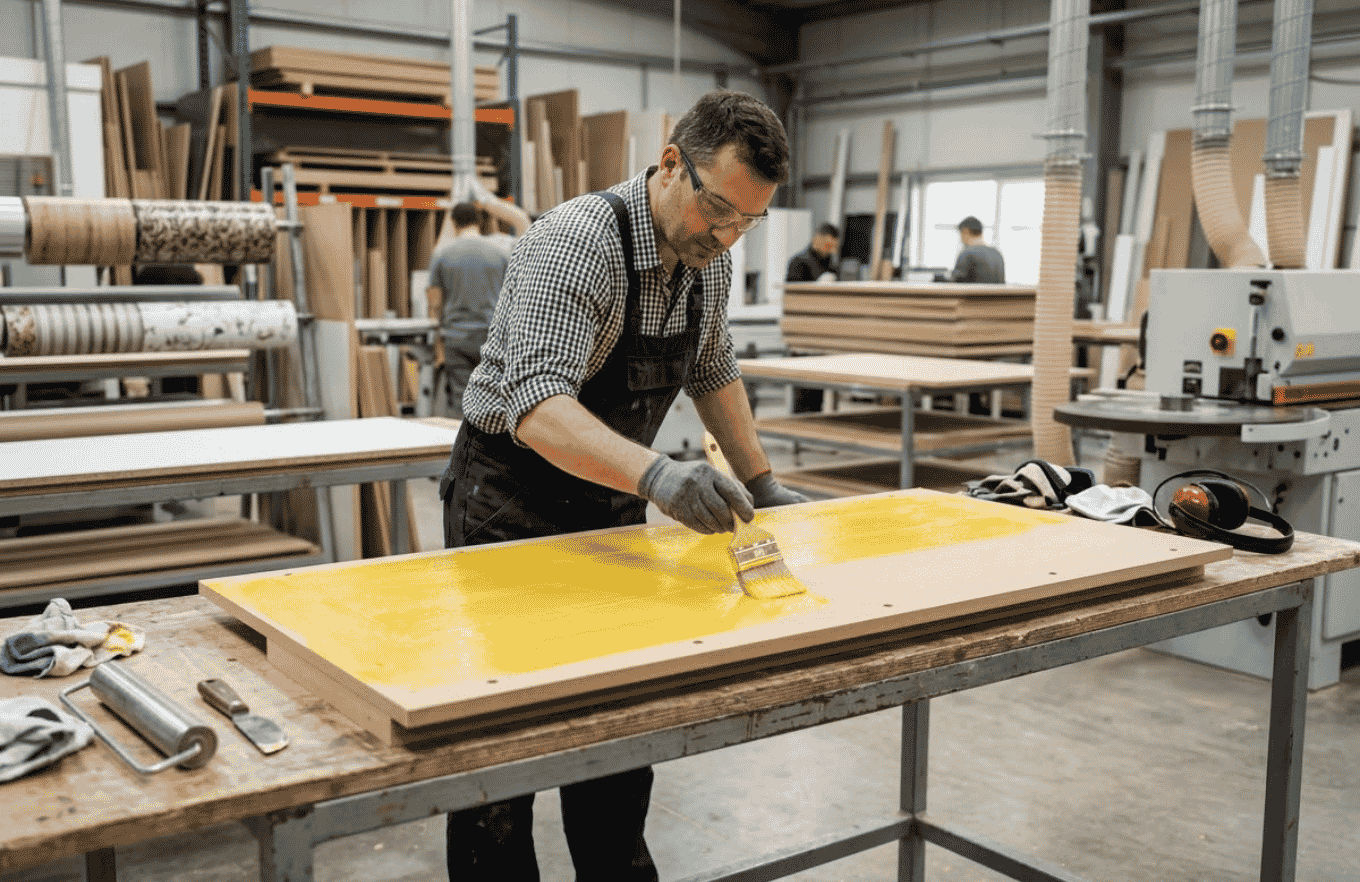
Furniture requires more than strength. Appearance matters too. Excess adhesive, uneven spreading, or poor application technique can leave visible glue marks that affect the final finish.
Premium adhesives can help manufacturers achieve cleaner results when the correct quantity and application method are used. Applying too much adhesive does not necessarily create a stronger bond. In fact, excessive adhesive can increase drying time and create finishing problems.
Furthermore, controlled application helps improve material usage and reduce unnecessary adhesive waste. This becomes especially valuable for manufacturers handling large production volumes.
Furniture is exposed to repeated movement, pressure, temperature changes, and regular handling. A bond that looks strong immediately after production may still fail if the adhesive is unsuitable for the application.
A reliable adhesive should be selected according to the materials being joined and the conditions the finished furniture will experience. A professional Industrial Adhesive Manufacturer can help manufacturers evaluate these requirements instead of relying solely on price or general-purpose products.
Samad Adhesive products can be incorporated into furniture bonding applications where the adhesive specification matches the materials and production process. Most importantly, manufacturers should test the adhesive on their actual substrates before moving into full-scale production.
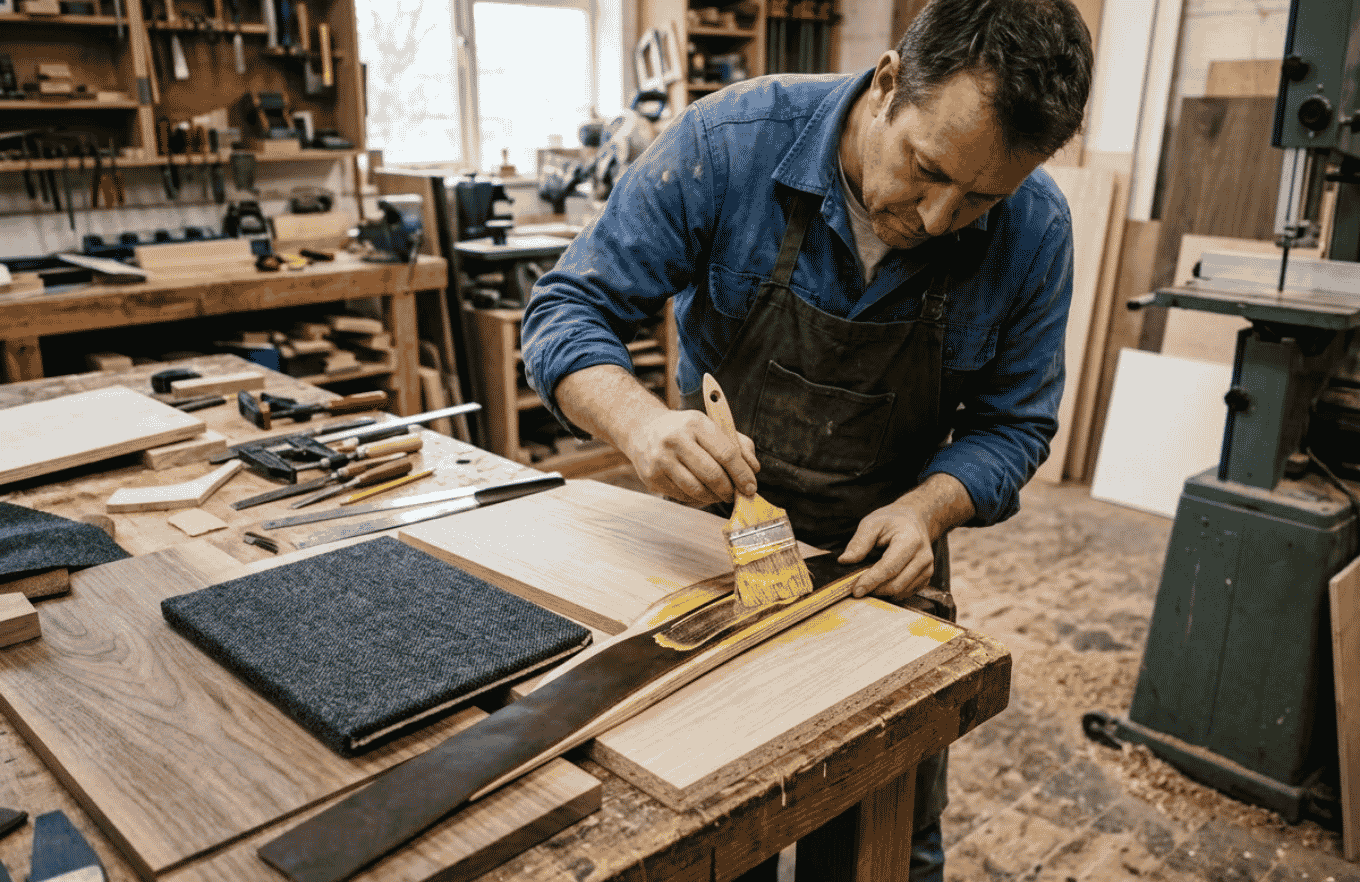
Consistency is one of the biggest concerns in furniture manufacturing. If one batch bonds perfectly while another develops weak areas, production teams may face rework, delays, material waste, and customer complaints.
A dependable adhesive system can contribute to more predictable production when storage, surface preparation, application quantity, drying conditions, and pressing are properly controlled.
The goal should not simply be choosing a strong adhesive. It should be creating a repeatable bonding process. Staff should understand how much adhesive to apply, how surfaces should be prepared, and how long the materials should remain under the required conditions.
Samad Bond 101 can be relevant for furniture applications where a polychloroprene contact adhesive is suitable. However, product compatibility and production testing should always guide the final selection.
The adhesive supplier can influence much more than product availability. A dependable supplier should provide consistent product quality, useful technical information, and guidance that helps manufacturers select suitable adhesive solutions.
A capable Industrial Adhesive Manufacturer can also help identify whether a bonding issue comes from the adhesive, substrate preparation, application technique, or production conditions. This approach can save manufacturers from changing products unnecessarily when the real problem lies elsewhere.
For furniture manufacturers, that support can make the difference between repeatedly correcting bonding problems and building a stable production process.
Bonding problems such as weak adhesion, edge lifting, visible glue lines, premature failure, and inconsistent production can quickly become expensive. Choosing a suitable adhesive and applying it correctly gives furniture manufacturers a stronger foundation for reliable production.
A premium contact adhesive for furniture is therefore not simply another production material. When properly selected and applied, it can support better finishing, stronger bonds, reduced waste, and more consistent results.
Contact Samad Adhesive today for reliable adhesive solutions tailored to your furniture manufacturing and bonding requirements.
The best adhesive depends on the materials, bonding method, production conditions, and required performance. Manufacturers should test compatibility before large-scale use.
Clean and properly prepared surfaces, correct adhesive quantity, suitable drying conditions, and consistent pressing can help reduce bonding failures.
A professional supplier can provide suitable adhesive options, application guidance, product consistency, and technical support for specific furniture bonding requirements.

.svg)