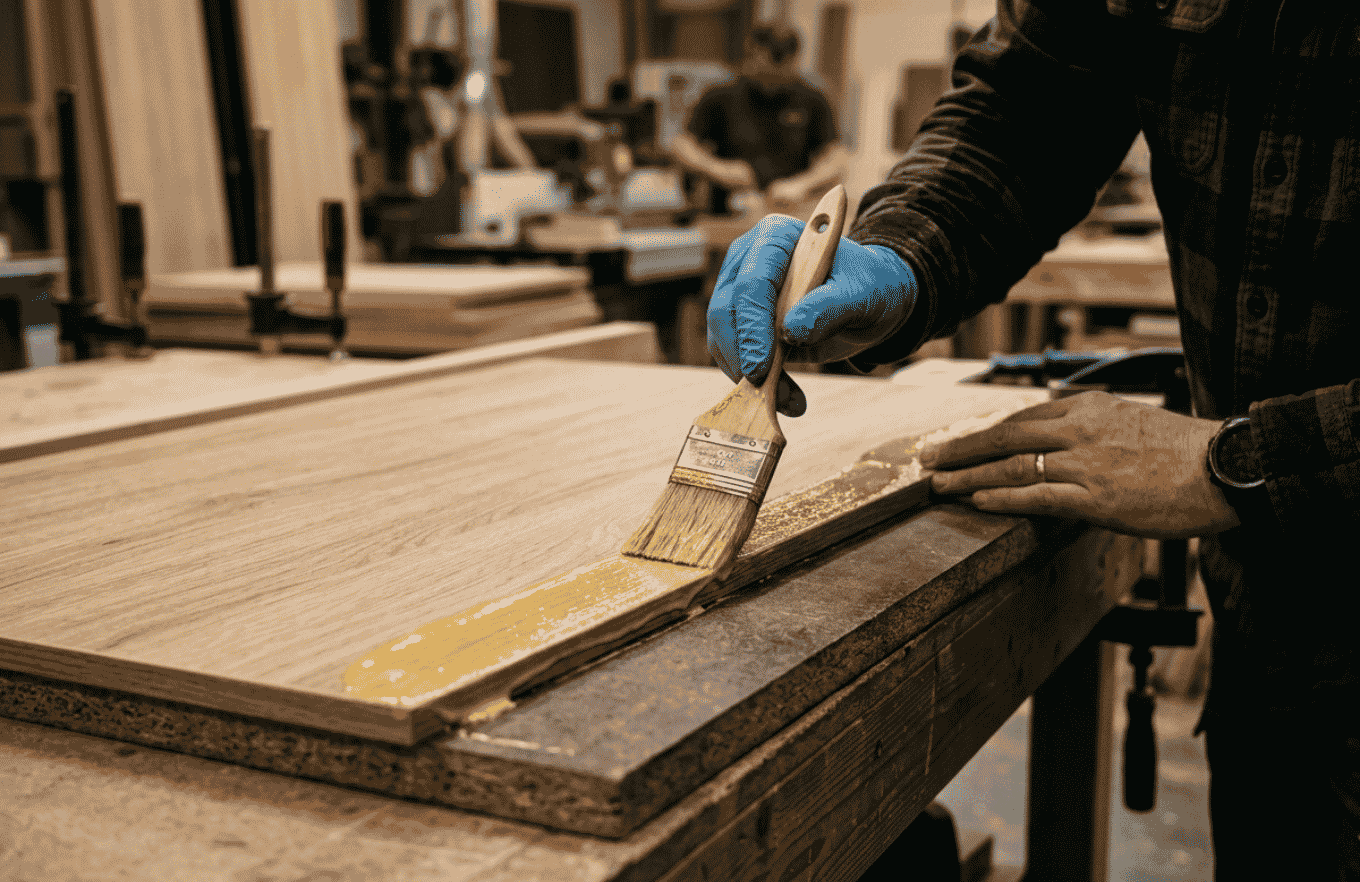
The demand for high-performance bonding solutions is rising fast across the furniture sector. Modern manufacturers are no longer just looking for basic sticking strength; they want reliability, consistency, and long-term durability that supports mass production without failure. This is exactly where an industrial adhesive manufacturer plays a critical role.
In today’s competitive environment, even a small bonding defect can lead to large-scale product rejection, brand damage, and financial loss. That’s why furniture brands carefully evaluate their adhesive partners before making long-term commitments. The expectations go far beyond product quality alone.
In this blog, we are going to break down what furniture brands actually look for, how adhesive performance is judged in real production environments, and why choosing the right supplier directly impacts product reputation and market success.
Furniture production involves multiple surfaces like wood, laminates, foam, metal, and synthetic fabrics. A reliable industrial adhesive manufacturer must ensure that their products perform consistently across all these materials.
Furniture brands expect adhesives that:
Adhesives must maintain bonding strength even when furniture is exposed to daily stress, weight load, or movement.
Modern furniture is no longer single-material-based. A single product may require wood-to-metal or fabric-to-foam bonding.
This is where products like Samad Bond Ultra are often referenced in the industry due to their versatile bonding capability and strong hold across different surfaces.
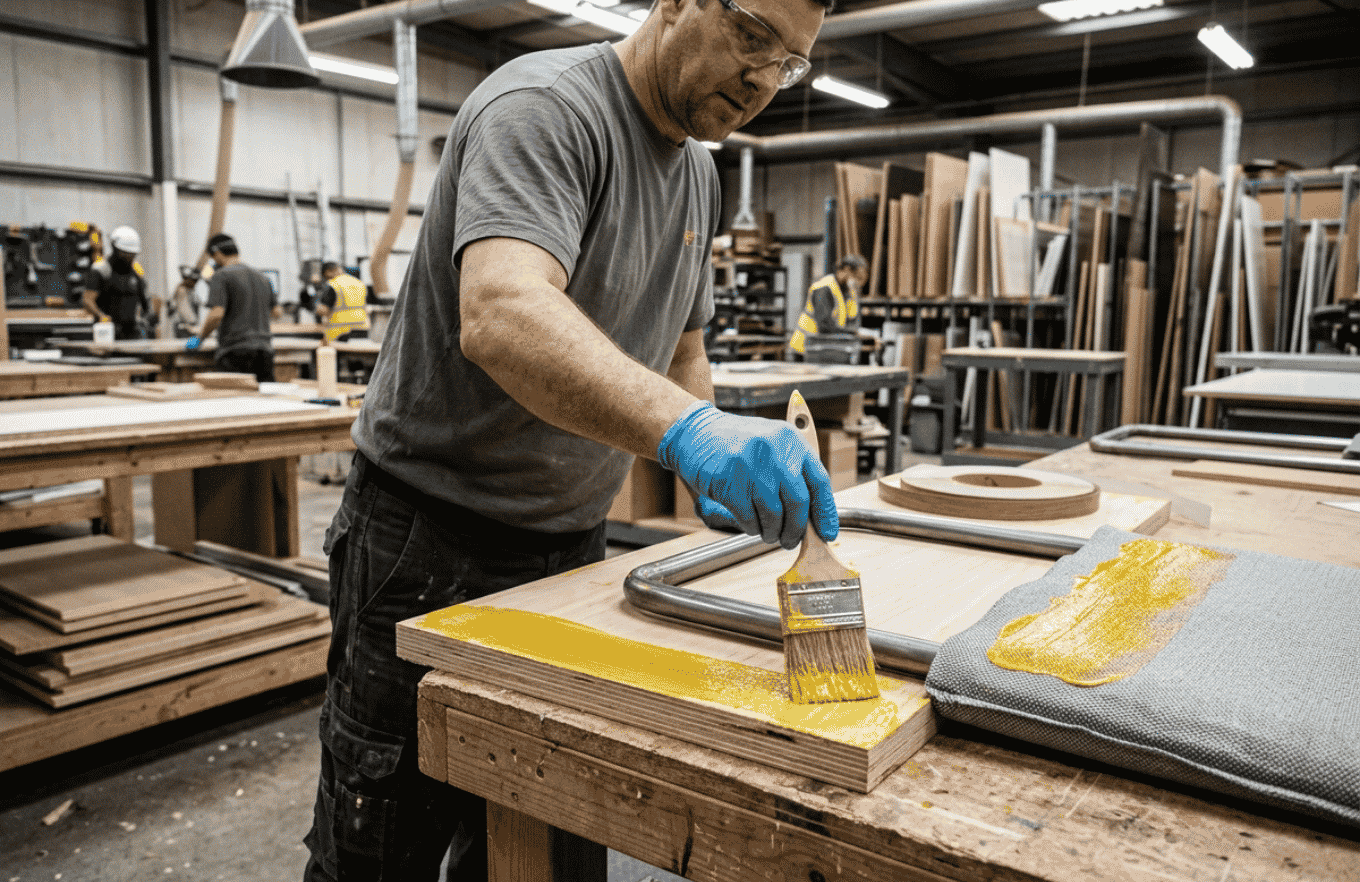
Furniture is not just used indoors; it is often exposed to heat, humidity, and changing environmental conditions. Brands expect adhesives that do not weaken over time.
A trusted industrial adhesive manufacturer must ensure:
Adhesive joints should not fail in hot climates or humid conditions, especially in tropical markets.
Long-term structural stability is a key performance indicator for furniture exports and premium product lines.
Products such as Samad Bond Ultra are designed with durability in mind, making them suitable for both domestic and export furniture manufacturing.
Furniture factories operate under tight production schedules. Adhesive performance is not just about strength, but also about speed and usability.
Brands expect:
Faster bonding means reduced production delays and higher output.
Adhesives must integrate smoothly into spray, brush, or roller systems without clogging or inconsistency.
This is why a reliable industrial adhesive manufacturer focuses heavily on formulation stability and ease of use in real production lines.
Safety is now a major priority in global furniture manufacturing. Buyers expect adhesives to meet strict environmental and workplace safety regulations.
Furniture brands typically look for:
Workers should be able to use adhesives safely in factory environments.
Export-oriented brands require adhesives that meet global quality and safety benchmarks.
A dependable industrial adhesive manufacturer ensures that every batch is tested and aligned with these expectations.
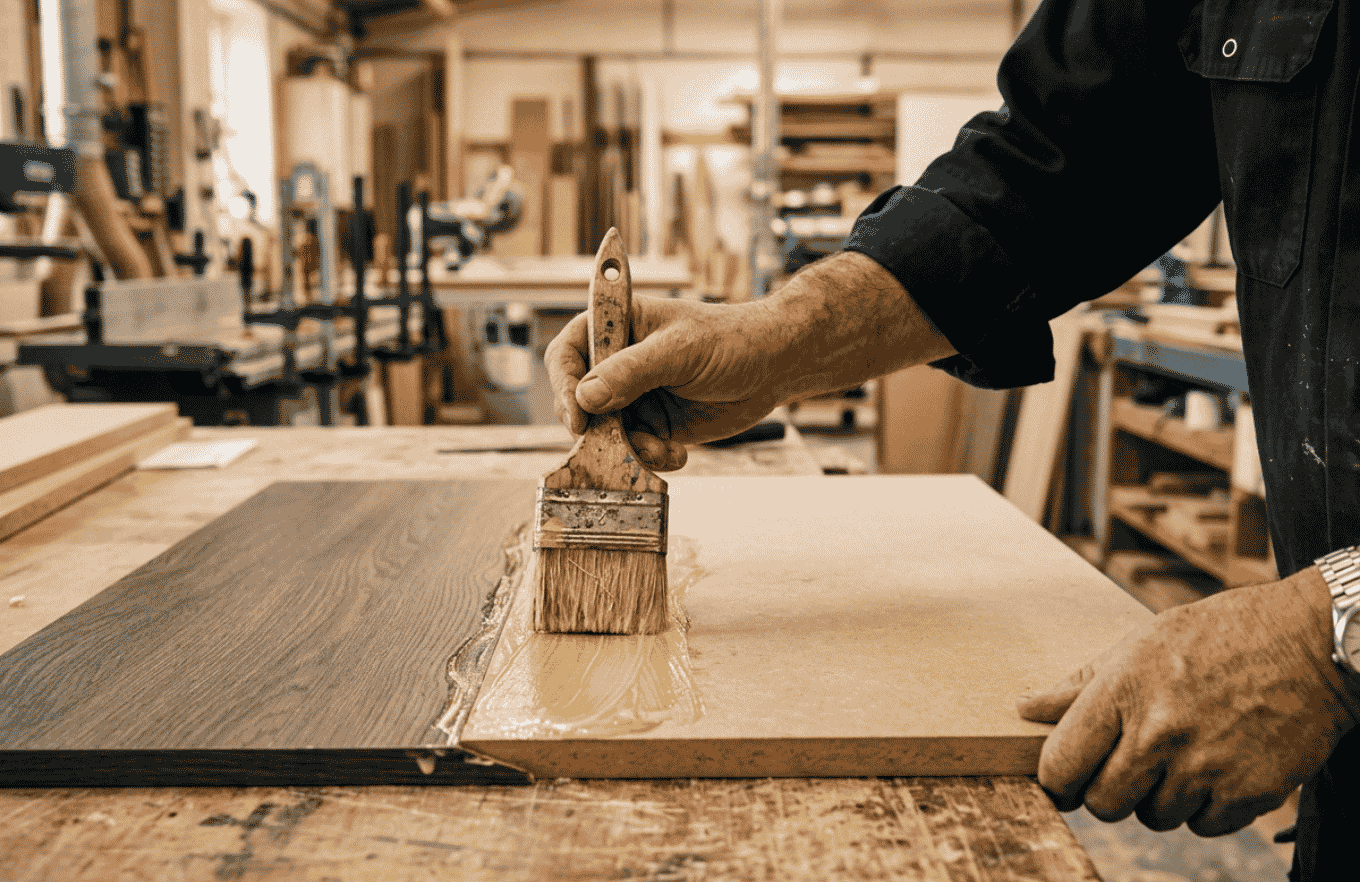
Price is always a factor, but furniture brands do not want cheap solutions that fail under stress. They expect a balance between cost and performance.
Key expectations include:
Strong adhesives reduce rework and rejected pieces.
Better bonding means fewer repairs, replacements, and warranty claims.
This is where Samad Bond Ultra often becomes a preferred choice, as it supports both performance and production efficiency.
Furniture brands also expect a technical partnership, not just product supply. A modern industrial adhesive manufacturer is often evaluated based on support services. A reliable Furniture Adhesive Supplier in Pakistan can provide on-site guidance, product recommendations, and customized solutions tailored to different furniture manufacturing requirements.
Brands want clear instructions for optimal bonding results.
Different furniture lines may require tailored adhesive properties.
Companies like Samad Adhesive are often recognized for offering support beyond just product delivery, helping manufacturers optimize production outcomes.
The furniture market is evolving quickly with new materials, designs, and manufacturing methods. Brands expect their adhesive suppliers to keep up.
An ideal industrial adhesive manufacturer must focus on:
Better bonding strength, faster curing, and improved flexibility.
From engineered wood to advanced composites, adhesives must evolve alongside furniture innovation.
Furniture brands do not rely on marketing claims alone. They test adhesives under real production conditions.
They expect:
Performance must remain stable in actual factory environments.
Every shipment should perform exactly like the previous one.
This consistency is what separates a basic supplier from a trusted industrial adhesive manufacturer.
Furniture brands today operate in a highly competitive and quality-driven market. Their expectations from an adhesive partner include strength, durability, safety, efficiency, and technical support.
A strong partnership with the right industrial adhesive manufacturer and a dependable Furniture Adhesive Supplier in Pakistan directly influences product quality, production speed, and brand reputation. Solutions like Samad Bond Ultra demonstrate how advanced adhesive technology can support modern furniture production needs while maintaining consistency and reliability.
Choosing the right partner is no longer optional; it is a strategic decision that shapes long-term success in the furniture industry.
Contact our team today to explore reliable adhesive solutions designed for furniture manufacturers seeking stronger bonds and improved production efficiency in competitive markets.
Furniture brands expect strong bonding performance, material compatibility, safety compliance, and consistent quality from every production batch.
Consistency ensures uniform product quality, reduces defects, and supports large-scale production without interruptions or material failures.
Samad Bond Ultra provides strong, durable bonding across multiple materials, helping manufacturers improve efficiency and reduce production rework.

.svg)