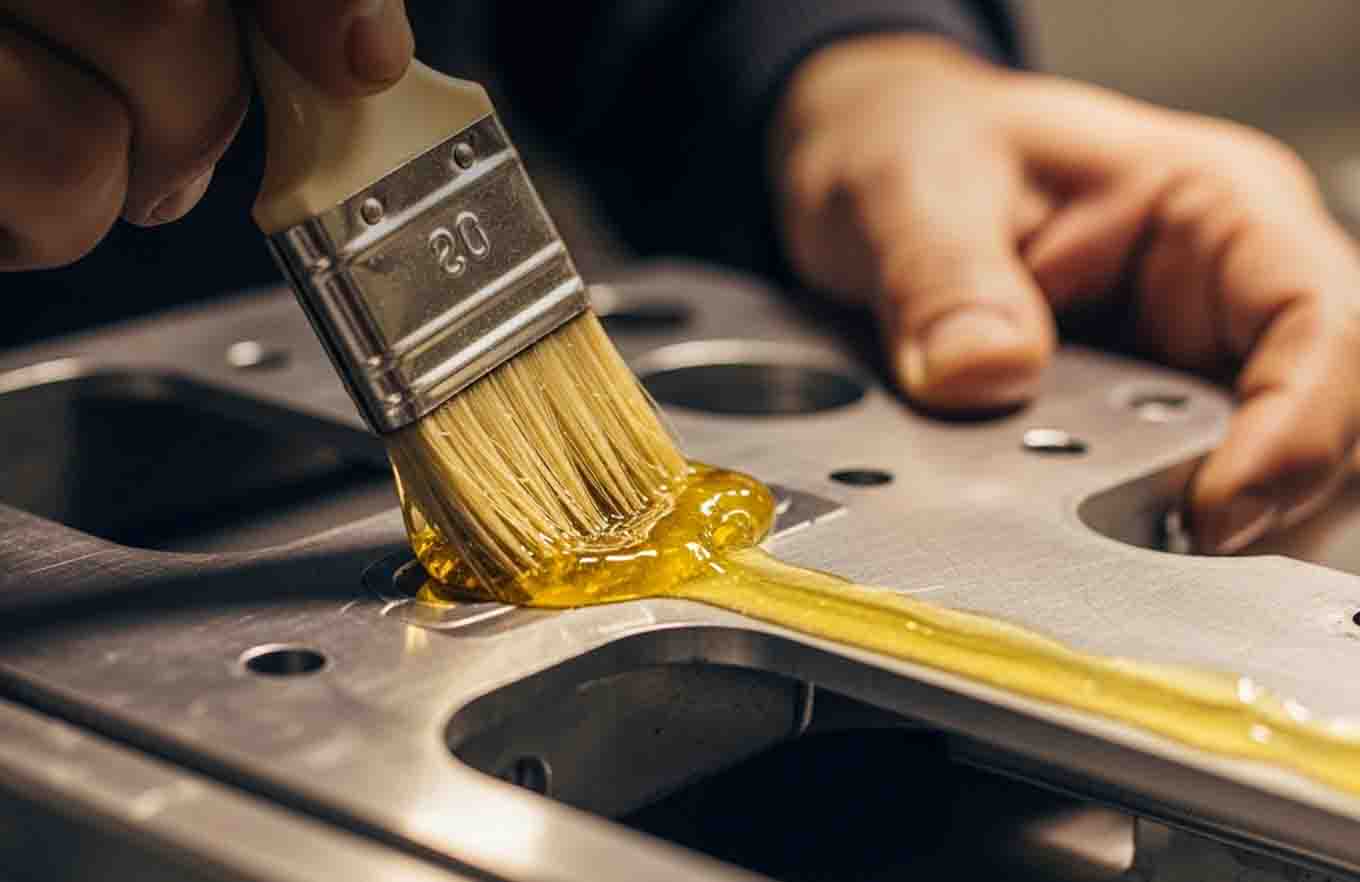
Every experienced industrial adhesive manufacturer has seen the same problems repeat themselves across factories, workshops, and production floors. Adhesives fail not because the product is weak, but because outdated beliefs still guide how they are applied. In the first moments of any bonding process, assumptions are made about surfaces, pressure, curing time, and even temperature. These assumptions quietly shape results. Within the first few uses, the difference between proper understanding and blind habit becomes obvious. The role of an industrial adhesive manufacturer today is not just to supply products, but to correct the thinking that limits performance. Once these myths are removed, bonding becomes more predictable, efficient, and far less frustrating.
The adhesive industry has evolved faster than the habits on factory floors. Many operators still rely on practices learned years ago, often passed down informally. An industrial adhesive manufacturer regularly encounters teams applying modern formulas with outdated logic. This gap creates confusion, wasted material, and inconsistent results. When rubber adhesive for industrial use enters complex environments such as heat, vibration, or load-bearing joints, myths become expensive mistakes. Giants like Samad Adhesive frequently see failures caused by belief, not chemistry. Understanding where these myths come from helps eliminate them with confidence rather than guesswork.
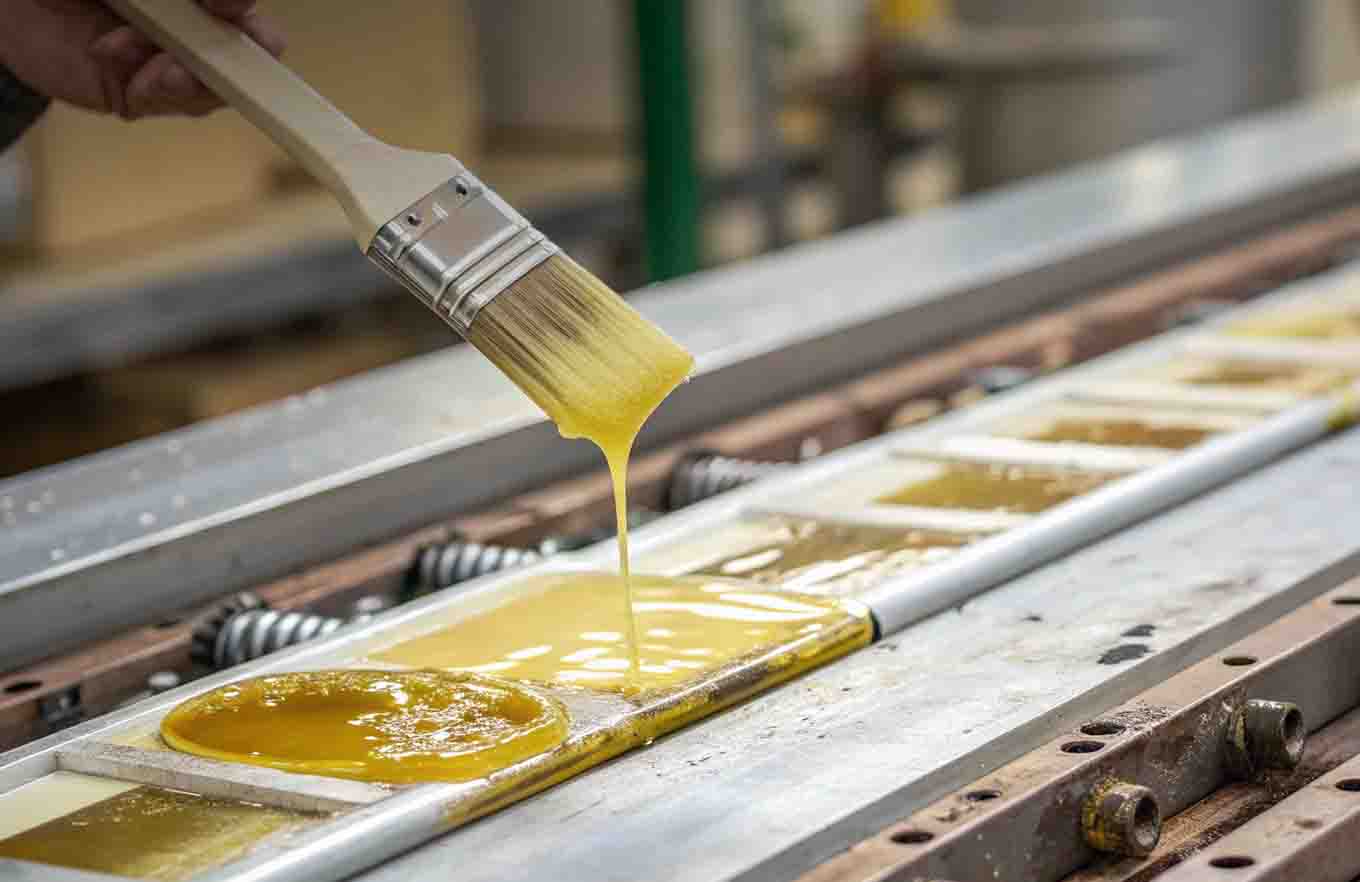
One of the most persistent misconceptions is that excess adhesive improves strength. In reality, too much material can prevent proper curing and weaken the joint. An industrial adhesive manufacturer designs formulations to perform within specific thickness ranges. Rubber adhesive for industrial use depends heavily on controlled spread to achieve flexibility and grip. Samad Adhesive often advises clients that strength comes from balance, not excess. When layers are too thick, air entrapment and uneven curing become unavoidable problems.
Skipping surface preparation is often justified as a time-saving move. However, oils, dust, and moisture quietly sabotage adhesion. An industrial adhesive manufacturer tests products under controlled conditions, not contaminated ones. Rubber adhesive for industrial use reacts strongly to surface conditions, especially in metal and rubber bonding. Samad Adhesive highlights that even high-performance adhesives cannot compensate for neglected preparation. Clean surfaces are not optional; they are foundational.
Assuming uniform performance across rubber adhesives ignores formulation science. Rubber adhesive for industrial use varies by elasticity, heat resistance, and curing behavior. An industrial adhesive manufacturer tailors products to specific stress environments. Samad Adhesive emphasizes that choosing the wrong rubber adhesive is like using the wrong tool for the job. Matching adhesive properties to application demands is where durability begins.
Speed sounds efficient, but uncontrolled curing creates alignment issues and internal stress. An industrial adhesive manufacturer balances open time and cure speed to support precision. Rubber adhesive for industrial use often requires a controlled setting to maintain flexibility. Samad Adhesive advises that productivity improves when curing matches workflow, not when it rushes it. Faster is not always better if it sacrifices consistency.
Many assume contact equals bonding. In reality, pressure ensures adhesive flow and surface contact. An industrial adhesive manufacturer defines pressure requirements for a reason. Rubber adhesive for industrial use relies on uniform pressure to activate bonding mechanisms. Samad Adhesive often sees failures where the pressure was uneven or insufficient. Proper pressure transforms contact into connection.
Temperature influences viscosity, penetration, and bond strength, not just curing speed. An industrial adhesive manufacturer tests adhesives across temperature ranges because real environments fluctuate. Rubber adhesive for industrial use reacts sharply to cold and heat during application. Samad Adhesive notes that ignoring temperature conditions can reduce bond life even if curing appears successful. Temperature awareness protects long-term performance.

Blaming the adhesive is convenient but rarely accurate. An industrial adhesive manufacturer investigates failures through application audits before formulation changes. Rubber adhesive for industrial use often fails due to surface mismatch or environmental stress. Samad Adhesive finds that correct usage solves most issues without changing products. Failure analysis starts with a method, not a material.
Versatility has limits. An industrial adhesive manufacturer develops specialized products because no single adhesive excels everywhere. Rubber adhesive for industrial use may perform well in flexibility but poorly under chemical exposure. Samad Adhesive recommends aligning adhesive selection with operational conditions. Overgeneralization leads to compromised outcomes.
Testing is often skipped once an adhesive is approved. An industrial adhesive manufacturer encourages routine testing because conditions evolve. Rubber adhesive for industrial use may respond differently as materials or suppliers change. Samad Adhesive promotes periodic validation to maintain consistency. Testing is maintenance, not experimentation.
Technique determines bond life more than many realize. An industrial adhesive manufacturer sees identical adhesives perform differently under varied techniques. Rubber adhesive for industrial use requires controlled spreading, timing, and alignment. Samad Adhesive stresses that technique is the silent factor behind durability. Skill multiplies material performance.
Application myths quietly erode efficiency, reliability, and trust in adhesives. When these misconceptions are replaced with informed practices, bonding becomes predictable and durable. An industrial adhesive manufacturer plays a critical role in guiding industries beyond habit-driven decisions. By understanding how rubber adhesive for industrial use truly behaves, teams reduce failures and extend product life. Retiring these myths is not about change for the sake of change; it is about working smarter with materials designed to perform when applied correctly.
Contact our experts today to optimize your adhesive applications with proven industrial bonding guidance.
An industrial adhesive manufacturer provides not only products but also guidance on correct usage, ensuring adhesives perform as designed under real industrial conditions.
Rubber adhesive for industrial use relies on controlled pressure, surface preparation, and curing conditions, making proper technique essential for long-term bonding strength.
Application methods should be reviewed regularly, especially when materials, environments, or production volumes change, to maintain consistent adhesive performance.

.svg)