Modern furniture manufacturing and woodworking have evolved far beyond traditional fastening techniques. While nails and screws were once the default choice for assembly, many professionals now prefer contact adhesive for furniture for certain applications. Adhesives provide clean finishes, strong bonds, and flexibility that mechanical fasteners often cannot deliver. From laminating surfaces to securing decorative panels, adhesives allow craftsmen to achieve seamless designs without visible hardware. Within the first stages of furniture construction, selecting the right bonding method can influence durability, appearance, and production efficiency.
This is why experienced workshops and factories often rely on high-performance adhesive solutions. Trusted manufacturers like Samad Adhesive have helped transform furniture assembly by offering advanced formulations designed specifically for modern woodworking needs. Understanding when adhesive bonding works better than nails can help businesses achieve stronger products and more refined finishes.
Furniture construction combines structural integrity with visual appeal. While nails provide mechanical fastening, adhesives create continuous bonding across surfaces. This difference plays a major role in modern furniture design.
Adhesive bonding distributes stress evenly across the surface rather than concentrating pressure in a few points. This reduces the risk of cracking, splitting, or weakening the material over time. High-quality contact adhesive for furniture also allows manufacturers to bond materials like laminates, veneers, and synthetic surfaces that nails simply cannot handle effectively.
Manufacturers often rely on solutions developed by experienced suppliers such as Samad Adhesive, whose formulations are designed to support durability while maintaining aesthetic quality.
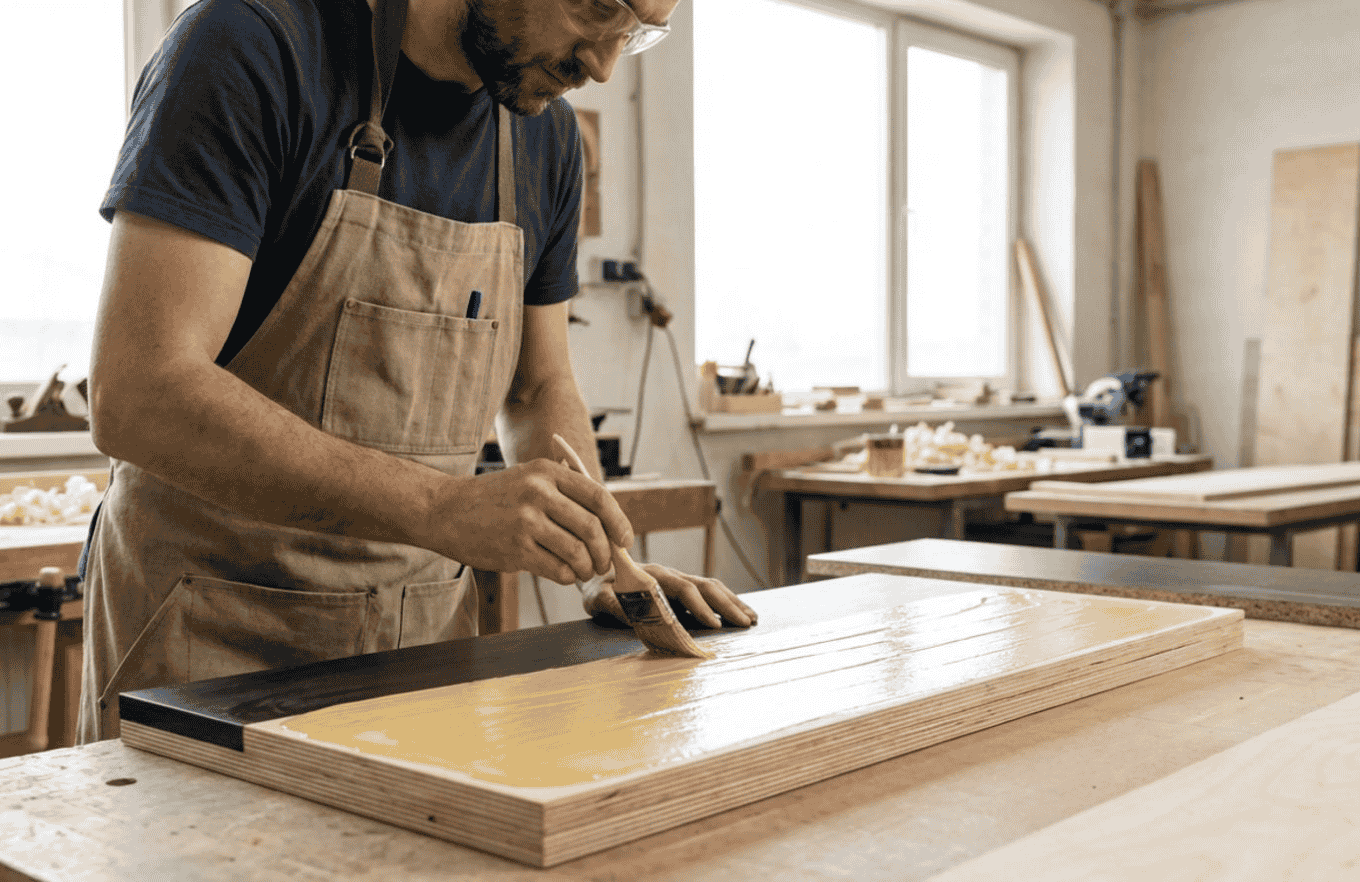
Laminates are widely used in furniture manufacturing because they provide durability and attractive finishes. However, laminates cannot be attached with nails without damaging the surface.
In these cases, contact adhesive for furniture becomes the ideal solution. The adhesive spreads evenly across the laminate and substrate, creating a strong bond without leaving visible marks.
Advantages include:
This method is commonly used for kitchen cabinets, office furniture, and interior paneling.
Wood veneers are delicate layers designed to enhance furniture aesthetics. Using nails on such thin materials can easily cause splits or visible damage.
Adhesives provide a safer and more effective alternative. With products like Samad Bond Adhesive, manufacturers can secure veneers smoothly without affecting their natural appearance. The adhesive creates a strong yet flexible bond that preserves the integrity of the material.
For craftsmen aiming for premium-quality furniture finishes, adhesive bonding is often the preferred choice.
Furniture that involves cushions, padding, or upholstery requires flexible bonding methods. Nails may puncture fabrics or compress foam, reducing comfort and durability.
Using contact adhesive for furniture ensures that upholstery materials remain securely attached without visible fasteners. Adhesives allow even distribution across the surface, maintaining smooth and professional results.
This approach is widely used in sofa manufacturing, mattress production, and decorative seating applications.
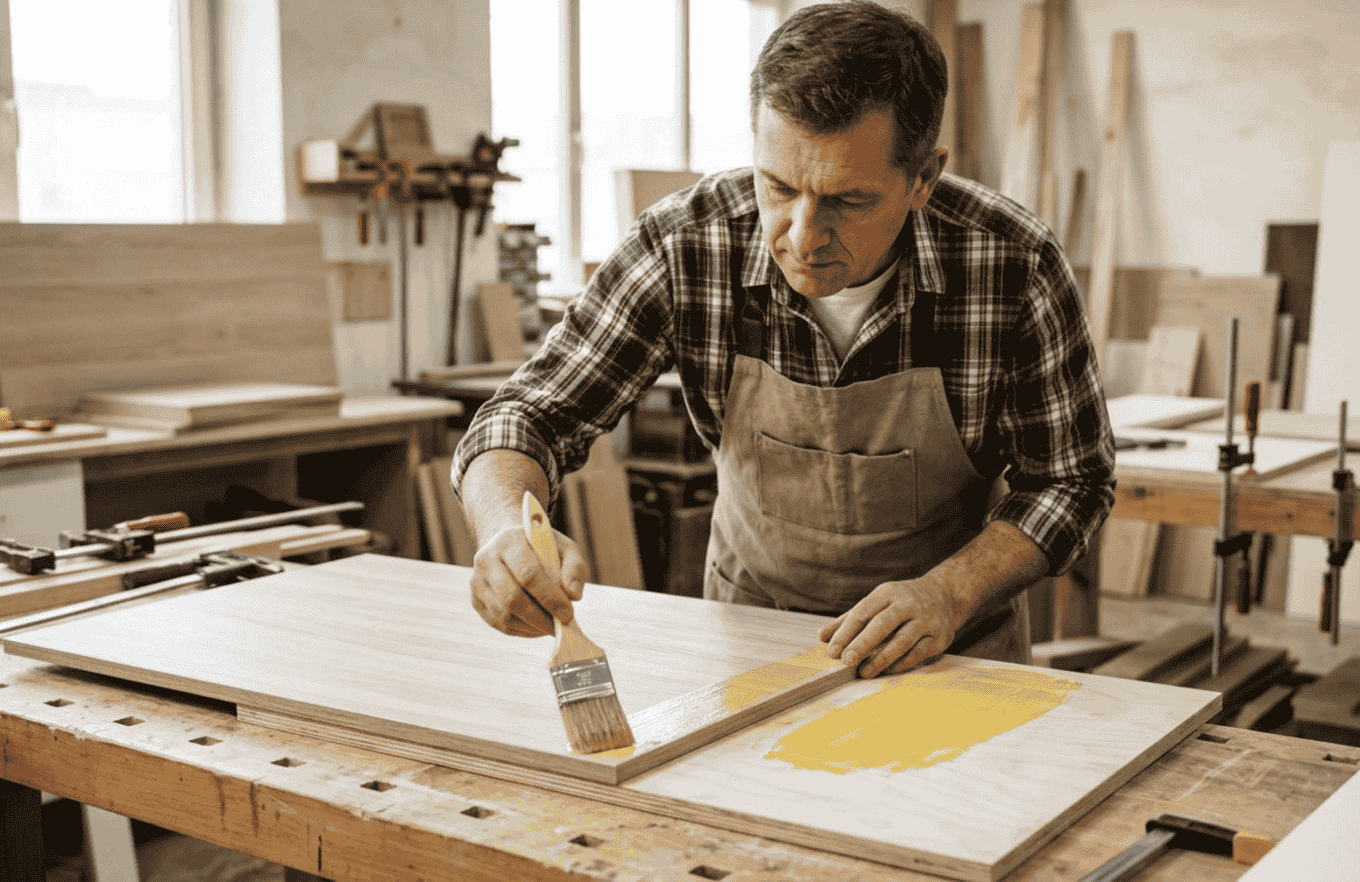
Modern furniture manufacturers increasingly prefer adhesive bonding due to several advantages.
Adhesives eliminate visible fasteners, creating smooth and uninterrupted surfaces. This is particularly important for modern furniture designs that prioritize minimalism.
Unlike nails that create rigid joints, adhesives allow slight flexibility. This helps furniture withstand environmental changes such as humidity and temperature shifts.
Nails can cause cracks or splits in wood, especially near edges. Adhesives avoid this problem by distributing bonding pressure evenly across the surface.
When applied correctly, adhesive bonding can speed up production lines by reducing drilling, hammering, and finishing steps.
Manufacturers working with reliable suppliers such as Samad Adhesive benefit from adhesive solutions that support both efficiency and durability.
Although adhesives offer many advantages, nails remain useful in certain situations. Structural joints that bear heavy loads may require mechanical reinforcement.
For example:
In these cases, adhesives may be used alongside nails to strengthen the bond. Combining both methods ensures maximum stability while maintaining design quality.
An experienced industrial adhesive manufacturer often recommends hybrid bonding techniques to balance strength and efficiency.
Not all adhesives deliver the same performance. Low-quality products may fail under pressure, heat, or moisture. This is why selecting adhesives from a reputable industrial adhesive manufacturer is essential.
High-performance adhesives such as Samad Bond Adhesive are engineered to provide consistent bonding strength across different materials. These formulations are designed to meet the demands of modern manufacturing industries, including furniture, footwear, and interior design.
Reliable adhesives improve product lifespan while reducing maintenance and repair costs.
Using adhesives correctly ensures the best possible results. Professionals follow several guidelines to maximize bonding strength.
Dust, oil, or moisture can weaken adhesive performance. Cleaning the surface ensures better adhesion.
Consistent coverage allows the adhesive to bond uniformly across the surface.
Contact adhesives often require a brief drying phase before surfaces are pressed together. Following manufacturer instructions ensures optimal bonding.
Adhesives developed by experienced manufacturers such as Samad Adhesive are designed to perform reliably when applied correctly.
These simple practices help craftsmen achieve strong and durable furniture assemblies.
Contact us today to explore advanced adhesive solutions designed for stronger furniture bonding and more efficient production.
Furniture manufacturing continues to evolve as designers and craftsmen seek better ways to combine strength with aesthetics. While nails remain useful for structural support, contact adhesive for furniture provides significant advantages for laminates, veneers, upholstery, and decorative surfaces. Adhesives create seamless finishes, distribute stress evenly, and reduce the risk of material damage. With reliable solutions like Samad Bond Adhesive, manufacturers can achieve professional results while maintaining production efficiency. Partnering with a trusted industrial adhesive manufacturer ensures consistent product quality and technical expertise. Ultimately, understanding when to use adhesives instead of nails allows businesses to produce furniture that is stronger, cleaner, and built to last.
Contact adhesive should be used when bonding laminates, veneers, foam, or decorative surfaces that require smooth finishes without visible fasteners.
Adhesives provide even bonding without damaging laminate surfaces, ensuring a clean and professional appearance.
Samad Bond Adhesive creates strong, flexible bonds that withstand pressure, temperature changes, and long-term usage.

.svg)