Furniture quality is usually judged by what customers can see, such as the finish, shape, materials, and overall craftsmanship. Yet some of its most important details remain hidden beneath the surface. Bonding plays a quiet but significant role in keeping furniture components together, especially where laminates, panels, fabrics, veneers, and other materials meet. The work of an Industrial Adhesive Manufacturer can therefore influence much more than the adhesive itself. Product formulation, material compatibility, application behavior, and bonding strength can all affect the finished piece. A small bonding issue can become a loose component, damaged finish, or costly repair later. In this blog, we’ll explore how adhesive choices quietly shape furniture quality and what manufacturers should consider before selecting a bonding solution.
Furniture manufacturing involves many different surfaces, and each combination can present its own bonding challenge. Wood products may need to connect with laminates, decorative surfaces, fabrics, foams, or synthetic materials.
The adhesive needs to suit the application rather than simply provide a strong initial grip. A formulation that works well on one surface may not produce the same result on another.
This is where the expertise of an Industrial Adhesive Manufacturer becomes valuable. Understanding substrate characteristics, application conditions, and expected product use helps manufacturers make better bonding decisions before production problems occur.
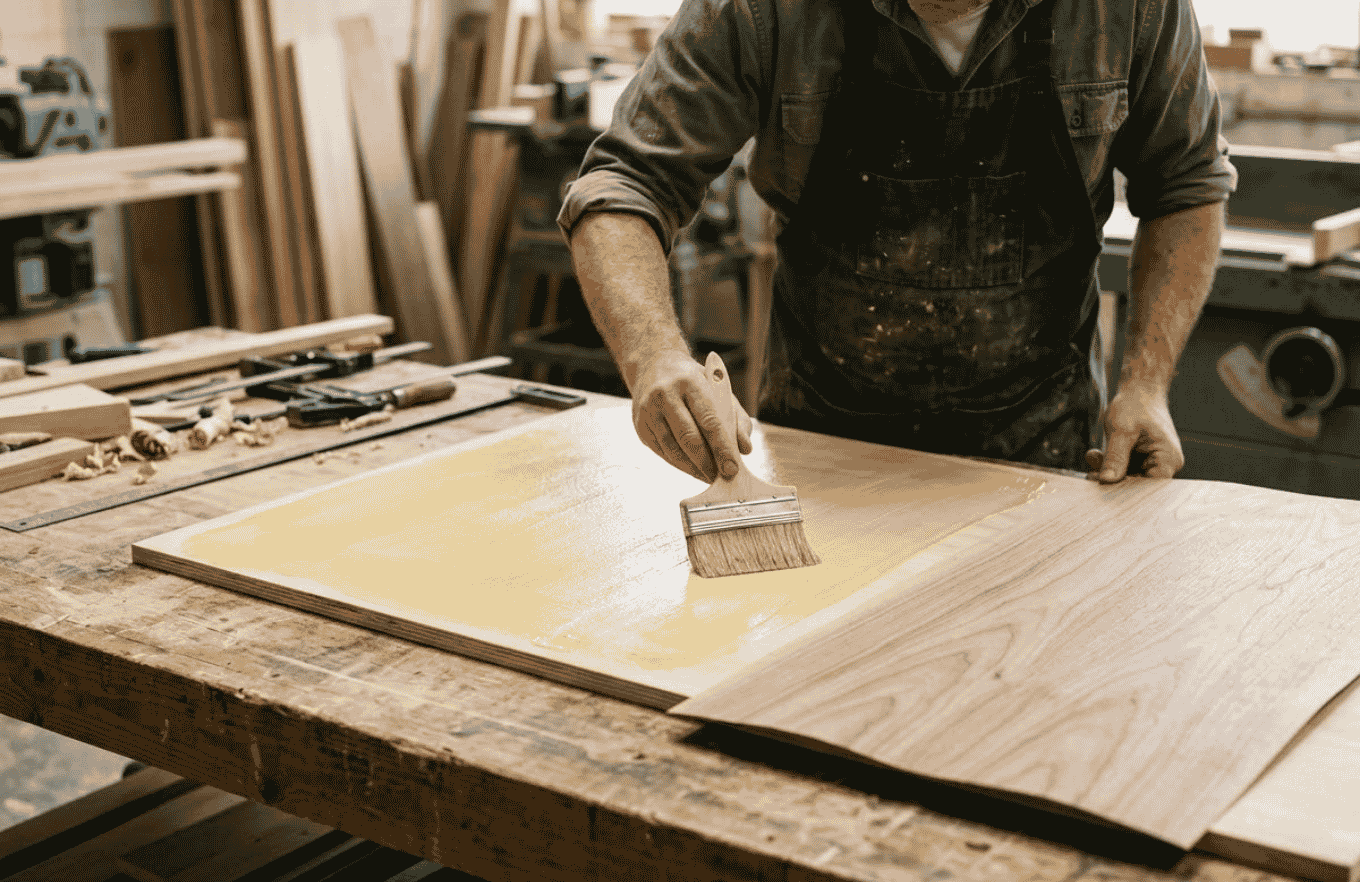
A beautifully finished furniture piece can still disappoint if its components begin separating after regular use. Bond strength is closely connected to how well a finished product holds together over time.
For suitable applications, Contact Adhesive for Furniture can provide strong adhesion across compatible surfaces while fitting efficiently into manufacturing processes. The goal is not simply maximum strength, but the right bonding characteristics for the materials being joined.
Samad Adhesive's Samad Bond 101 is made with polychloroprene and is designed for strong bonding in furniture-related applications, serving both household and industrial needs.
Even a well-formulated adhesive can produce inconsistent results when application conditions are overlooked. Surface cleanliness, adhesive coverage, drying or tack time, pressure, and handling can all influence the finished bond.
For furniture manufacturers, these details become especially important when production volumes increase. Small inconsistencies repeated across hundreds of pieces can quickly turn into quality-control concerns.
Therefore, a suitable Contact Adhesive for Furniture should be supported by a clear understanding of how it needs to be applied. Samad Bond 101 gives manufacturers a practical option where polychloroprene-based contact bonding suits the application.
Furniture production depends on repeatable processes. If bonding behavior changes from one production run to another, workers may spend additional time adjusting application methods or correcting failed assemblies.
A consistent adhesive solution can help reduce such variations when it is correctly matched with the production process. This makes the manufacturer's role more significant than it might initially appear.
Moreover, an Industrial Adhesive Manufacturer can contribute technical knowledge that helps production teams understand how materials, application methods, and environmental conditions interact.
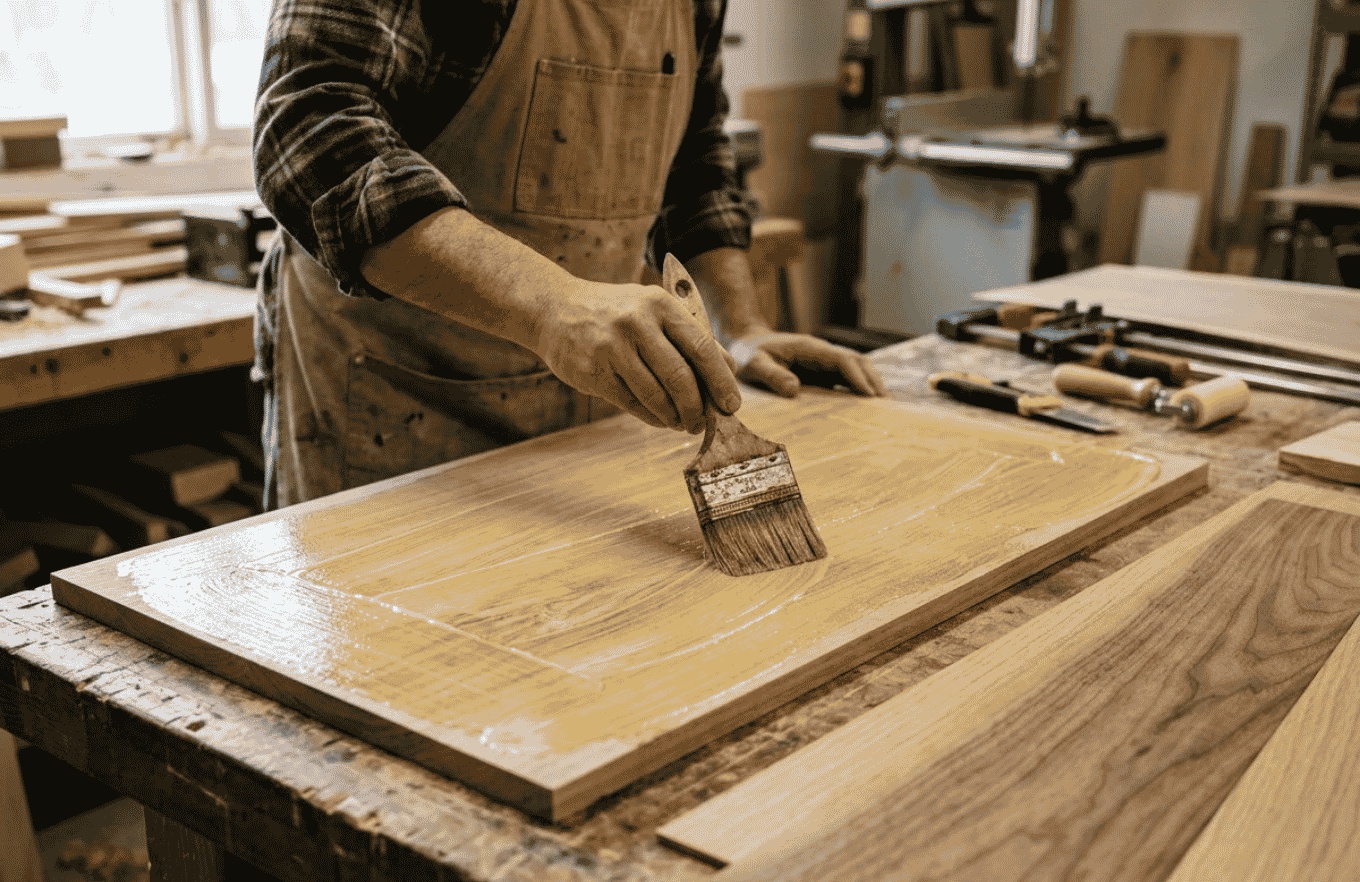
Customers may never think about the adhesive inside a piece of furniture, but they notice when something loosens, lifts, separates, or requires repair.
That makes bonding part of the overall product experience. Samad Adhesive positions Samad Bond 101 as a strong contact adhesive for furniture, offering a solution designed around demanding bonding requirements.
The right adhesive can help manufacturers focus on visible craftsmanship while ensuring the less visible connections receive equal attention.
Price is naturally part of any purchasing decision, but adhesive costs should be considered alongside rework, material waste, labor, and finished-product quality.
A cheaper product can become expensive if poor bonding leads to repeated applications or rejected components. Conversely, a well-matched adhesive can contribute to smoother production by fitting the process and materials more effectively.
For this reason, Contact Adhesive for Furniture should be evaluated according to its practical role within the complete manufacturing workflow rather than as an isolated material cost.
Contact Samad Adhesive today to discuss furniture bonding solutions tailored to your materials, production requirements, and desired product quality.
Furniture quality is built from hundreds of small decisions, and adhesive is one of the easiest to overlook. Yet the strength and consistency of hidden bonds can influence assembly, appearance, durability, production efficiency, and the customer's experience. Choosing an appropriate bonding solution requires attention to materials, application conditions, production demands, and long-term performance rather than price alone. When these factors are considered together, adhesive becomes more than a supporting material. It becomes part of the craftsmanship behind the finished product, helping furniture manufacturers create pieces that look right, feel right, and remain intact through everyday use.
Adhesive helps join compatible furniture materials and can influence assembly quality, appearance, durability, production efficiency, and the finished product's performance.
They should consider the materials being bonded, required bond strength, surface preparation, application process, production conditions, and expected use of the finished furniture.
Samad Bond 101 is a polychloroprene-based contact adhesive designed for strong bonding applications in furniture and other household and industrial uses.