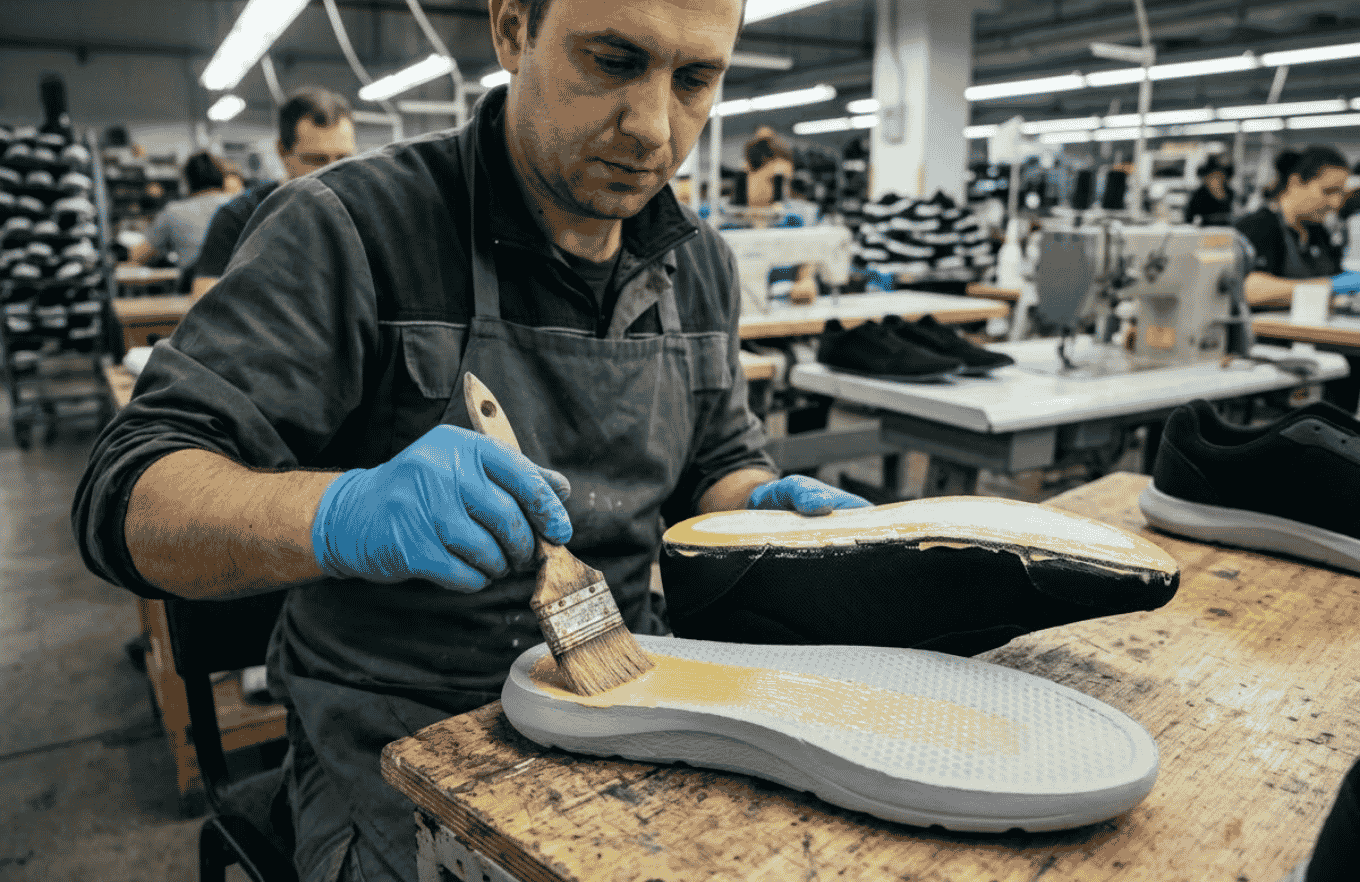
A separated sole can turn a well-made shoe into a customer complaint in no time. Whether it is a sneaker, formal shoe, or sports footwear, the bond between the upper and sole has to withstand constant flexing, pressure, temperature changes, and everyday wear. That is why adhesive selection deserves as much attention as material and stitching.
For manufacturers, PU adhesive for shoes offers a practical solution for demanding footwear applications when the product and process are correctly matched. However, achieving a reliable bond is not simply about applying more glue. Surface preparation, adhesive coverage, drying, activation, and pressing all influence the final result. In this guide, we explain the key steps and considerations that can help footwear manufacturers minimize sole separation and improve bonding consistency.
Sole separation rarely comes from one single issue. Poor surface preparation, incompatible materials, insufficient adhesive coverage, incorrect drying time, or inadequate pressing can all weaken the finished bond.
Footwear soles may be manufactured from TPR, PVC, PU, EVA, natural rubber, or nitrile rubber, while uppers can include natural leather, synthetic leather, suede, canvas, textiles, and other materials. Each combination can behave differently during bonding.
This is why manufacturers should evaluate the entire bonding process instead of blaming the adhesive whenever a failure occurs.
Dust, oil, moisture, release agents, and other contaminants can interfere with adhesion. Before applying adhesive, footwear components should be properly cleaned and prepared according to the material and production process.
Some substrates may also benefit from priming. The purpose is to improve surface compatibility and give the adhesive a better foundation for bonding.
A Shoe Glue Supplier with suitable technical knowledge can help manufacturers determine whether particular materials require additional preparation.
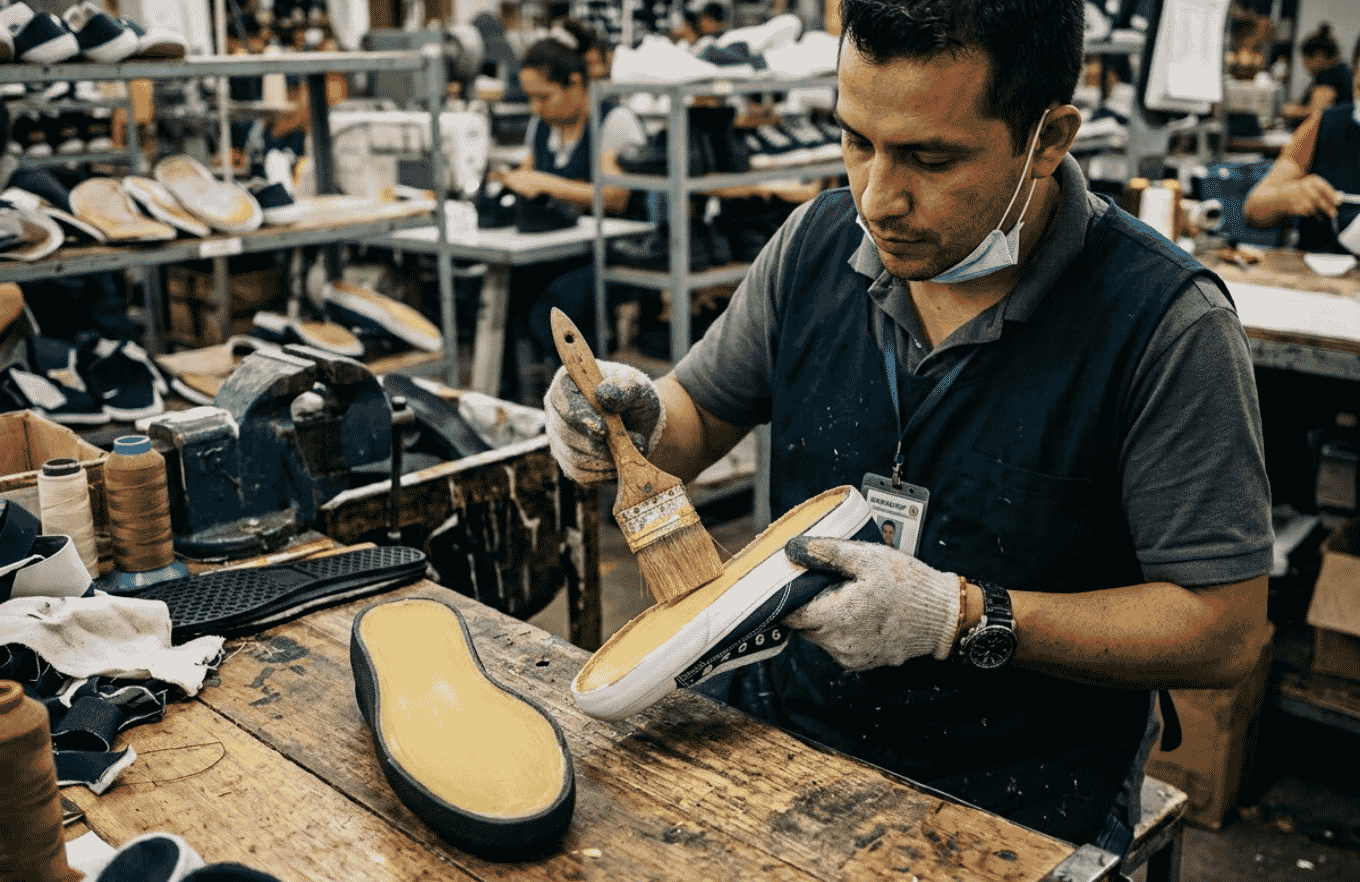
The amount of adhesive matters. Too little may leave weak or uncovered areas, while excessive application can create unnecessary processing problems.
For Profix PU Adhesive, the recommended approach is to apply adhesive to both surfaces where appropriate, allow the adhesive to reach the required tack-drying stage, and then heat-activate before pressing.
The objective is consistent coverage rather than simply creating a thick layer. Samad Adhesive provides Profix as a high-performance bonding solution for footwear applications where durable sole adhesion is essential.
Heat activation can help prepare the adhesive for final bonding, while controlled pressure helps bring the two surfaces together properly.
If the surfaces are pressed too early, too late, or with insufficient pressure, the resulting bond may not perform as expected. Production teams should therefore maintain consistent application procedures rather than relying on individual worker judgment.
The heat resistance of Profix also supports applications where footwear may experience elevated temperatures during use, helping maintain bond integrity under demanding conditions.
A successful footwear bond depends heavily on material compatibility. PU, TPR, PVC, EVA, rubber, leather, synthetic leather, suede, and canvas can all present different bonding challenges.
This is where a dependable Shoe Glue Supplier becomes valuable. Instead of choosing an adhesive based solely on price, manufacturers should consider the substrates, production conditions, required flexibility, and expected service environment.
Samad Adhesive's Profix is designed for footwear bonding and can also be used for selected leather goods, automotive trimming, and technical repair applications.
Profix is designed for high-stress footwear bonding, helping connect uppers and soles for sneakers, formal footwear, and sports shoes.
Its transparent finish can support a clean appearance without obvious glue lines, which is especially useful for footwear where finishing quality matters. Its resistance to plasticizers can also be valuable when working with PVC and synthetic materials.
For manufacturers, these characteristics make Profix a practical option when both appearance and bond performance are important.
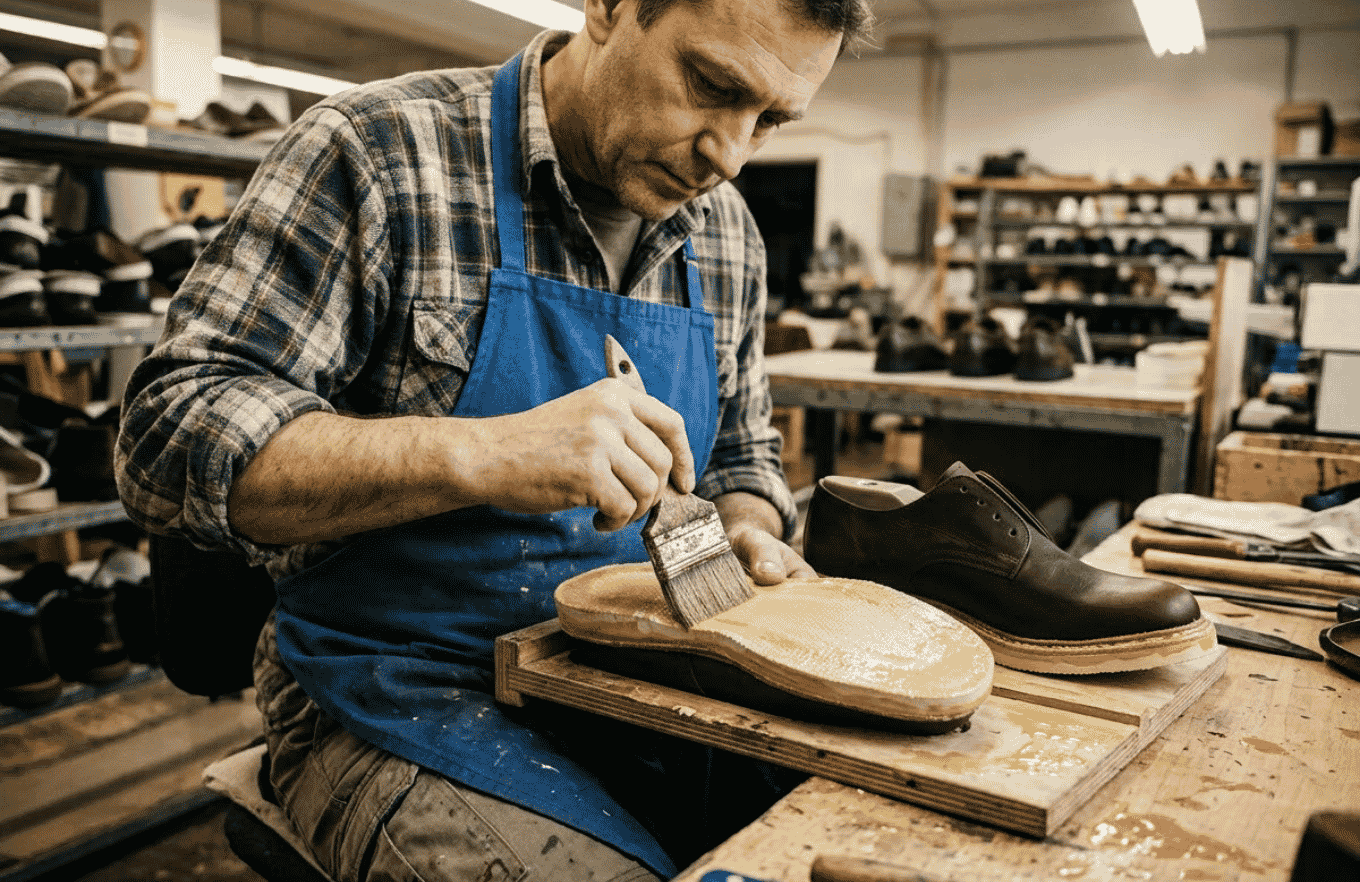
The goal should not simply be applying a stronger adhesive. Manufacturers should create a controlled bonding system.
That means selecting compatible materials, preparing surfaces correctly, applying consistent adhesive coverage, allowing suitable tack time, activating when required, and applying adequate pressure. Most importantly, workers should follow standardized procedures so every pair receives the same treatment.
Moreover, testing the complete process before full production can identify weak points early and reduce unnecessary rework.
Achieving minimal sole separation requires more than choosing an adhesive from a catalog. Material compatibility, surface preparation, application quantity, tack-drying, heat activation, and pressing all contribute to the final result.
A suitable PU adhesive for shoes, combined with disciplined application practices, can help manufacturers build stronger and more consistent footwear bonds. Samad Adhesive's Profix provides a high-performance option for demanding sole bonding applications across different footwear materials.
Contact Samad Adhesive today for dependable footwear bonding solutions designed to support stronger soles and long-lasting production performance.
Common causes include poor surface preparation, incorrect adhesive application, insufficient drying or activation, incompatible materials, and inadequate pressing.
Suitable PU adhesive formulations can be used with materials including PU, TPR, PVC, EVA, natural rubber, and nitrile rubber, depending on proper preparation and application.
Manufacturers should standardize surface preparation, adhesive coverage, tack time, heat activation, and pressing conditions while selecting an adhesive suited to their specific materials.


.svg)