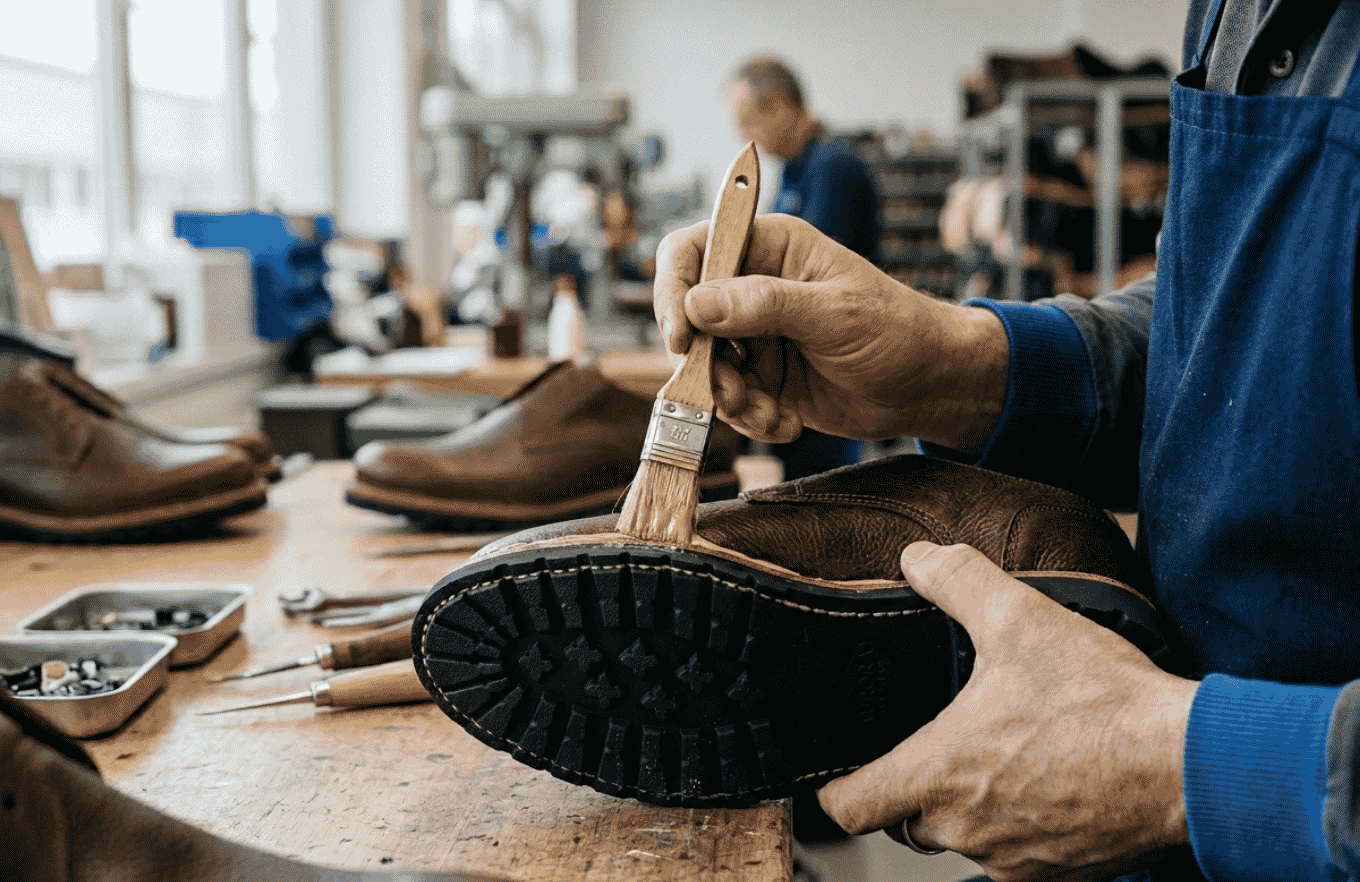
In footwear manufacturing, precision in adhesive application is just as important as the quality of the adhesive itself. Even the most advanced formulas can fail if applied incorrectly, leading to weak bonding, product defects, and reduced durability. This is why a professional shoe glue supplier always emphasizes proper training and application techniques for workers on the production floor.
Modern footwear production relies heavily on PU adhesive for shoes due to its strength, flexibility, and resistance under stress. Products like Profix PU Adhesive are widely used for sole bonding, leather assembly, and industrial footwear manufacturing because they ensure long-lasting performance when applied correctly.
In this guide, we will explore step-by-step application techniques, material preparation methods, and industry-approved practices that help workers achieve consistent and reliable bonding results.
A reliable shoe glue supplier does more than just deliver adhesive products. They provide technical knowledge, application support, and process optimization guidance for factory workers.
Proper application ensures that adhesives like PU adhesive for shoes perform at their full potential across different materials such as leather, rubber, and synthetic fabrics.
● Providing correct usage instructions
● Training workers on surface preparation
● Ensuring compatibility with footwear materials
● Supporting troubleshooting during production
Well, suppliers help reduce production errors by standardizing application methods.
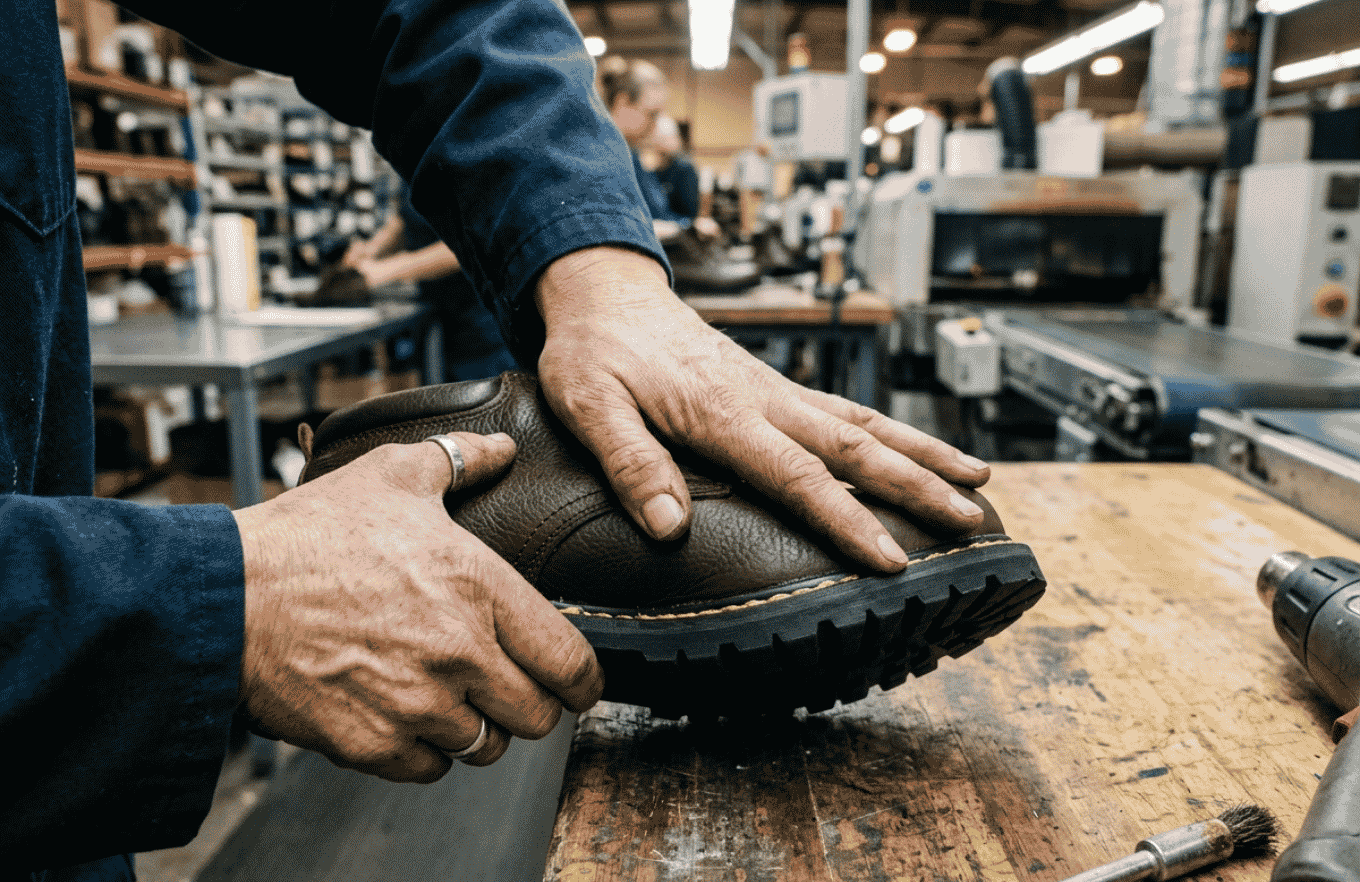
PU adhesive for shoes is widely used in footwear production due to its durability and flexibility. It creates strong bonds between soles and uppers, even under high pressure and movement.
Profix PU Adhesive is especially known for its high-performance bonding in sneakers, formal shoes, and sports footwear.
● Strong bonding for multiple materials
● High resistance to heat and stress
● Flexible performance under movement
● Long-lasting durability in demanding conditions
Furthermore, its compatibility with different shoe components makes it ideal for large-scale manufacturing.
Proper surface preparation is one of the most critical steps in achieving strong bonding results.
● Clean all surfaces to remove dust and oil
● Roughen smooth surfaces for better grip
● Ensure materials are completely dry before application
● Avoid contamination during handling
Improper preparation can significantly reduce adhesive performance, even when using high-quality products like Profix PU Adhesive.
Correct application ensures maximum bonding strength and product reliability.
● Apply adhesive evenly on both surfaces
● Allow proper tack-drying time
● Activate bonding using controlled heat
● Press surfaces firmly and evenly
● Allow curing time for full strength development
Skipping tack-drying can weaken the final bond and reduce durability.
Tack-drying and heat activation are essential stages in PU adhesive application.
It allows solvents to evaporate, creating a sticky surface that improves bonding strength.
● Strengthens molecular bonding
● Improves adhesion between materials
● Ensures long-term durability under stress
Correct temperature control ensures consistent production results across batches.
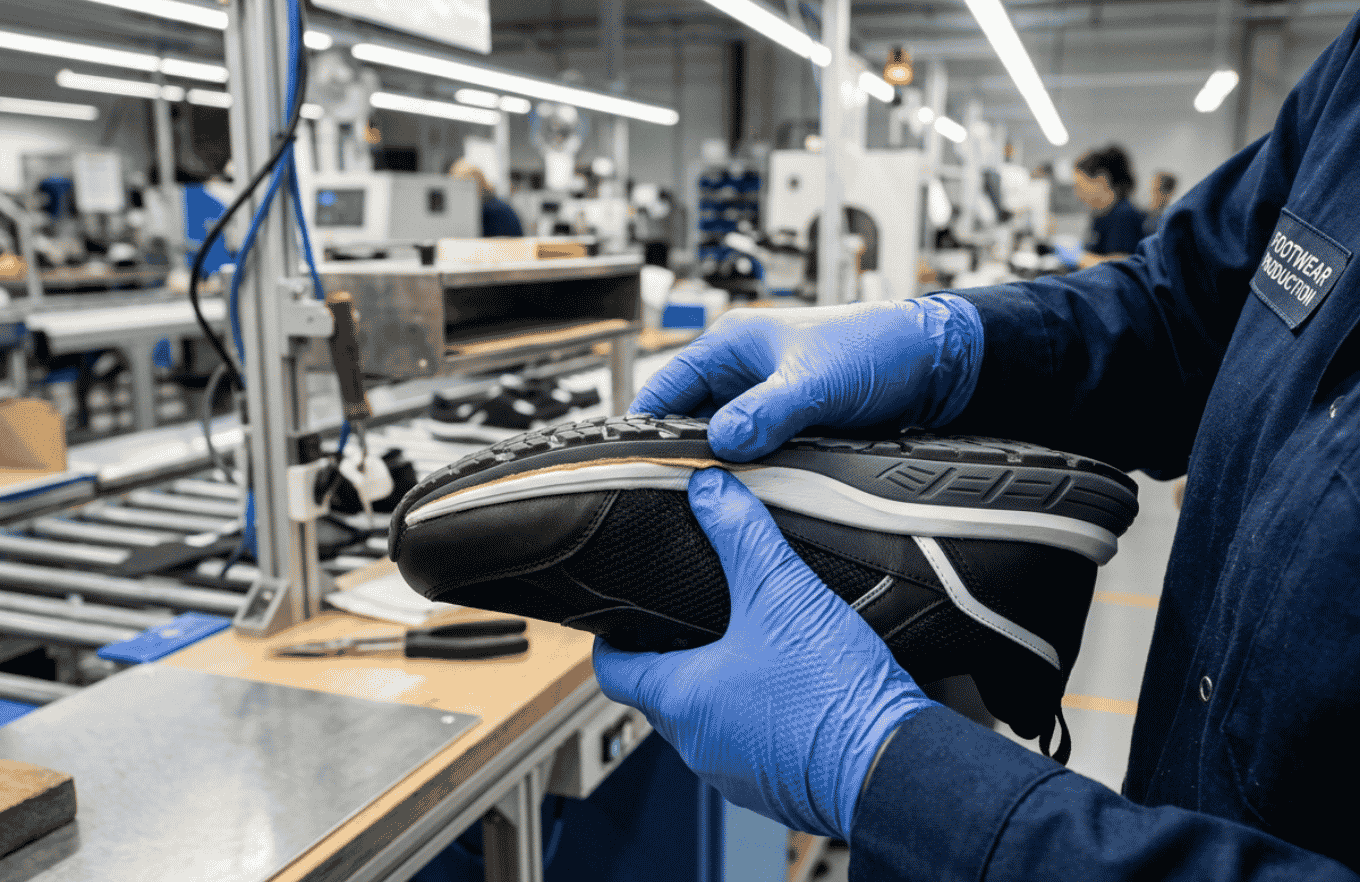
Understanding material compatibility is essential for workers using PU adhesive for shoes.
Soles: TPR, PVC, PU, EVA, rubber types
Uppers: leather, synthetic leather, suede, canvas
Other components: textiles, foams, plastics
Most importantly, selecting the correct adhesive ensures better performance and reduced rejection rates.
Profix PU Adhesive is widely trusted in footwear manufacturing due to its strong technical performance.
● Excellent heat resistance for durability
● Crystal clear finish without visible glue marks
● High resistance to plasticizers and oils
● Strong bonding for high-stress footwear applications
Moreover, it is suitable for both mass production and specialized footwear lines.
Even experienced workers can make errors that affect adhesive performance.
● Applying uneven adhesive layers
● Skipping surface cleaning
● Ignoring tack-drying time
● Using excessive or insufficient pressure
These mistakes can lead to weak bonding and increased product failures.
Quality control ensures consistent results in footwear production.
● Regular inspection of adhesive application
● Monitoring temperature during activation
● Checking bond strength before final assembly
Consistent monitoring reduces production defects significantly.
Training workers ensures efficient and error-free application of adhesives in production environments.
● Improved production consistency
● Reduced material wastage
● Higher product durability
● Faster manufacturing processes
Trained workers can handle different materials more effectively.
Proper adhesive application is a crucial factor in footwear manufacturing success. Even the best products require correct handling techniques to deliver optimal performance. A professional shoe glue supplier plays a vital role in guiding workers, improving processes, and ensuring consistent results.
With advanced solutions like PU adhesive for shoes and Profix PU Adhesive, manufacturers can achieve strong, flexible, and long-lasting bonds across various footwear materials. When combined with proper training and application methods, production quality improves significantly, reducing defects and increasing efficiency.
Contact us today for expert shoe glue solutions, application training, and high-performance PU adhesive systems for footwear manufacturing industries.
Proper application ensures strong bonding, reduces defects, and improves the durability of footwear products during daily use.
Apply evenly, allow tack-drying, activate with heat, and press firmly for maximum bonding strength and long-lasting results.
Yes, dust, oil, or moisture on surfaces can significantly weaken adhesive performance and reduce durability.


.svg)