In modern manufacturing, bonding technology has become a critical part of production efficiency and product durability. That’s why rubber adhesive for industrial use plays a central role in connecting materials that traditional fasteners struggle to handle. Industries today demand bonding solutions that are flexible, strong, and reliable under pressure. From furniture production to automotive interiors and footwear manufacturing, rubber-based adhesives offer the performance manufacturers depend on.
The importance of high-quality bonding materials continues to grow as industries shift toward lighter materials, faster production cycles, and stronger structural performance. This is where an experienced industrial adhesive manufacturer becomes a valuable partner for businesses looking to maintain consistency in their production processes. Reliable adhesives ensure durability, streamline manufacturing workflows, and support the development of products that perform well in real-world conditions.
Rubber-based adhesives are widely recognized for their flexibility and high bonding strength. Unlike rigid adhesives, these formulations remain elastic after curing, allowing bonded materials to withstand stress, vibration, and environmental changes.
This flexibility makes rubber adhesives particularly suitable for applications where materials expand, contract, or move during use. Industries rely on these adhesives to create durable connections between surfaces such as wood, laminate, fabric, foam, rubber, and metal.
An experienced industrial adhesive manufacturer carefully designs these adhesives to maintain strong bonding even under demanding industrial conditions. This level of reliability ensures production lines operate smoothly without frequent bonding failures.
Manufacturers such as Samad Adhesive focus on developing adhesive solutions that meet the changing needs of modern industries while maintaining consistent quality standards.
Rubber adhesives are popular in industrial environments because they offer a balanced combination of strength and adaptability.
One of the most important characteristics of rubber adhesives is their ability to create strong bonds quickly. This property allows manufacturers to accelerate assembly processes without compromising product integrity.
In high-volume production environments, this fast bonding capability significantly improves workflow efficiency and reduces manufacturing time.
Industrial products often experience pressure, vibration, and temperature changes. Rubber adhesives remain flexible even after curing, allowing bonded surfaces to absorb movement without breaking.
This flexibility helps extend product lifespan while maintaining structural stability.
Another reason manufacturers prefer rubber adhesives is their ability to bond a wide variety of materials. Industries working with wood, foam, plastic, laminates, and rubber benefit greatly from this versatility.
Companies such as Samad Adhesive focus on developing formulations that perform consistently across different surfaces and manufacturing environments.
Rubber adhesives are used across numerous industrial sectors. Their versatility makes them a reliable solution for manufacturers looking to strengthen product durability while improving production efficiency.
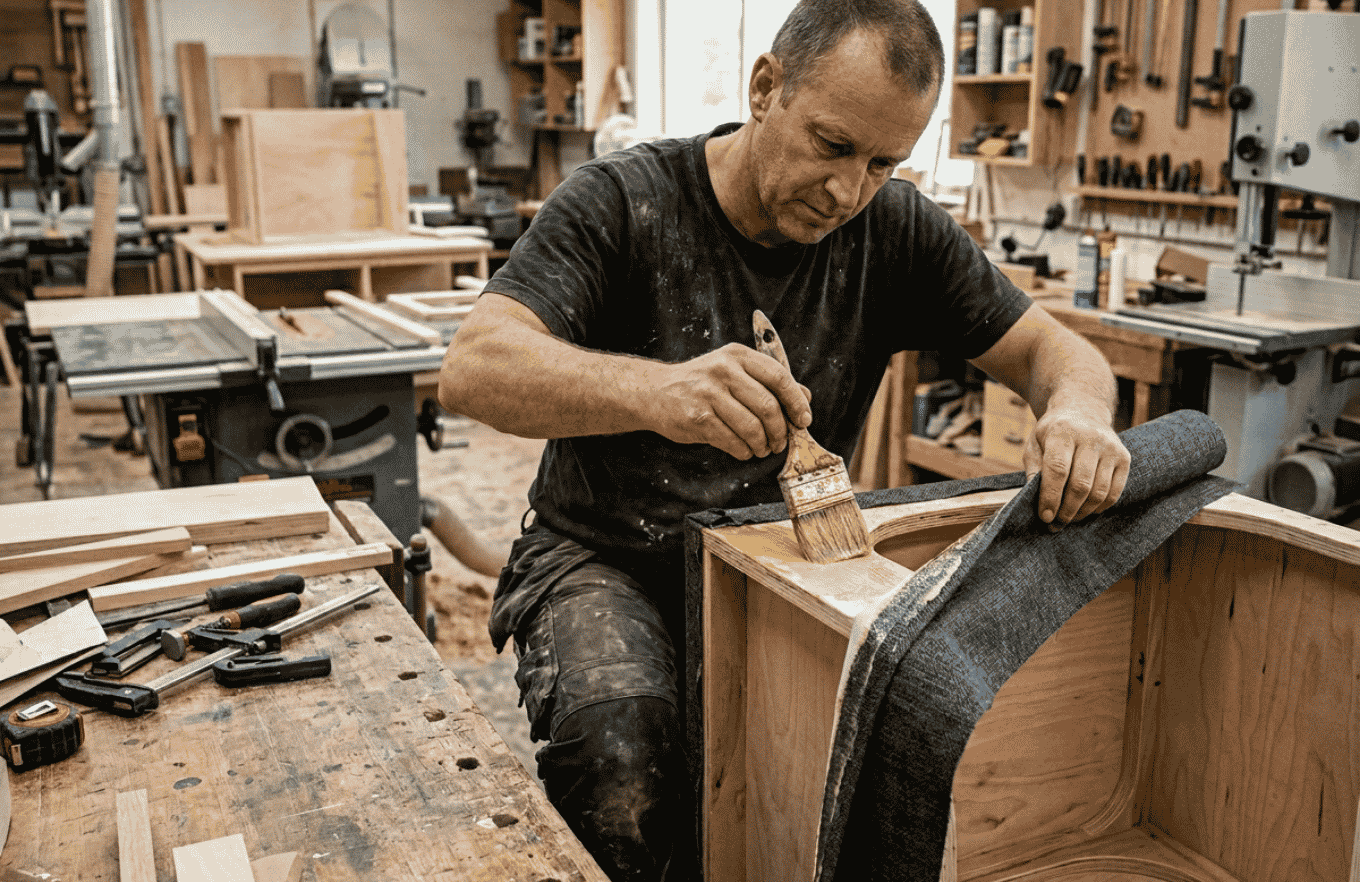
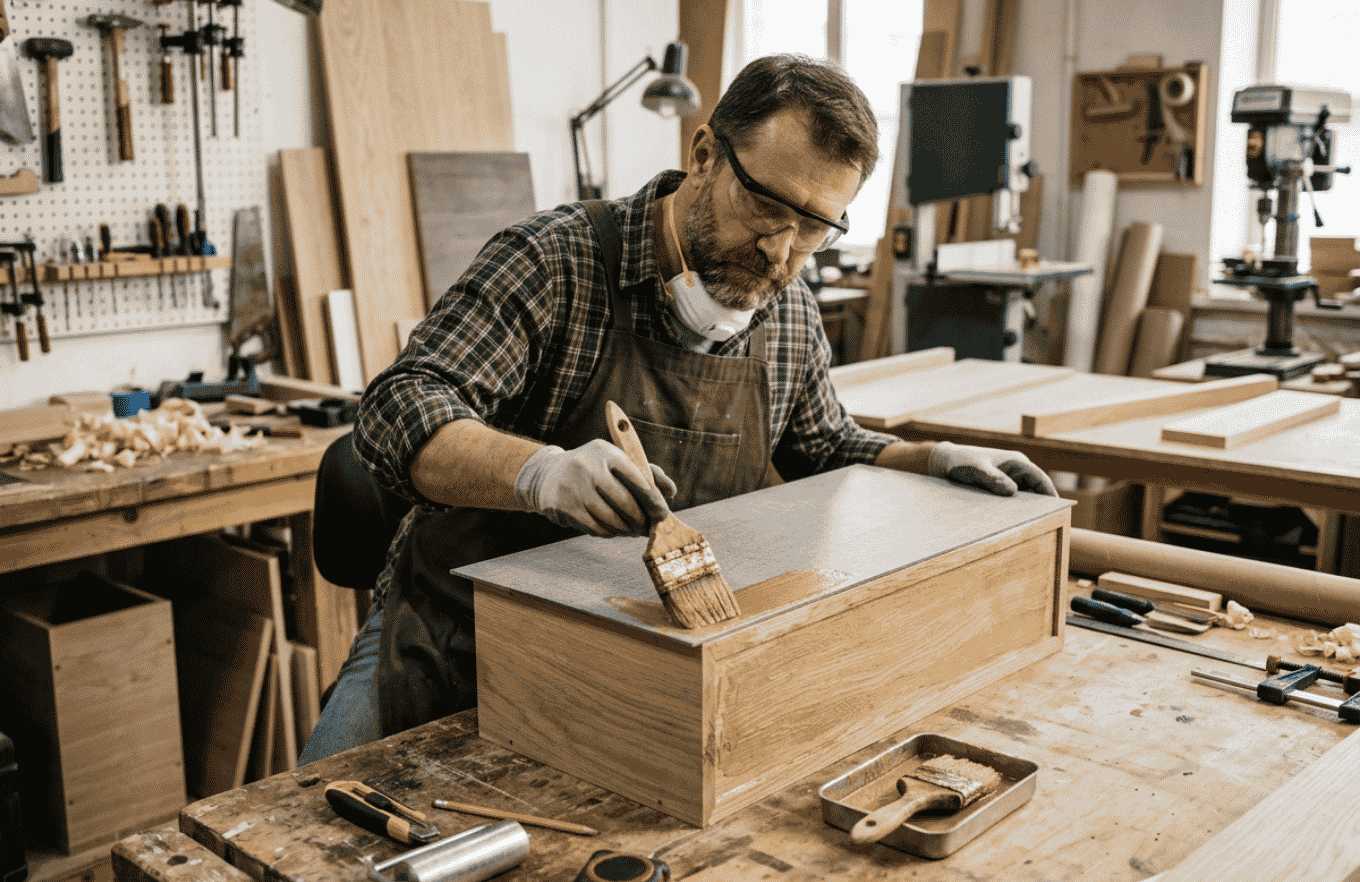
Furniture manufacturing relies heavily on strong and flexible bonding solutions. Rubber adhesives are commonly used to attach laminates, veneers, foam padding, and upholstery materials.
Furniture components often experience continuous stress during daily use. Rubber adhesives maintain strong bonding even when furniture frames expand, contract, or experience movement.
An established industrial adhesive manufacturer ensures that adhesives used in furniture production maintain long-lasting durability and consistent performance.
Footwear production is another industry where rubber adhesives play a critical role. Shoes require strong yet flexible bonding between soles, fabrics, and synthetic materials.
Rubber adhesives allow manufacturers to attach different layers of footwear materials securely without compromising comfort or flexibility.
Many footwear brands rely on manufacturers like Samad Adhesive to provide bonding solutions that maintain durability while supporting large-scale production demands.
Automotive manufacturing requires adhesives that can withstand vibration, temperature variation, and long-term wear.
Rubber adhesives are frequently used in automotive interiors to bond upholstery materials, insulation components, and interior panels. Their flexibility ensures components remain securely attached even when vehicles experience continuous movement and vibration.
This type of reliability makes rubber adhesives a trusted choice for manufacturers working in demanding automotive environments.
Textile manufacturing often involves bonding fabrics with foam, padding, or synthetic layers. Rubber adhesives provide a flexible bond that allows fabrics to retain their natural movement and softness.
In upholstery production, adhesives must maintain strength without making materials stiff or uncomfortable. Rubber adhesives offer the balance required for both durability and comfort.
Companies like Samad Adhesive develop adhesives specifically designed for textile bonding to ensure long-lasting results in upholstery and interior products.
Rubber adhesives are also widely used in interior construction applications. Laminates, decorative panels, and insulation materials require reliable bonding to maintain structural integrity.
Rubber adhesives provide strong adhesion to multiple surfaces while allowing for slight movement within construction materials. This flexibility prevents cracks or bonding failures over time.
An experienced industrial adhesive manufacturer plays an important role in ensuring adhesives used in construction meet safety and durability standards.

Manufacturers prefer rubber adhesives because they improve both product quality and production efficiency.
Key advantages include:
• Strong bonding performance across different materials
• Flexibility that prevents cracks and bonding failures
• Faster application that improves production speed
• Long-lasting durability in demanding environments
• Reliable performance across multiple industries
Businesses that partner with trusted manufacturers such as Samad Adhesive benefit from adhesives that are engineered to support consistent manufacturing operations.
Selecting the right adhesive supplier can significantly impact production quality and operational efficiency. Manufacturers must evaluate several factors before choosing a supplier.
First, product consistency is essential. Adhesives must perform the same way across different production batches.
Second, technical expertise matters. An experienced industrial adhesive manufacturer can recommend adhesive formulations suited to specific industrial requirements.
Third, reliability in supply is crucial. Manufacturing operations depend on uninterrupted material availability to maintain steady production cycles.
Organizations such as Samad Adhesive focus on delivering dependable adhesive solutions while maintaining strict quality standards for industrial clients.
Contact our experts today to explore advanced adhesive solutions that strengthen industrial bonding performance, improve production efficiency, and support long-term manufacturing reliability.
Industrial bonding technology has evolved significantly as manufacturing processes continue to advance. Rubber adhesive for industrial use remains a vital component in modern production environments due to its strength, flexibility, and compatibility with various materials. From furniture manufacturing to automotive interiors and textile production, these adhesives help industries maintain durable product structures while improving operational efficiency.
Businesses that collaborate with a reliable industrial adhesive manufacturer gain access to high-quality bonding solutions that support both product durability and production scalability. With the right adhesive technology and expert support from companies like Samad Adhesive, manufacturers can confidently build stronger products while maintaining consistent production standards.
Rubber adhesive for industrial use is widely used in furniture manufacturing, footwear production, automotive interiors, textile bonding, and construction applications.
Rubber adhesives provide flexible bonding, distribute stress evenly, and allow faster production compared to traditional fasteners like screws or nails.
Businesses should evaluate adhesive performance, manufacturing consistency, technical support, and supply reliability when selecting an industrial adhesive manufacturer.

.svg)