Modern manufacturing looks smooth on the outside, but anyone who has stepped onto a production floor knows the hidden mess behind it. Heat, pressure, vibration, and nonstop cycles constantly try to break down materials that are supposed to stay bonded together. This is where an industrial adhesive manufacturer quietly becomes the hero of the story. These manufacturers don’t just supply adhesives; they solve the kind of bonding issues that keep engineers awake at night.
Now it’s quite clear how rubber adhesive for industrial use steps in as one of the most dependable solutions for complex bonding jobs that demand lasting performance.
When industries face bonding failures, unpredictable curing, or materials that simply refuse to cooperate, companies like Samad Adhesive bring real solutions with formulas built to survive the toughest conditions.
Production lines rarely deal with perfect surfaces. Many manufacturers face materials that expand, contract, bend, or vibrate far more than expected. This movement creates micro-gaps that weaken traditional adhesives. An industrial adhesive manufacturer has to plan for this constant shift by designing adhesives that flex without giving up strength. Samad Adhesive has seen these issues repeatedly, especially in fast-moving industrial environments where every second counts. Their approach involves studying how rubber adhesive behaves when pressure and heat strike at the same time.
The secondary challenge is contamination. Factories are not sterile. Dust, moisture, and oils can settle on surfaces before application. When this happens, most adhesives lose grip. Rubber adhesive for industrial use is engineered to form a quick initial tack even in imperfect conditions, which is the only practical way to keep production running without repeated cleaning interruptions.
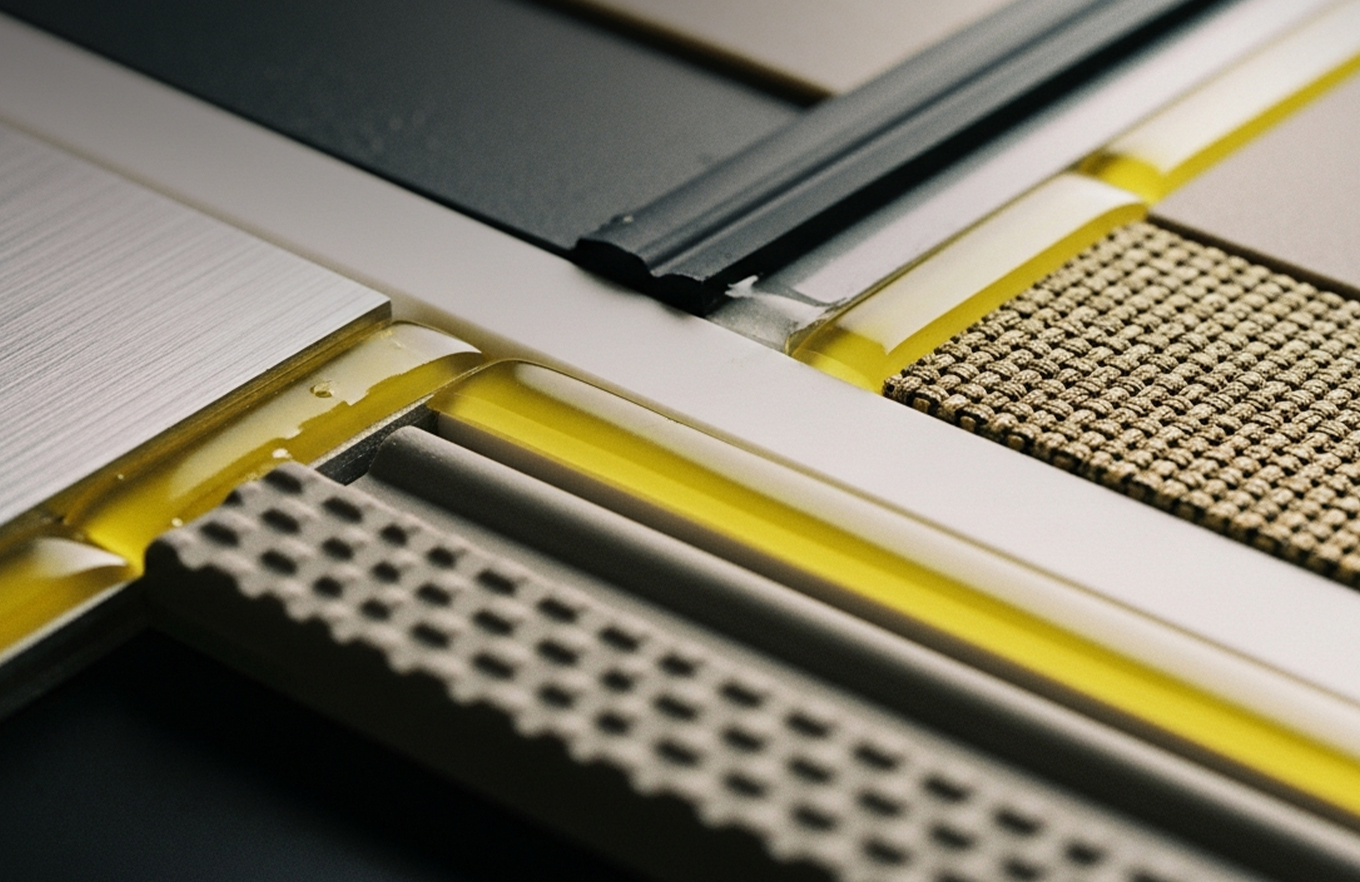
Some industries operate in environments where temperatures climb fast and stay there. Machinery warms up, metals expand, plastics soften, and yet the bond must hold. A reliable industrial adhesive manufacturer creates formulas that maintain bonding strength even when exposed to wide temperature fluctuations. Samad Adhesive uses carefully controlled polymers to keep their adhesives stable in both high-heat and low-heat cycles.
Rubber adhesive for industrial use is naturally resistant to sudden temperature swings, which makes it ideal for factories where downtime is not an option. Its elasticity helps it return to shape without losing adhesion, keeping joints secure even after thousands of cycles.
Heavy-duty machines vibrate like they have something to prove, and if an adhesive has weak shear strength, the bond collapses. This problem shows up often in automotive, machinery assembly, and metal fabrication. An industrial adhesive manufacturer has to anticipate that equipment may shake, impact, twist, and still function without failures
This is where rubber adhesive truly shines. Since it absorbs vibrations rather than fighting them, the bond remains secure under repeated stress. Samad Adhesive often incorporates this characteristic in its industrial solutions because it prevents parts from loosening over time.
Modern production rarely deals with just one material. Manufacturers bond metal to plastic, rubber to fabric, or composites to foam. Each material responds differently to heat, solvents, and pressure. That mismatch is what causes most adhesive failures.
An experienced industrial adhesive manufacturer approaches this issue by creating adhesives that perform well across varied surfaces. Rubber adhesive for industrial use is one of the strongest options for this because it grips smooth, rough, porous, and coated surfaces with ease.
Industries working with mixed materials often rely on Samad Adhesive when they need a formula that doesn’t peel off when the materials expand at different speeds. Their hybrid blends solve the everyday chaos that comes with multi-material production.
Imagine a production line where rubber sheets must bond with metal plates under high load. Standard adhesives begin failing within hours due to heat, vibration, and constant friction. After several shutdowns, the team switches to a rubber adhesive for industrial use developed by an industrial adhesive manufacturer experienced in high-stress bonding. Once applied, the problem stabilises almost immediately.
Samad Adhesive often shares stories like this, where their formulations stop recurring failures and restore workflow efficiency. These adhesives don’t just stick materials together; they solve costly industrial problems that slow down entire facilities.
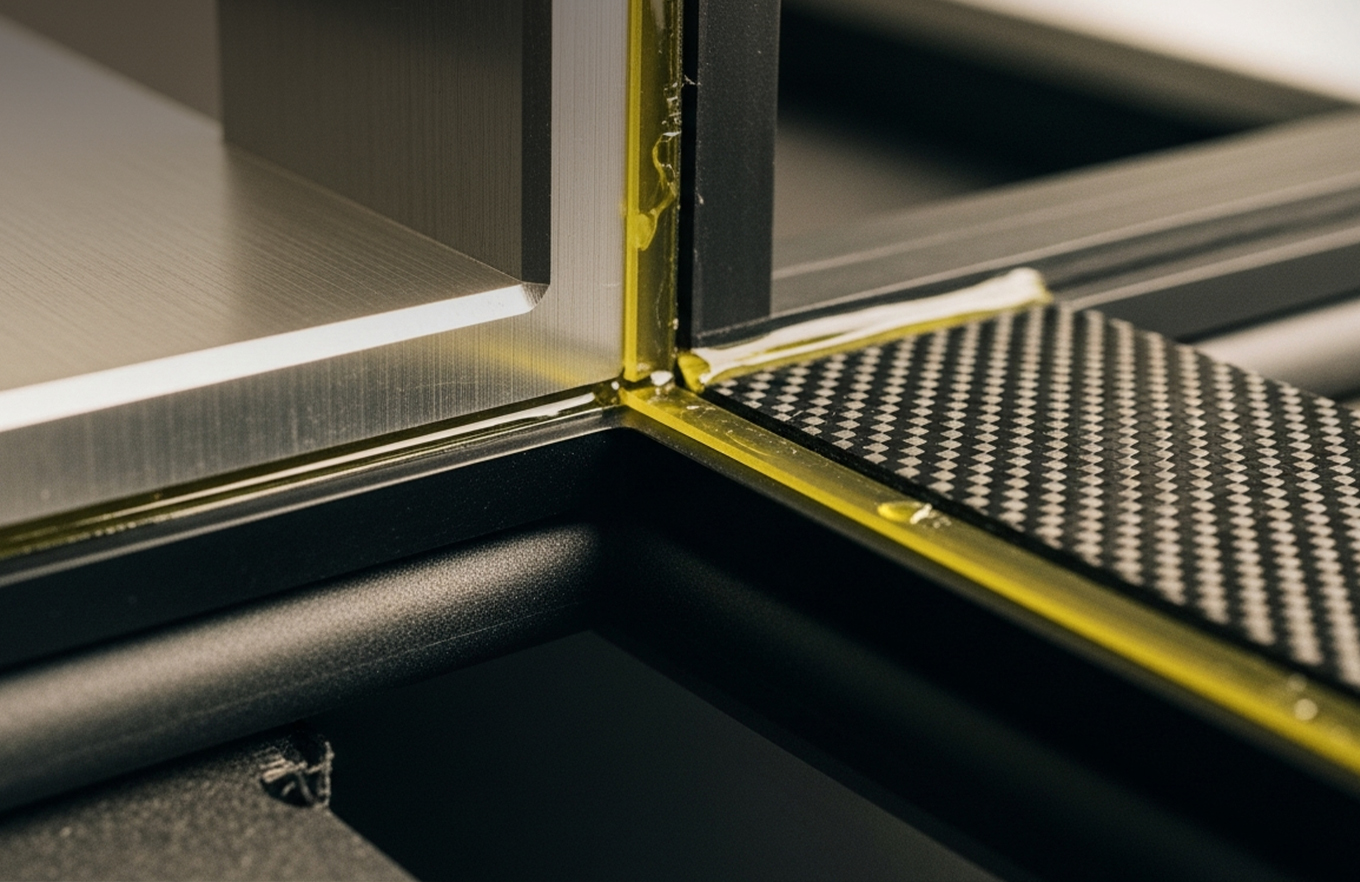
Industrial bonding isn’t guesswork. Adhesives are engineered with careful adjustments to polymer chains, viscosity, and tack levels. Manufacturers test each batch under stress simulations to ensure consistency. An industrial adhesive manufacturer with strong research capability understands how different industries push adhesives beyond normal limits.
Rubber adhesive for industrial use is designed with elasticity, heat resistance, and mechanical endurance in mind. These properties allow it to handle long-term stress in a way rigid adhesives simply can’t match.
Samad Adhesive focuses on blending performance with reliability. Their adhesives undergo repeated curing tests, peel tests, durability examinations, and heat cycling evaluations to ensure they deliver the same bond every time.
Industrial environments aren’t forgiving. Adhesives must work the first time and keep working for years. Rubber adhesive offers a dependable combination of flexibility, strength, and shock absorption. For manufacturers that want predictable performance in unpredictable conditions, this adhesive type becomes the natural choice.
Samad Adhesive remains a preferred partner because it understands these long-term challenges. Their experience as an industrial adhesive manufacturer helps them anticipate real-life problems before a product is even launched.
Contact our team today to get expert bonding support tailored to your toughest industrial challenges.
Industrial bonding challenges are real, and they affect production more than most people realise. From heat to vibration to mixed-material surfaces, every factor tests the strength of a bond. A capable industrial adhesive manufacturer studies these issues closely and creates a rubber adhesive for industrial use that keeps manufacturing stable even under unpredictable stress. With giants like Samad Adhesive leading innovation, industries can depend on adhesives that perform consistently and stand up to the harsh realities of modern production.
They address bonding failures caused by heat, vibration, movement, contamination, and mixed-material compatibility issues across production lines.
Yes, it is engineered to withstand temperature changes and maintain strong bonding even in continuous heat exposure.
It offers flexibility, shock absorption, long-term durability, and reliable performance on multiple materials commonly used in industrial environments.

.svg)