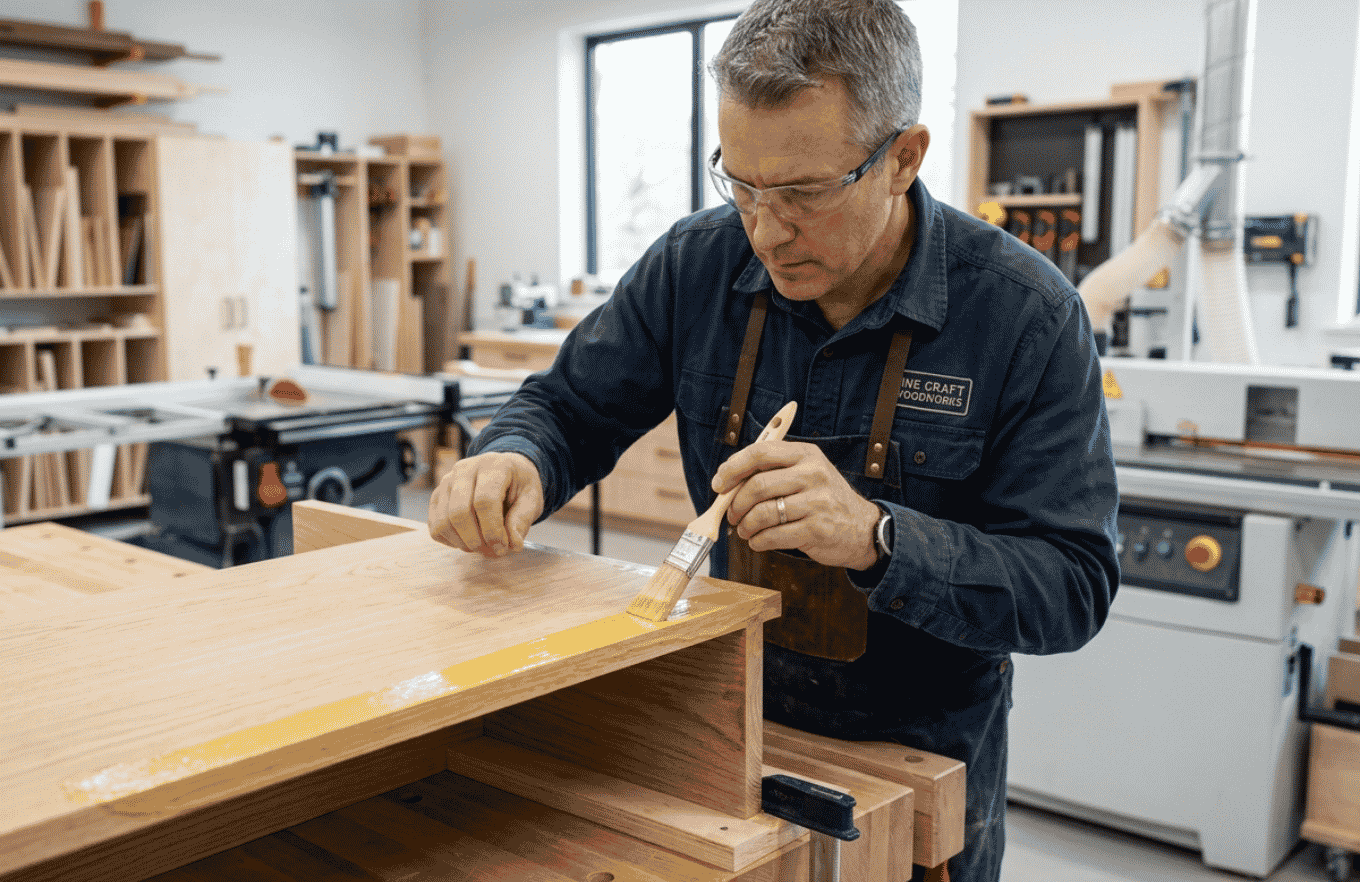
Industrial adhesives play a critical role in manufacturing, construction, furniture production, and repair industries where long-term bonding strength is essential. However, even the highest-quality formulations can lose effectiveness if not stored or handled properly. This is why understanding shelf life management is just as important as choosing the right adhesive product.
An experienced industrial adhesive manufacturer focuses not only on producing high-performance bonding solutions but also on ensuring users get maximum usability over time. Products like contact adhesive for furniture are widely used in the woodworking and upholstery industries, where consistency and durability matter.
One such reliable solution is Samad Bond 101, a polychloroprene-based adhesive known for superior bonding strength across furniture and industrial applications. It is trusted in both household and commercial environments due to its stability and long-lasting performance.
In this article, we explore practical, science-backed methods to extend adhesive shelf life while maintaining product efficiency and bonding quality.
Shelf life refers to the duration an adhesive remains usable without significant loss in performance. For manufacturers and end users alike, maintaining shelf stability ensures cost efficiency and consistent bonding results.
A professional industrial adhesive manufacturer designs products with controlled chemical stability, but external storage conditions still play a major role.
● Temperature fluctuations
● Exposure to moisture and humidity
● Air contamination after opening
● Improper sealing of containers
Improper handling can significantly reduce adhesive performance even before the expiry date.
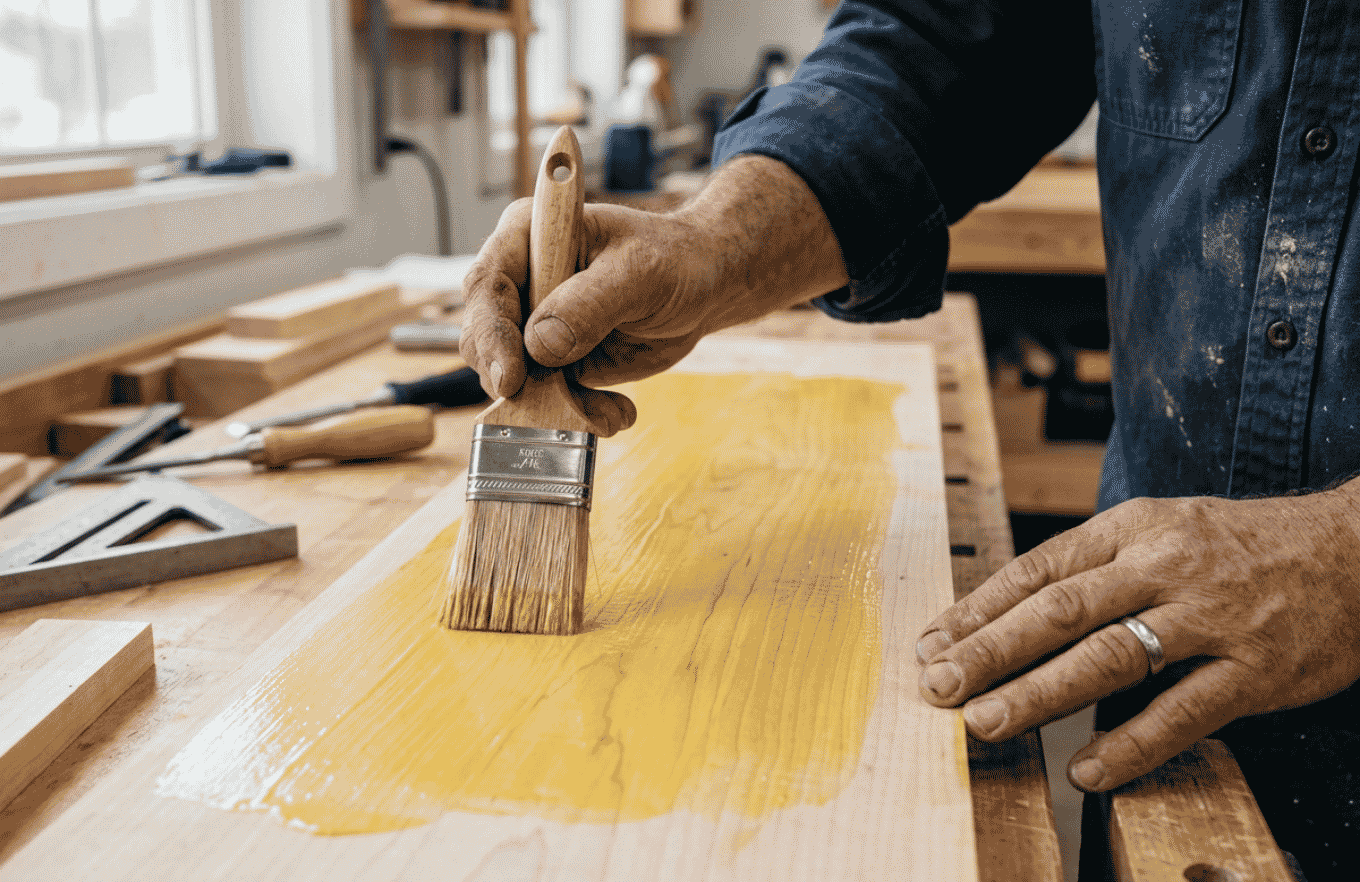
Storage is the most important factor in extending adhesive life. Even premium-grade products like Samad Bond 101 require controlled environments for optimal stability.
● Keep adhesives in cool, dry environments
● Avoid direct sunlight exposure
● Maintain a stable room temperature
● Store away from heat-generating equipment
Furthermore, temperature stability prevents premature chemical breakdown inside adhesive compounds.
Packaging is often overlooked but plays a major role in preserving adhesive quality.
● Always tightly seal containers after use
● Avoid leaving lids open for extended periods
● Transfer partially used adhesive into airtight containers if needed
Most importantly, exposure to air leads to solvent evaporation, which reduces bonding efficiency in products like contact adhesive for furniture.
Contact adhesives used in furniture manufacturing require extra care due to their chemical composition. These adhesives are widely used in wood laminates, upholstery, and panel bonding.
Samad Bond 101 is a strong example, formulated for superior adhesion while maintaining stability when stored correctly.
● High solvent content makes them sensitive to air exposure
● Bonding strength can be reduced if improperly stored
● Consistency is crucial for woodworking precision
Manufacturers recommend using only required quantities to avoid repeated container exposure.
From a manufacturing standpoint, adhesive stability depends on controlled formulation and packaging design.
● Use of stabilizing chemical agents
● Airtight, moisture-resistant packaging
● Controlled viscosity balancing
An experienced industrial adhesive manufacturer ensures adhesives remain stable under varied environmental conditions while maintaining performance consistency.
Even high-quality adhesives can degrade due to user handling errors.
● Leaving containers open after use
● Storing near heat sources or sunlight
● Mixing old and new adhesive batches
● Using contaminated tools during application
Moreover, such mistakes often lead to irreversible chemical changes in adhesives.
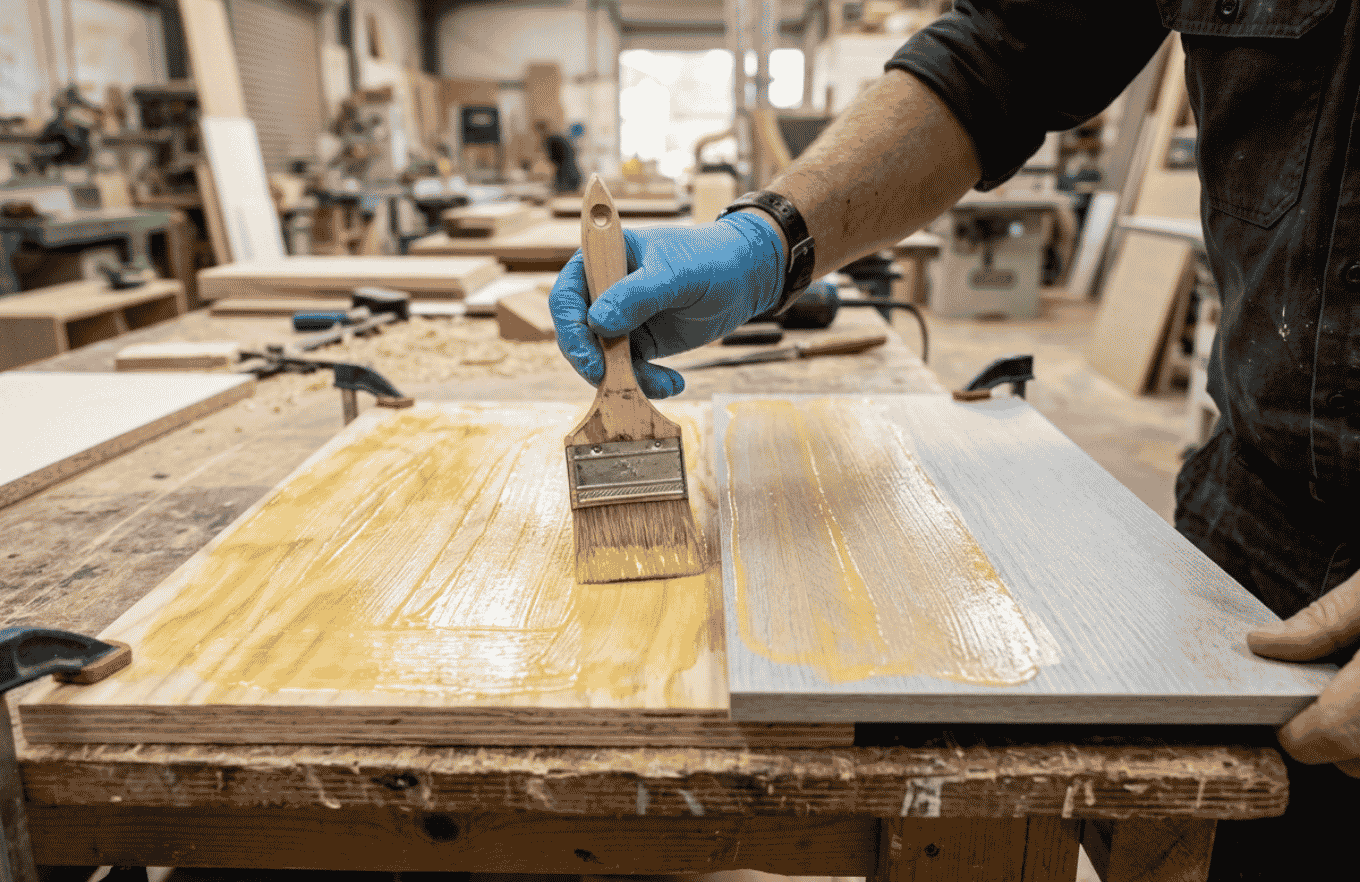
Proper handling ensures adhesives perform optimally throughout their usable life.
● Use clean applicators every time
● Close containers immediately after dispensing
● Avoid exposure to dust and moisture
● Follow the manufacturer's usage instructions strictly
Controlled usage improves consistency in bonding applications.
Samad Bond 101 is formulated using polychloroprene technology, making it highly reliable for furniture and industrial bonding applications.
● Strong bonding for wood, laminate, and upholstery
● Excellent resistance to environmental changes
● Long-lasting performance when stored correctly
● Trusted by professionals across industries
Most importantly, it maintains stability under proper storage conditions, making it a preferred contact adhesive for furniture manufacturing.
Extending adhesive shelf life is not only about product quality but also about proper handling, storage, and application practices. Even the most advanced formulations from an industrial adhesive manufacturer require responsible usage to maintain peak performance.
By following correct storage methods and avoiding common mistakes, users can significantly extend adhesive usability while ensuring consistent bonding strength. Products like Samad Bond 101 demonstrate how high-quality contact adhesive for furniture can maintain stability and performance when handled correctly.
Contact us today for expert industrial adhesive solutions, technical support, and high-performance bonding products tailored for furniture and manufacturing applications.
Shelf life depends on formulation and storage conditions, but most industrial adhesives last 6 to 24 months when stored properly.
Yes, but it must be tightly sealed and stored correctly to prevent solvent evaporation and performance loss.
Store in a cool, dry place away from sunlight, heat sources, and moisture to maintain chemical stability.


.svg)