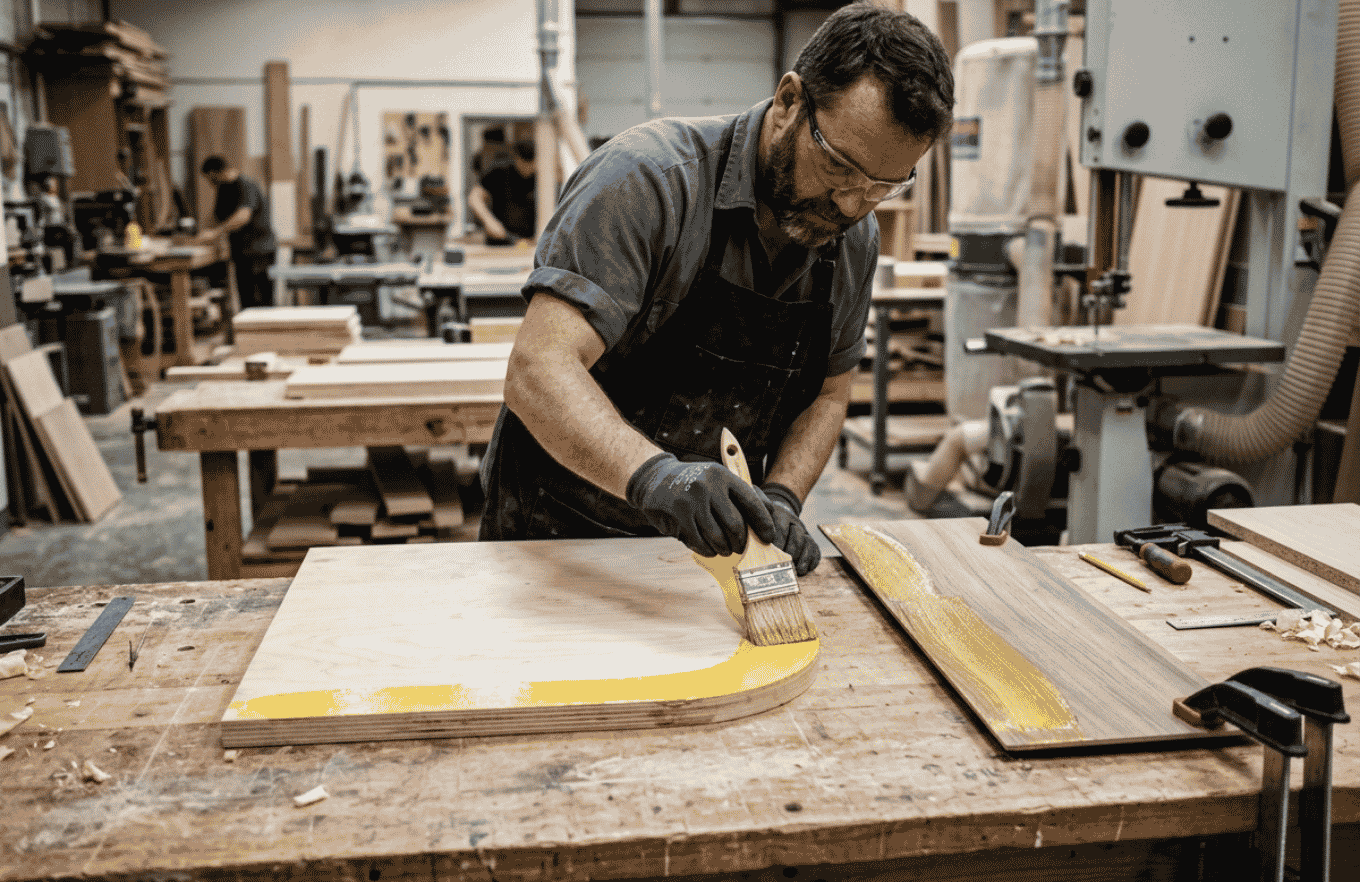
An industrial adhesive manufacturer plays an important role in modern production systems where mechanical fastening is no longer enough. From automotive assembly lines to construction materials and packaging systems, bonding technology has become a core part of manufacturing efficiency. Within this landscape, rubber adhesive for industrial use has gained strong importance due to its flexibility, durability, and ability to withstand stress under demanding conditions.
In today’s competitive environment, industries expect adhesives that not only bond materials but also improve productivity and reduce failure rates. An experienced industrial adhesive manufacturer understands these demands and designs solutions that perform consistently across different substrates and environmental conditions. Moreover, solutions like rubber adhesive for industrial use are now widely used in sectors requiring vibration resistance, heat stability, and long-term adhesion strength.
Furthermore, companies like Samad Adhesive have become part of this evolving landscape by offering practical and performance-driven bonding systems for industrial applications. This article explores how industrial adhesives are developed, what factors influence their performance, and how businesses can select the right solution for their needs.
An industrial adhesive manufacturer is not just a supplier but a solution provider that develops formulations based on industry-specific requirements. These manufacturers focus on chemistry, surface compatibility, and performance engineering.
● An experienced manufacturer typically focuses on:
● Developing high-strength bonding formulations
● Ensuring compatibility with multiple materials
● Improving heat, moisture, and chemical resistance
● Reducing curing time for faster production cycles
● Enhancing long-term durability under stress conditions
Moreover, rubber adhesive for industrial use is often designed with elasticity in mind, allowing bonded surfaces to move without cracking or separating.
Rubber-based adhesives are widely used because of their unique physical properties. Unlike rigid adhesives, they offer flexibility and shock absorption, which is essential in dynamic environments.
● High flexibility under mechanical stress
● Strong resistance to vibration and impact
● Excellent bonding on uneven surfaces
● Long-lasting performance in outdoor environments
● Reliable adhesion on metal, plastic, and composite materials
An industrial adhesive manufacturer carefully balances formulation strength and elasticity to ensure optimal performance. In many industries, Samad Adhesive Solutions is recognized for maintaining this balance effectively.
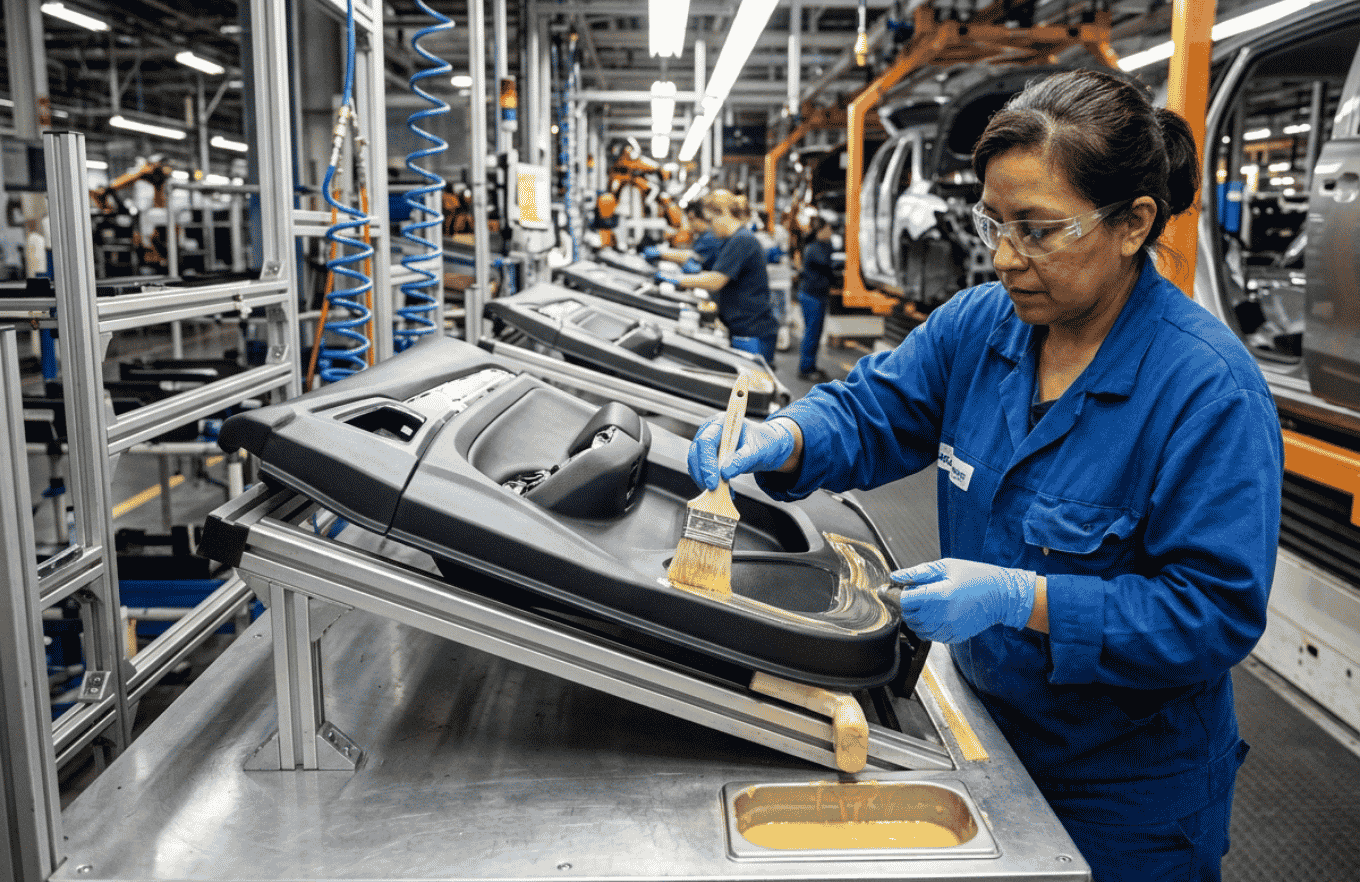
Rubber adhesive for industrial use is not limited to one industry. Its versatility makes it suitable for a wide range of applications.
In automotive manufacturing, adhesives are used for:
● Panel bonding
● Interior trim assembly
● Vibration-damping components
Furthermore, rubber-based adhesives help reduce noise and improve structural integrity.
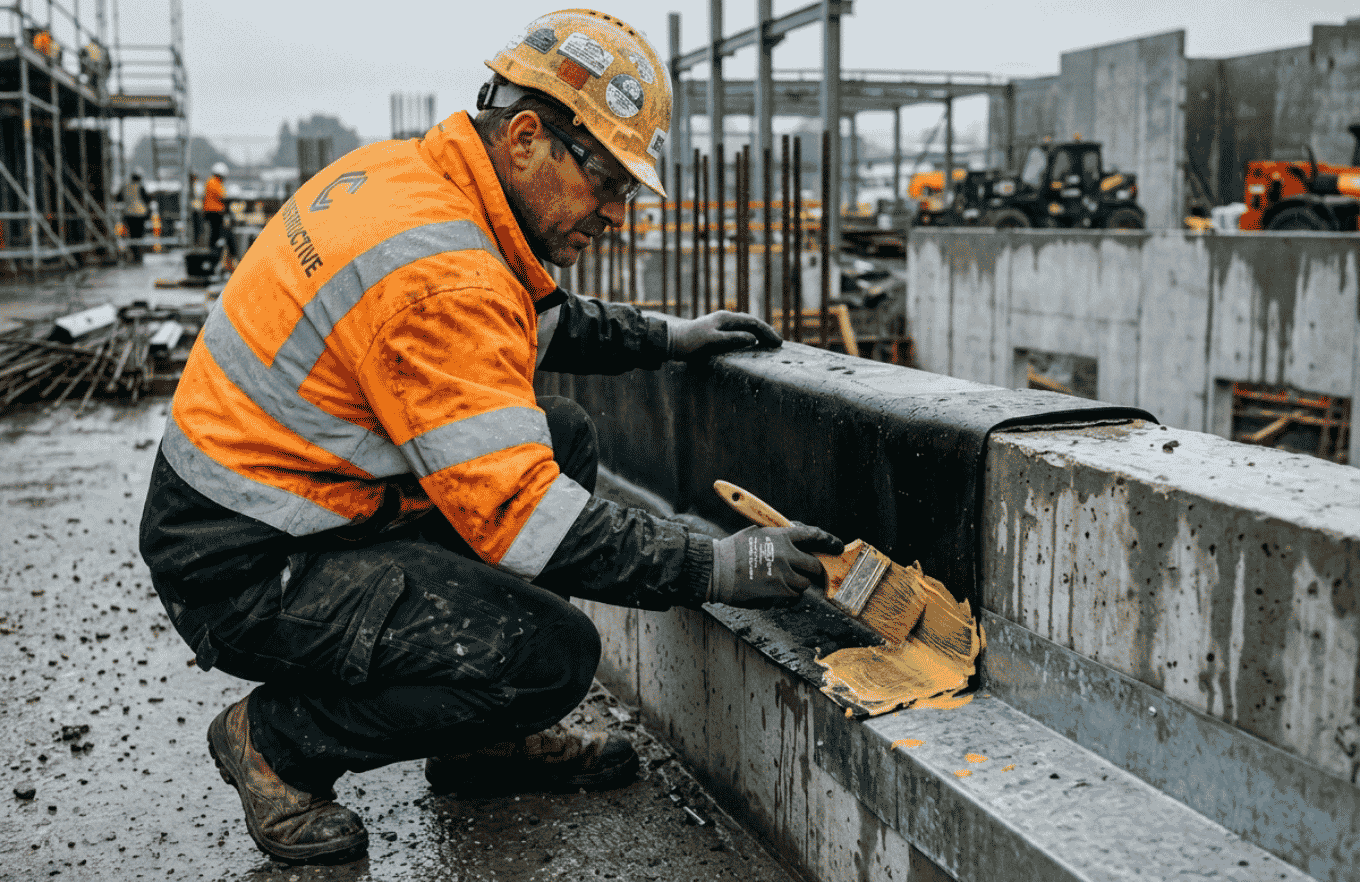
In construction, adhesives are used for:
● Flooring systems
● Panel installation
● Sealing joints and gaps
Moreover, durability under weather exposure is a key requirement here.
Furniture manufacturing relies heavily on bonding solutions. A reliable industrial adhesive manufacturer ensures adhesives that:
● Maintain wood integrity
● Provide clean bonding lines
● Reduce mechanical fastening needs
Choosing the right adhesive is not just about strength. Several technical factors determine performance quality.
Different materials require different adhesive chemistry. Rubber adhesive for industrial use must adapt to porous and non-porous surfaces.
Adhesives must withstand:
● Temperature fluctuations
● Moisture exposure
● Chemical contact
● UV radiation
Fast curing time and easy application methods improve production efficiency significantly.
Moreover, Samad Adhesive has focused on optimizing these factors to support industrial-scale operations.
Quality control is a major part of adhesive production. Every batch must meet strict performance standards.
Manufacturers typically conduct:
● Tensile strength tests
● Heat resistance tests
● Shear and peel strength analysis
● Long-term aging studies
Furthermore, rubber adhesive for industrial use is tested under simulated real-world conditions to ensure reliability.
Modern manufacturers invest heavily in R&D to:
● Improve bonding efficiency
● Reduce environmental impact
● Enhance safety standards
This continuous improvement ensures better product performance across industries.
Selecting the right partner is essential for consistent production quality.
● Proven industry experience
● Strong technical support system
● Product customization options
● Reliable supply chain
● Consistent product performance
Moreover, working with an established industrial adhesive manufacturer ensures long-term stability in production processes.
The adhesive industry is evolving rapidly with new technological advancements.
● Eco-friendly adhesive formulations
● High-performance hybrid adhesives
● Faster curing technologies
● Smart adhesives with adaptive properties
Furthermore, rubber adhesive for industrial use is expected to become even more efficient as material science advances.
Industrial bonding technology is no longer a supporting element but a core part of modern manufacturing. A reliable industrial adhesive manufacturer plays a vital role in ensuring product durability, efficiency, and performance. Rubber adhesive for industrial use continues to be one of the most versatile solutions across multiple sectors due to its flexibility and strength.
Moreover, companies like Samad Adhesive contribute to industry growth by providing dependable adhesive systems designed for real-world challenges. As industries continue to evolve, the demand for advanced bonding solutions will only increase.
Contact our team today to explore reliable adhesive solutions designed for industrial applications and improve your production performance with trusted bonding technology.
An industrial adhesive manufacturer develops bonding solutions designed for industrial applications requiring strength, flexibility, and long-term durability.
It is widely used in automotive, construction, furniture, and manufacturing industries for flexible and durable bonding.
Consider material compatibility, environmental conditions, curing time, and manufacturer reliability before selecting an adhesive solution.

.svg)