In modern manufacturing, selecting the right bonding solution can significantly impact production quality. Rubber adhesive for industrial use has emerged as a preferred option for industries dealing with diverse materials. From wood and metal to plastics and composites, manufacturers rely on adhesives that can handle complex applications without compromising strength or durability. Industrial adhesive manufacturers continuously innovate to meet these demands, ensuring that products stay reliable under pressure. Samad Adhesive, for example, has gained recognition for delivering consistent performance in multiple industrial environments. Choosing the right rubber adhesive ensures longevity, efficiency, and reduced operational downtime, a factor every modern facility must consider.
Not all adhesives bond equally with every material. Rubber adhesive for industrial use is versatile but reacts differently depending on the substrate. Wood tends to absorb adhesives, requiring formulations with higher viscosity to ensure a strong bond. Metals, on the other hand, demand adhesives that resist corrosion and temperature fluctuations. Plastics and composites pose another challenge as their nonporous surfaces require high-tack, fast-setting adhesives to prevent peeling or bubbling. By understanding these material-specific behaviors, industrial teams can select adhesives that maintain structural integrity over time. Samad Adhesive has fine-tuned its formulations to cater to these varying requirements, offering solutions that meet both household and industrial demands.

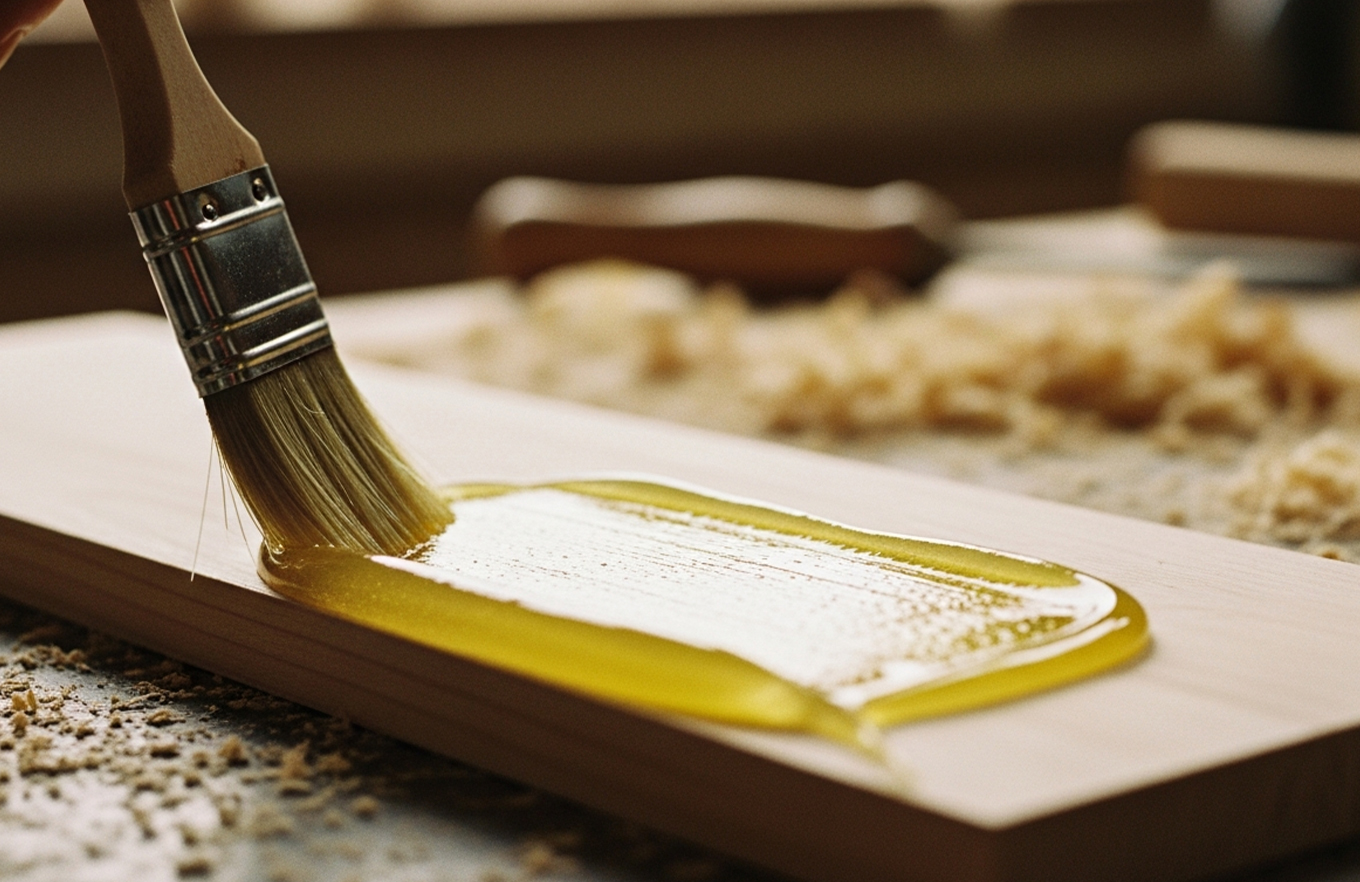
In woodworking and furniture manufacturing, a reliable adhesive can mean the difference between a sturdy product and one prone to failure. Rubber adhesive for industrial use excels in bonding timber sheets, laminated surfaces, and veneered panels. Its natural flexibility accommodates minor expansions or contractions in wood, preventing cracks or splits. Manufacturers, especially those sourcing from a trusted industrial adhesive manufacturer, report reduced assembly time and stronger joints when using high-quality rubber adhesives like Samad Adhesive. Even in high-humidity environments, certain rubber adhesives retain their bond strength, ensuring longevity for products that must endure daily wear.
Industrial applications involving metals demand adhesives that can withstand extreme conditions. Rubber adhesive for industrial use provides superior shear strength and resistance to vibration, making it ideal for metal assemblies in automotive, aerospace, and machinery sectors. Selecting the correct adhesive reduces the risk of component separation under stress. Industrial adhesive manufacturers continuously test adhesives like Samad Adhesive for high-temperature tolerance, chemical resistance, and load-bearing capabilities. This ensures that machinery, equipment, and metal structures maintain peak performance while minimizing repair and maintenance costs.
Plastics and composites are notoriously difficult to bond due to their low surface energy and flexibility. Specialized rubber adhesive for industrial use addresses these challenges by offering enhanced tack and curing properties that create a reliable, durable bond. Industrial adhesive manufacturers recommend surface preparation, such as light sanding or cleaning, to maximize adhesion. Samad Adhesive’s formulations have proven effective across different polymer types, including PVC, ABS, and polycarbonate, providing manufacturers with versatile solutions that reduce failures and improve production efficiency. For industries like electronics, automotive, and furniture, choosing the right adhesive can directly influence product quality and customer satisfaction.
Rubber adhesives provide several advantages across materials and applications. They offer flexibility, excellent adhesion to uneven surfaces, and shock absorption. They can also resist environmental stress, including temperature fluctuations and moisture exposure, which are common in industrial settings. Samad Adhesive has leveraged these properties to produce solutions that support everything from furniture assembly to complex machinery applications. Moreover, using a trusted industrial adhesive manufacturer ensures consistency, high performance, and adherence to industrial standards, reducing material wastage and improving production reliability.
Despite their versatility, improper selection of rubber adhesive for industrial use can lead to weak bonds, material damage, and operational delays. Common pitfalls include ignoring the material compatibility, using expired adhesives, or neglecting surface preparation. Industrial teams must consult with experienced manufacturers like Samad Adhesive, who provide guidance on choosing the right formula for specific materials and conditions. Skipping this step can lead to costly repairs, product recalls, and compromised safety in industrial settings.

Modern industrial adhesive manufacturers are investing heavily in R&D to improve rubber adhesives for industrial use. Innovations include faster curing times, enhanced temperature tolerance, and eco-friendly formulations. Samad Adhesive continues to lead in introducing adhesives that are both high-performing and safe for workers and the environment. These improvements have allowed manufacturers to expand applications and streamline production while maintaining product quality. Industrial sectors benefit from adhesives that are adaptable, reliable, and capable of meeting the demands of increasingly complex materials and structures.
The ultimate measure of a successful adhesive is its longevity. Rubber adhesive for industrial use must endure operational stress, environmental changes, and handling without degradation. By selecting products from a trusted industrial adhesive manufacturer and using proper application techniques, manufacturers can significantly extend product life. Samad Adhesive emphasizes proper curing, surface preparation, and material testing to guarantee that every bond performs as expected, reducing maintenance costs and ensuring end-user satisfaction.
Contact our experts today to find out about high-performance rubber adhesives tailored for your industrial applications efficiently.
Choosing the right rubber adhesive for industrial use is a critical decision that impacts production efficiency, product durability, and overall operational success. From wood to metal and plastic, understanding material compatibility, quality standards, and innovative solutions from top manufacturers like Samad Adhesive ensures reliable bonds and smoother industrial operations. By addressing both challenges and opportunities, businesses can leverage adhesives to improve performance and reduce costs while maintaining high-quality standards.
Rubber adhesive for industrial use is widely applied in furniture, automotive, aerospace, and electronics industries for strong, durable bonds across materials.
Consult an industrial adhesive manufacturer to assess material type, environmental conditions, and bond strength requirements to select the most suitable rubber adhesive.
Yes, Samad Adhesive offers tailored rubber adhesive formulations for different materials, ensuring compatibility, durability, and efficiency in industrial applications.

.svg)