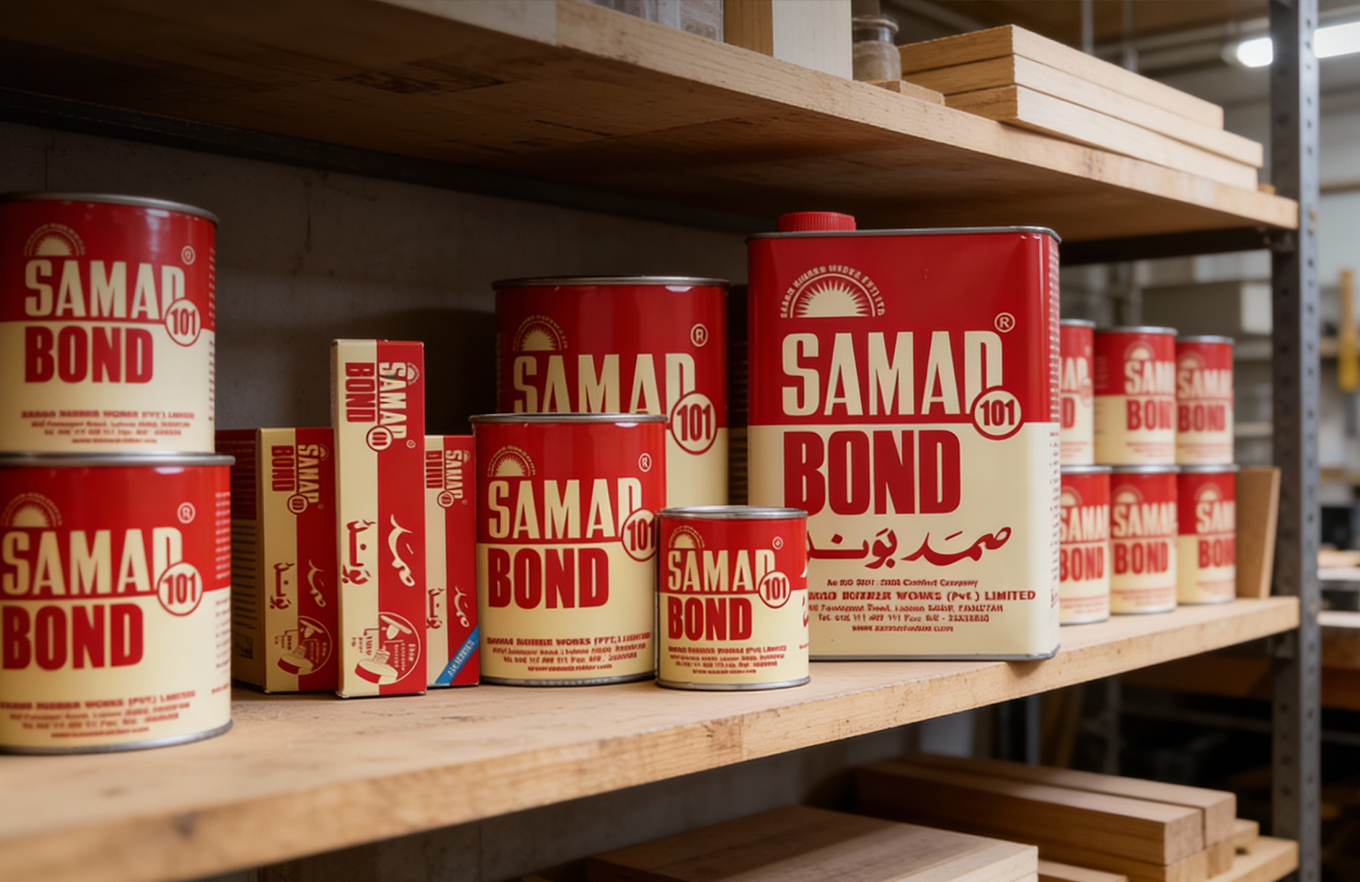
Storing and handling contact adhesive for furniture may sound like a simple task, but anyone in carpentry or upholstery knows how quickly the quality can drop when it is exposed to the wrong conditions. Poorly stored adhesive becomes thick, stringy, or completely unusable. It also affects the strength of the bond, which directly impacts the durability and finish of your furniture work.
Now, you might realize why understanding the basics matters, especially if you rely on a trusted furniture adhesive supplier in Pakistan or use industry-recognized products in your workshop. Getting the storage right protects performance, saves cost, and keeps your projects consistent.
Using professional products like Samad Adhesive helps, but even top adhesives need proper care. Whether you are a small workshop owner or someone managing a larger production facility, these simple habits can make a noticeable difference. The goal here is to keep things practical and genuinely helpful, so you know exactly what to do the moment you finish reading.
Storing contact adhesives is not just about keeping the container closed. Adhesives are sensitive to temperature, contamination, and air exposure. When any of these elements go unchecked, the formulation begins to break down. You might notice the texture thickening, the drying time slowing, or the adhesive failing to grip. For furniture makers, this is more than an inconvenience. A weak bond means weak joints, peeling edges, and reduced lifespan.
Even if you are buying from a reliable furniture adhesive supplier in Pakistan, the storage conditions you maintain after purchase matter just as much as the product quality. Companies like Samad Adhesive design their contact adhesives with durability, but no adhesive can survive careless handling. This is why getting familiar with proper storage gives you a clear advantage.
Temperature changes can affect how an adhesive behaves. Too much heat can cause premature thickening, and too much cold can reduce spreadability. Most manufacturers recommend keeping contact adhesives between moderate, stable temperatures to maintain viscosity.
When stored correctly, adhesives stay smooth, easy to spread, and reliable. Workshops that fluctuate between extreme heat in the afternoon and cold air at night often see their adhesive consistency changing. If you use a product like Samad Bond 101, you will notice that it performs best when kept away from harsh environments. The adhesive retains its grip strength, allowing furniture surfaces to bond cleanly without residue or bubbles.
Moisture can be one of the biggest threats to the performance of contact adhesives. Even though many adhesives are solvent-based, too much humidity can still alter the formulation. This may lead to clumping or the formation of skin on top of the adhesive.
Keeping your storage area dry is the simplest way to ensure long-term stability. Workshops situated near coastal regions or humid climates must pay attention. Proper ventilation, sealed cabinets, and airtight containers all help preserve the original texture of the adhesive.
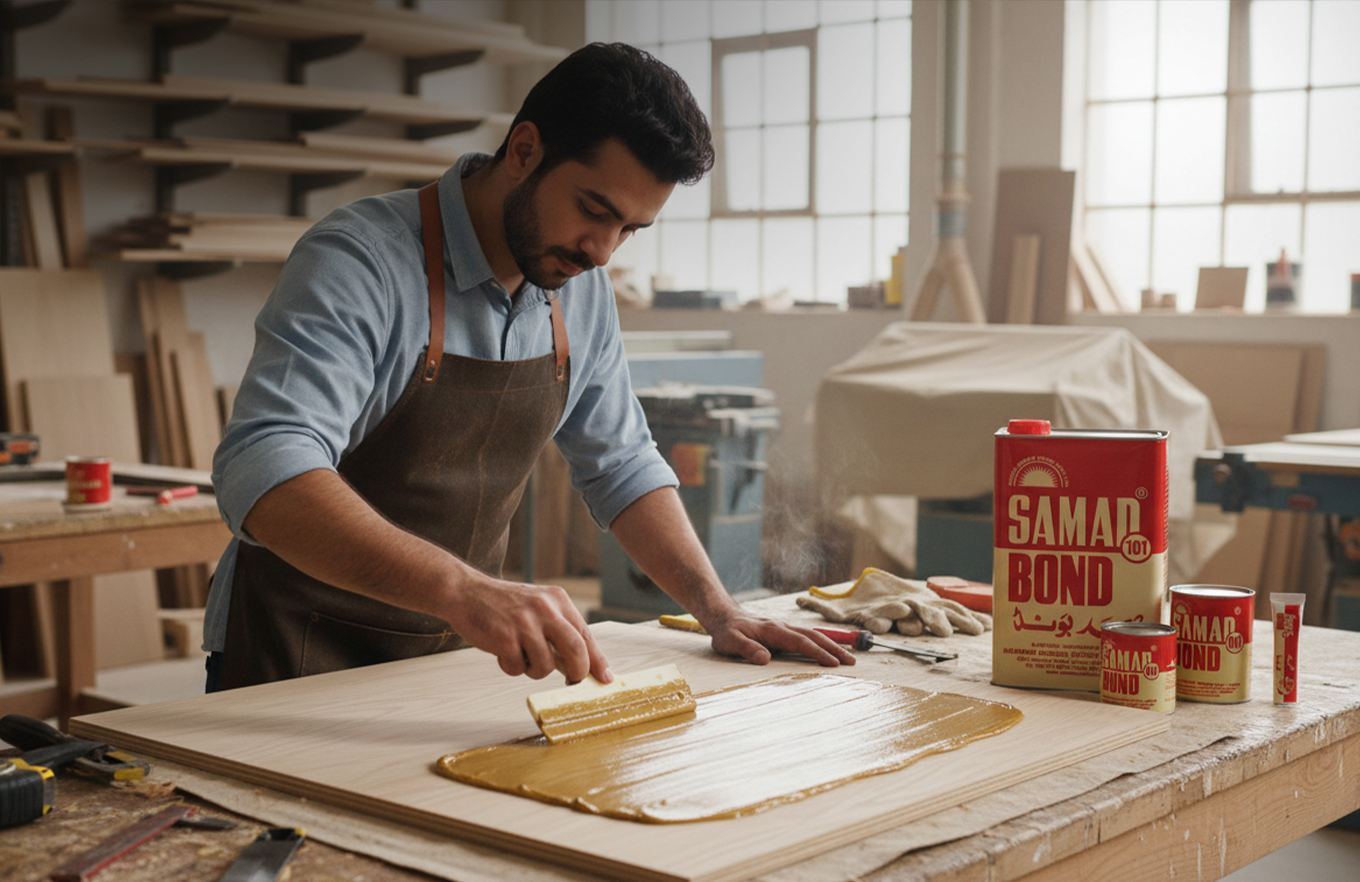
Handling goes beyond simply opening and closing the lid. The way you pour, distribute, and re-seal the container directly affects its lifespan. When the adhesive is exposed to too much air, oxidation begins. This is what causes the top layer to harden.
Using clean tools each time prevents contamination. Dust, sawdust, or small wood particles can enter the container and affect the texture. Professionals who rely on giants like Samad Adhesive often develop a routine: wipe the lid, reseal immediately, and never dip a dirty brush back into the container. Simple habits like these keep performance consistent.
Busy workshops deal with multiple materials at the same time, and contamination becomes easier than expected. If a bit of wood glue, polish, or thinner accidentally mixes with your contact adhesive, you may lose the product completely.
The easiest fix is also the simplest: designate one set of tools for adhesive use only. When you keep a clean, dedicated brush or applicator for contact adhesive, you reduce the chances of chemical mixing. This protects the adhesive quality and ensures smooth application on furniture surfaces.
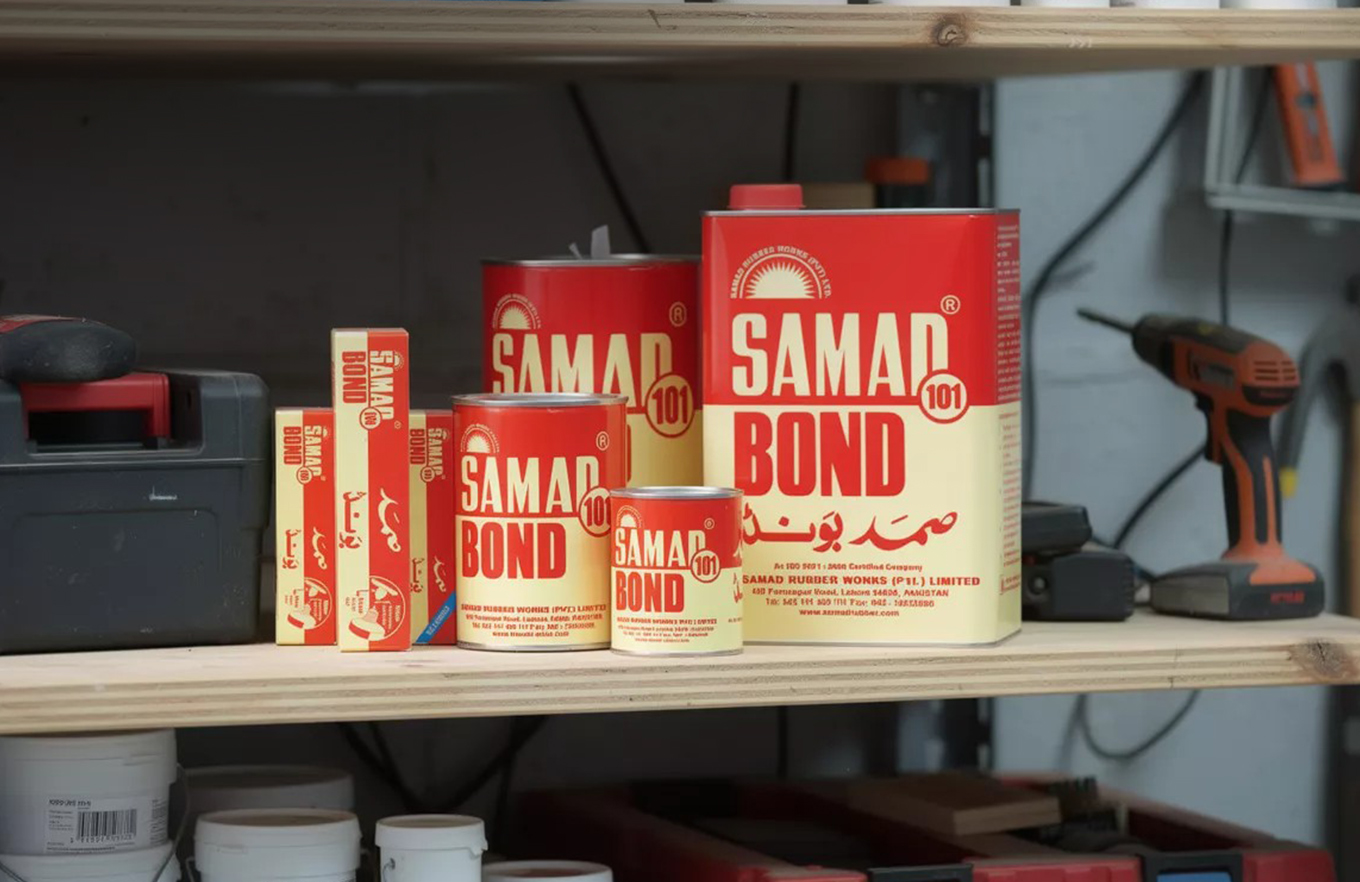
Every adhesive has a shelf life, even when stored perfectly. Knowing when the product expires helps you avoid using adhesive that has already lost its bonding strength. Expired adhesive can cause furniture panels to detach or edges to lift after a few months of use.
If you're purchasing in bulk from a furniture adhesive supplier in Pakistan, make sure you rotate your stock. Use the older containers first and store newer ones behind them. Even high-quality names like Samad Adhesive remain most effective when used within their recommended timeframe.
Workshops with high daily usage often go through adhesive quickly, but smaller workshops might keep containers for longer. The less frequently you use the product, the more attention you must give to storage. Adhesives sitting untouched for months should be inspected regularly for separation or surface thickening.
A quick stir can sometimes solve minor settling issues, but if the adhesive smells different or has turned rubbery, it is best not to risk it. Furniture quality depends heavily on the bonding strength, so using a compromised adhesive is never worth it.
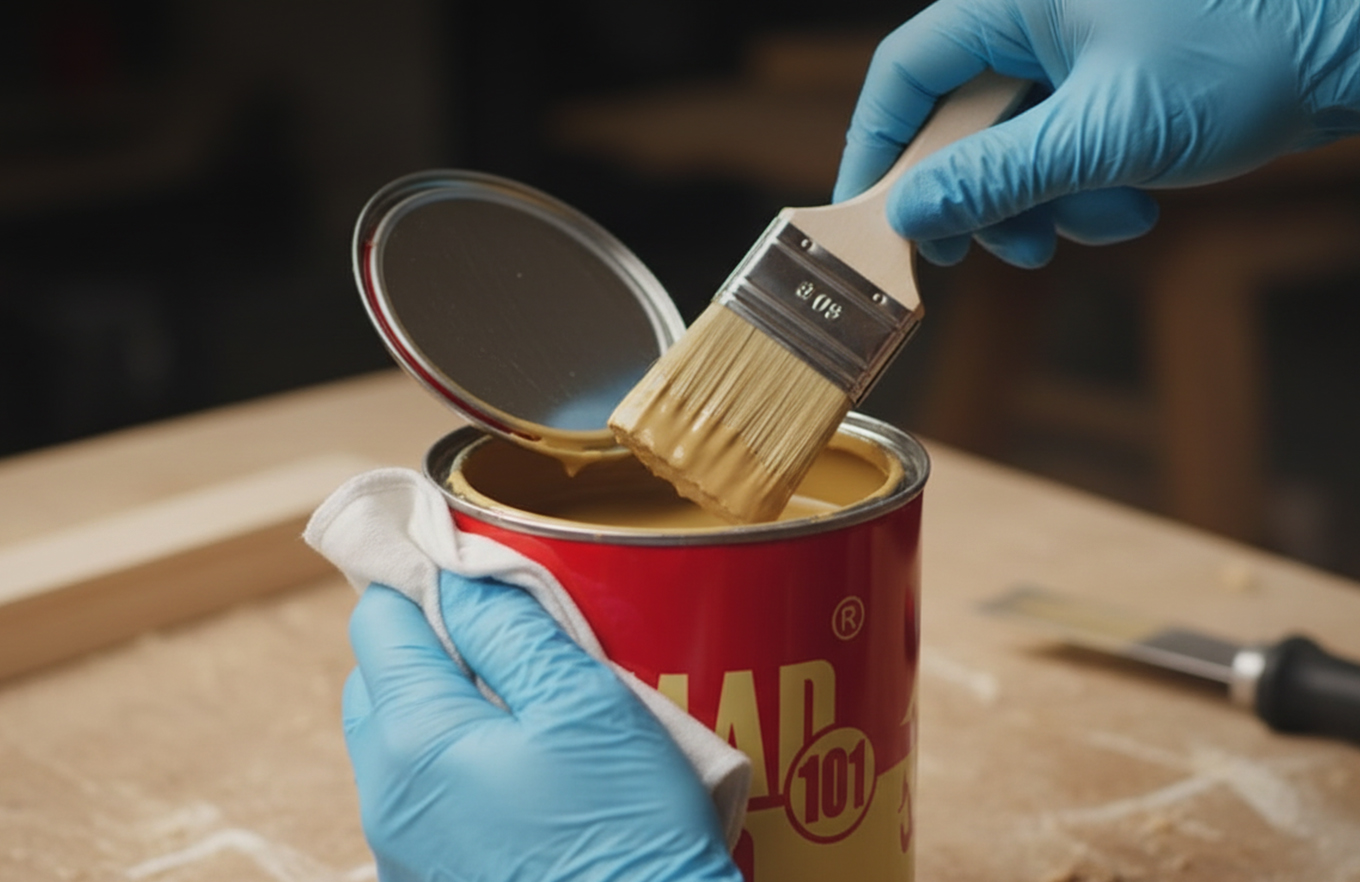
If you regularly transport adhesive between workshops or job sites, secure packaging becomes important. Rough handling, extreme temperature exposure, or leaving the adhesive in direct sunlight during travel can change its texture.
Keeping containers upright, shaded, and cushioned prevents unnecessary damage. Professionals often use insulated boxes to preserve adhesive quality while traveling long distances. This small effort keeps your contact adhesive fresh and ready for reliable performance on furniture projects.
For reliable bonding results every time, contact us today and get the best adhesive guidance and support.
Maintaining the quality of your contact adhesive is a small step that delivers big benefits in furniture work. Proper storage, careful handling, and a bit of awareness about your workshop conditions ensure that the adhesive performs the way it is meant to. Even when using trusted products like Samad Adhesive, your storage habits play a major role in preserving strength and consistency. When you manage your adhesive correctly, you protect the durability, finish, and reliability of every furniture piece you create.
Storing contact adhesive for furniture in a cool, dry, and airtight environment helps maintain long-term quality and prevents thickening or contamination.
Yes, when contact adhesive for furniture is exposed to heat, air, or moisture, the bonding strength drops and may lead to weak furniture joints.
You can check the condition by observing the texture, smell, and spreadability. Fresh contact adhesive for furniture remains smooth and applies evenly without forming clumps.


.svg)