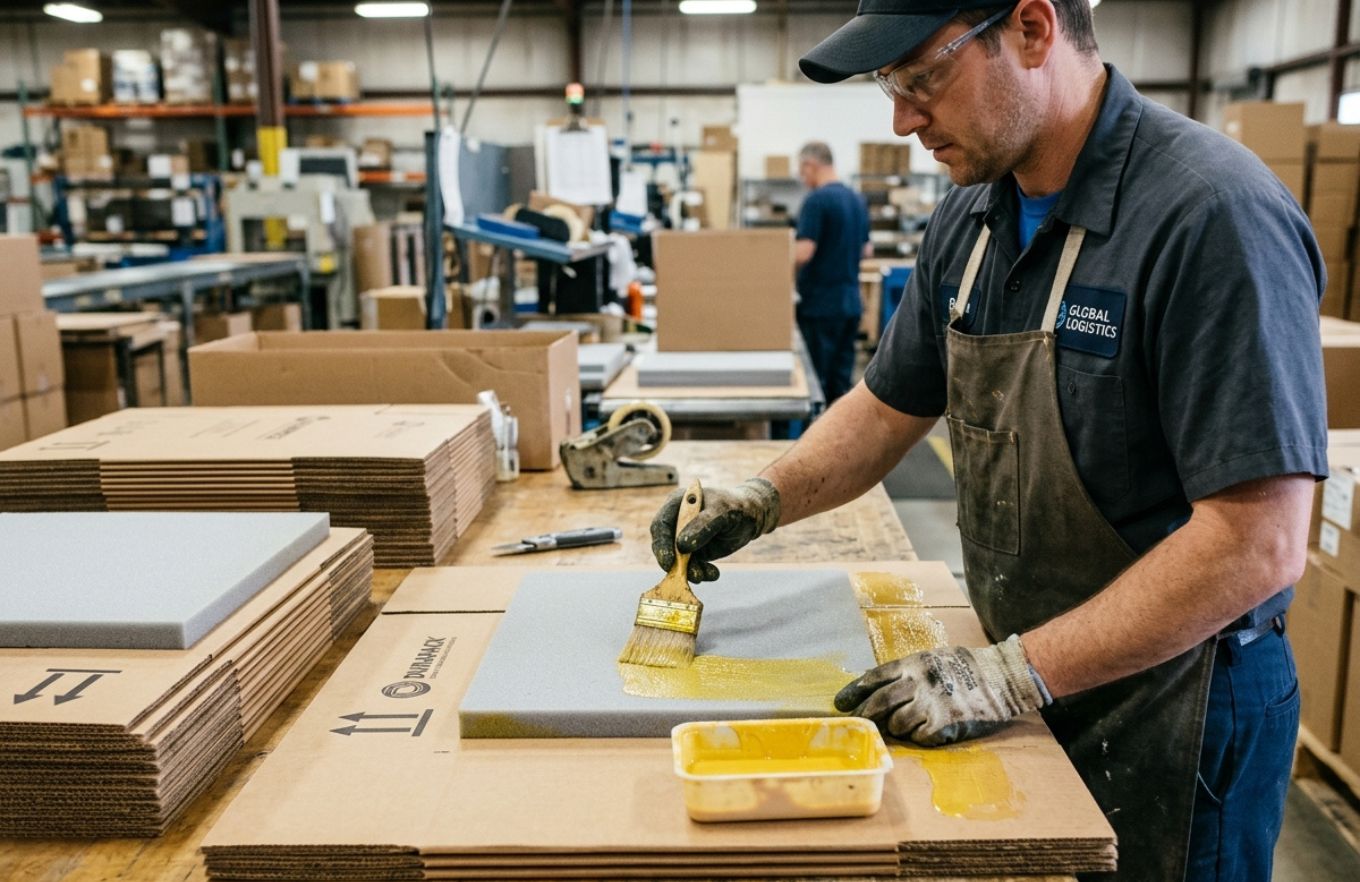
A strong bond can make the difference between a product that lasts for years and one that fails before its time. Across industries, manufacturers constantly search for bonding solutions that offer durability, flexibility, and production efficiency without adding unnecessary complexity to operations.
That is why rubber adhesive for industrial use continues to gain attention in manufacturing environments where traditional fastening methods often fall short. Unlike mechanical fasteners that can weaken materials or welding methods that require specialized equipment, rubber-based adhesives provide reliable bonding while preserving material integrity.
From automotive components to furniture manufacturing, these adhesives have become an essential part of modern production processes. In this blog, we are going to explore seven practical applications where rubber adhesives consistently outperform alternative bonding methods and why industries continue to rely on them for long-term performance.
Manufacturers today need more than just adhesion. They require solutions that can withstand vibration, temperature changes, movement, and daily wear without compromising structural integrity.
An experienced industrial adhesive manufacturer understands that industrial environments demand flexibility alongside strength. Rubber adhesives offer a unique balance of both, making them suitable for applications where rigid bonding systems may fail over time.
Some of the key advantages include:
● Excellent flexibility under stress
● Strong adhesion across multiple materials
● Reduced material damage
● Faster application processes
● Improved vibration resistance
● Long-term durability
These benefits explain why rubber-based bonding systems continue to replace screws, rivets, and other traditional fastening methods in many industries.
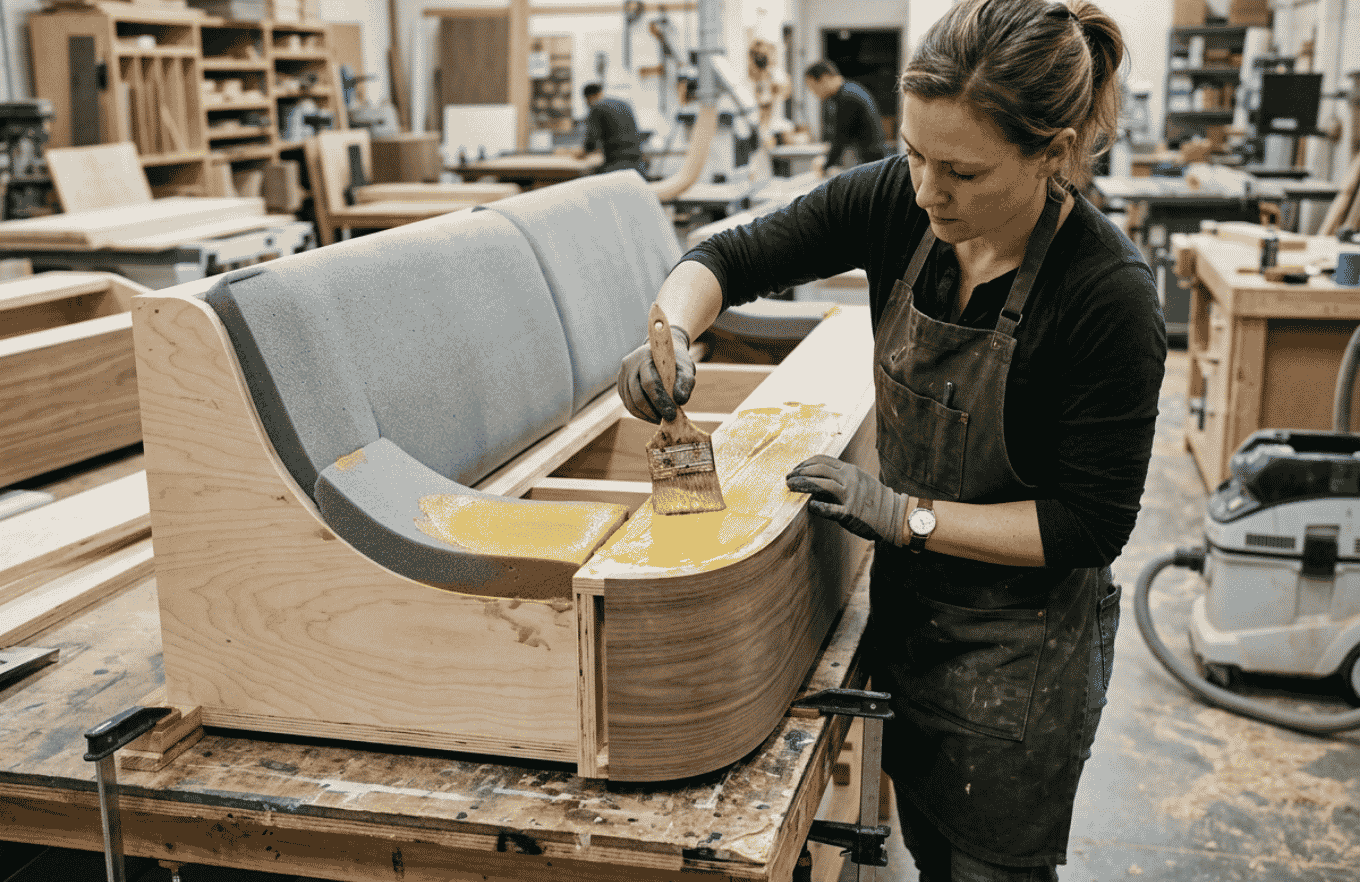
Furniture production relies heavily on strong and durable bonds between wood, laminates, foam, and decorative materials.
Traditional screws and nails can leave visible marks and create stress points within materials. Rubber adhesives distribute bonding force more evenly across surfaces.
Because adhesives remain hidden within the structure, manufacturers can achieve cleaner and more attractive furniture designs.
Many furniture producers working with an industrial adhesive manufacturer prefer adhesive bonding because it enhances both aesthetics and durability.
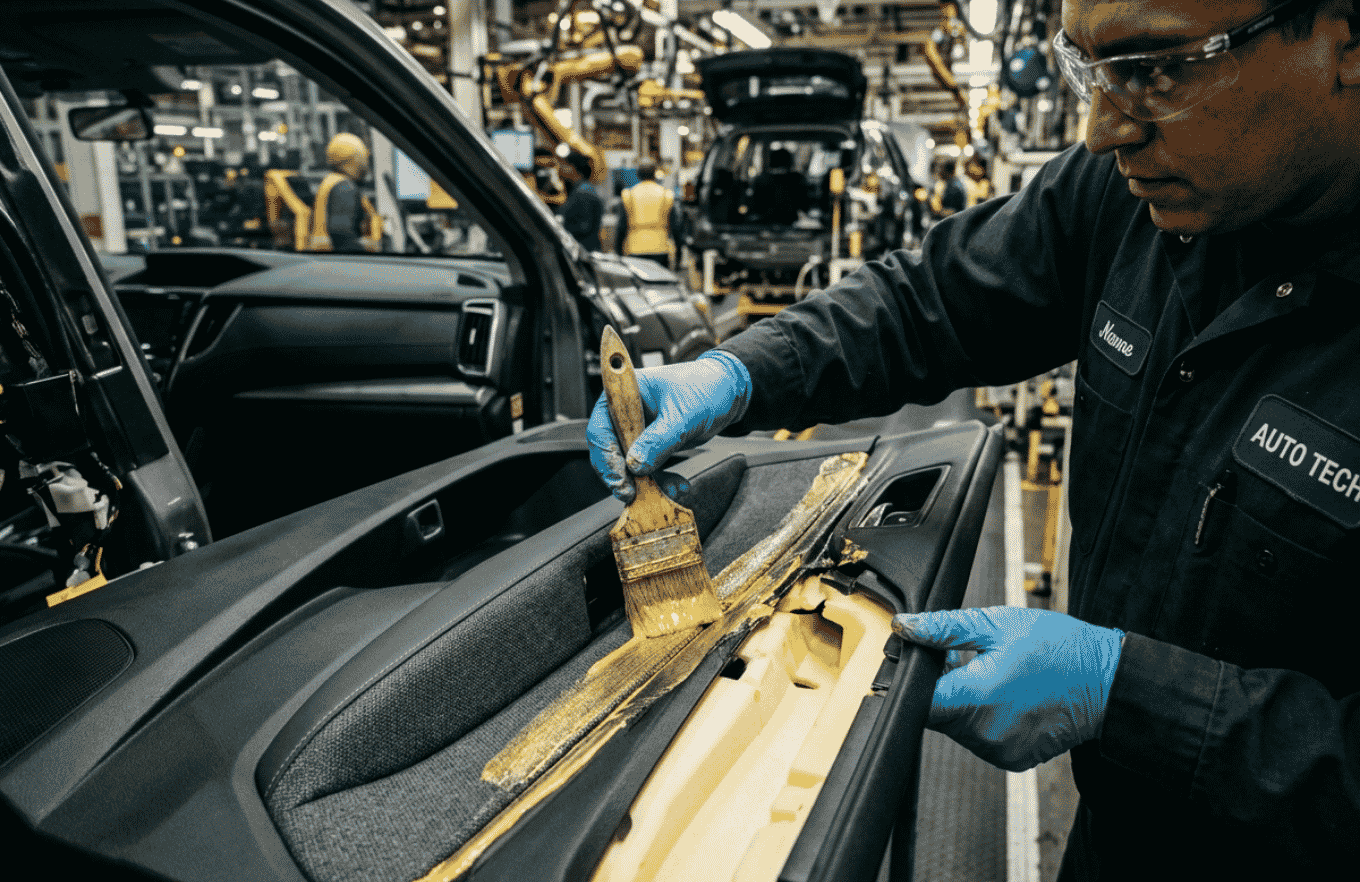
Vehicle interiors contain numerous bonded materials, including fabrics, plastics, foams, and rubber components.
Vehicles experience constant movement and vibration. Rigid fastening systems may loosen over time.
Rubber adhesives maintain flexibility while keeping components securely attached, reducing rattling and component failure.
Using adhesives instead of metal fasteners helps reduce vehicle weight, supporting fuel efficiency goals.
Footwear production is one of the most demanding bonding environments due to constant movement and repeated stress.
Shoe soles bend thousands of times throughout their lifespan. Rubber adhesives allow this movement without compromising bond strength.
Brands working with Samad Adhesive often prioritize products that maintain adhesion under demanding usage conditions.
A strong adhesive bond helps reduce sole separation and improves overall product quality.
Modern upholstery products combine multiple materials that require strong yet flexible bonding.
Rubber adhesives create durable bonds between foam layers and upholstery fabrics without affecting comfort.
Unlike stitching or mechanical fasteners, adhesive bonding creates seamless appearances that enhance product presentation.
Furthermore, adhesive application can speed up production processes compared to traditional assembly techniques.
Maintenance teams frequently need fast and dependable solutions for equipment repairs.
Rubber adhesives can often be applied quickly without extensive equipment shutdowns.
They effectively bond:
● Rubber
● Metal
● Plastic
● Fabric
● Composite materials
This versatility makes them valuable for maintenance operations across multiple industries.
Industrial packaging must remain secure throughout storage, transportation, and handling.
Rubber adhesives contribute to packaging durability by maintaining flexibility under pressure.
Packaging manufacturers frequently use adhesive systems to bond protective layers without increasing package weight.
Companies seeking consistent packaging performance often collaborate with a trusted industrial adhesive manufacturer to ensure quality results.
Construction materials are often exposed to changing environmental conditions.
Buildings naturally expand and contract due to temperature fluctuations.
Rubber adhesives accommodate this movement better than rigid fastening methods.
Strong adhesive systems help maintain structural integrity while minimizing stress concentrations within bonded materials.
Most importantly, they provide flexibility that many conventional bonding solutions simply cannot match.
Not every application requires maximum rigidity. In many cases, flexibility becomes equally important.
Welding can create heat distortion and material damage. Adhesive bonding avoids these issues entirely.
Mechanical fasteners require drilling holes that may weaken materials.
Rubber adhesives:
● Preserve material integrity
● Reduce stress concentrations
● Improve aesthetics
● Lower assembly complexity
● Support faster production
These benefits continue driving adoption across manufacturing sectors.
The effectiveness of any bonding solution depends heavily on product quality and technical expertise.
A reliable industrial adhesive manufacturer offers more than products alone. Manufacturers also benefit from:
Expert guidance helps optimize application methods and production efficiency.
Reliable formulations ensure repeatable performance across production batches.
Industry leaders often rely on solutions from Samad Adhesive because consistency remains essential in large-scale manufacturing operations.
Manufacturing continues evolving toward lighter, stronger, and more efficient products.
As a result, adhesive technologies are becoming increasingly important in production environments. Products developed by Samad Adhesive help manufacturers achieve stronger bonds while maintaining flexibility and operational efficiency.
Moreover, modern adhesive systems support sustainability goals by reducing material waste and simplifying assembly processes.
Whether used in furniture, footwear, automotive applications, or industrial maintenance, rubber adhesives continue proving their value where traditional bonding methods struggle to keep pace.
The advantages of rubber adhesive for industrial use extend far beyond simple bonding. Its flexibility, durability, vibration resistance, and compatibility with multiple materials make it an ideal solution across diverse industries.
From furniture and footwear to automotive manufacturing and industrial maintenance, rubber adhesives consistently outperform traditional fastening methods in applications where movement, stress, and long-term reliability matter most.
By partnering with an experienced supplier and selecting high-quality solutions from trusted names like Samad Adhesive, manufacturers can improve product performance, streamline production, and achieve lasting results.
Contact our adhesive specialists today for expert guidance on selecting high-performance industrial bonding solutions tailored to your manufacturing requirements.
Rubber adhesive for industrial use provides flexibility, reduces material damage, improves appearance, and distributes stress more evenly than screws or rivets.
Furniture, automotive, footwear, textile manufacturing, packaging, maintenance, and construction industries frequently rely on rubber adhesive bonding solutions.
Look for manufacturers with proven technical expertise, consistent product quality, industry experience, and strong customer support to ensure reliable bonding performance.

.svg)