If you work in furniture production, you already know that adhesives can make or break the outcome. Every workshop has its own routine, but there is always room to sharpen the process. As a furniture adhesive supplier in Pakistan, the patterns we see across workshops, small and large, tell us that bonding quality usually comes down to a handful of habits that shape efficiency. Once you understand how these habits influence your output, it becomes easier to adjust your workflow without turning everything upside down. This is where Samad Adhesive often steps in, helping teams refine techniques and choose better products, especially with premium solutions like Samad Bond 101 that support stronger and cleaner production results.
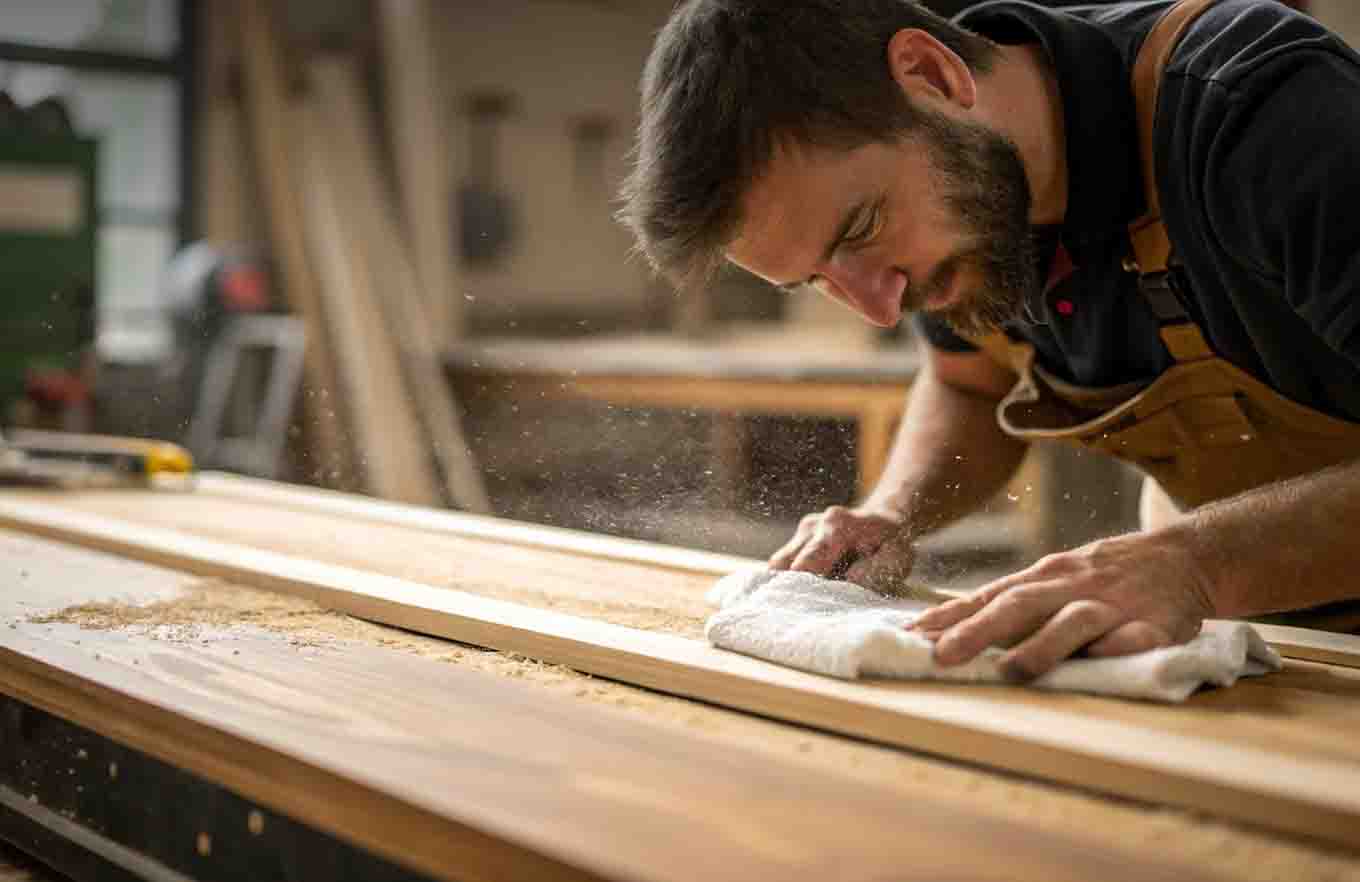
Clean surfaces may sound obvious, but most bonding failures start right here. Dust, polish residue, wood oils, and leftover particles block penetration and make even a high-performance contact adhesive less effective. Workshops sometimes underestimate how much adhesive strength depends on prep work. Before applying Samad Bond 101 or any similar product, take a moment to properly prepare the surface. You’ll notice that a cleaner base reduces adhesive consumption and improves long-term grip. Samad Adhesive has seen many producers revamp results simply by giving this step an extra 20 seconds. It’s a small tweak with big gains in consistency and durability.
A common issue in faster-paced workshops is not allowing enough flash-off time. When you cut corners here, the bonding layer becomes weak and uneven. As a furniture adhesive supplier in Pakistan, we see this mistake in both small carpentry units and large-scale factories. The adhesive needs a brief window to release its solvents and settle. Samad Bond 101, made with polychloroprene for superior bonding, performs best when this step is followed carefully. If you let the surface become slightly tacky before joining pieces, the bond becomes stronger and much more resistant to pressure. Give it patience, and you’ll get performance in return.
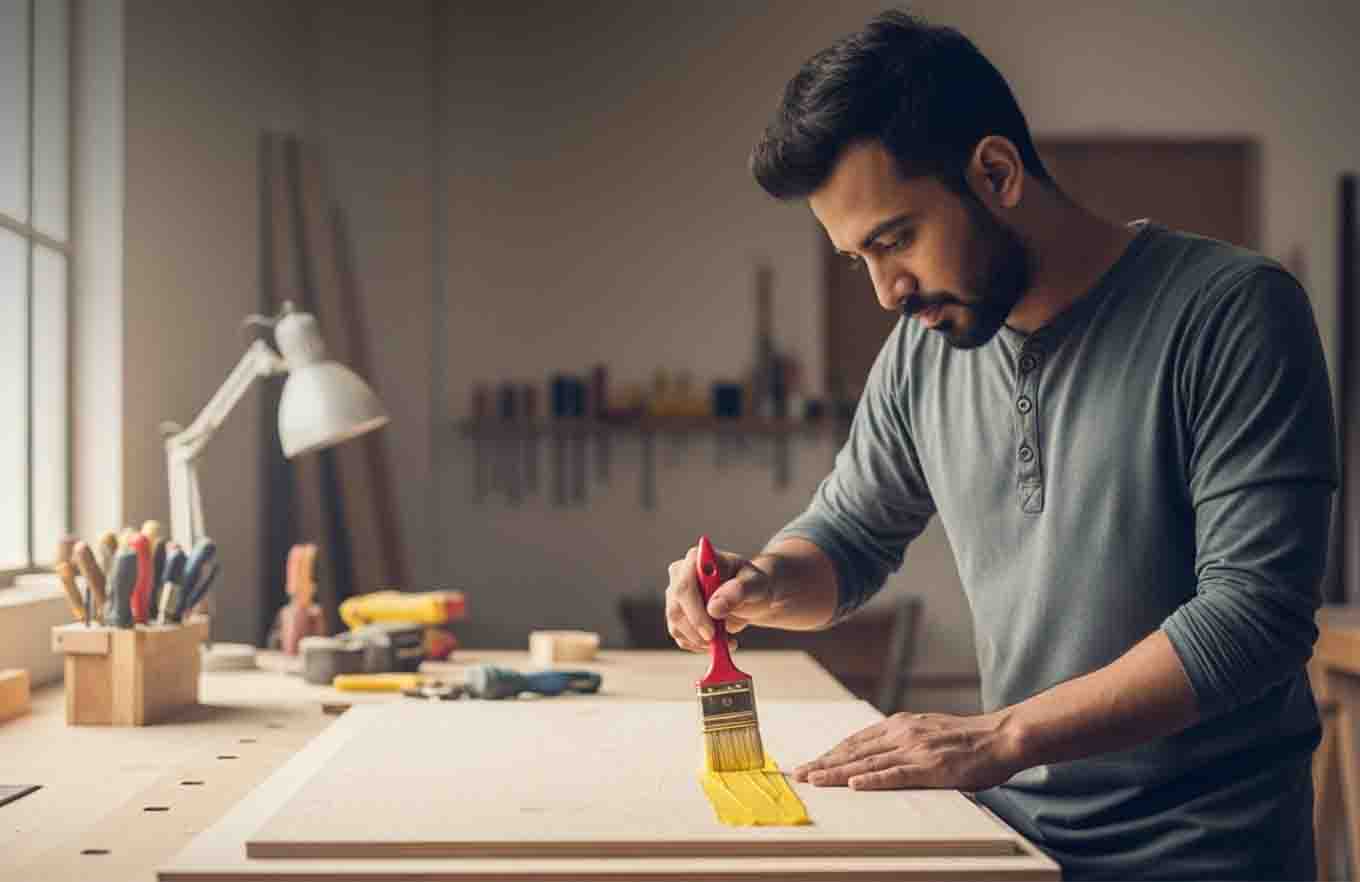
Uneven adhesive layers lead to unpredictable results. Some spots cling well, others fail early, and this inconsistency becomes visible in final furniture finishes. One thing Samad Adhesive often highlights during factory assessments is the need for a controlled spread. The goal is a thin, uniform coat, especially when using premium contact options like Samad Bond. It helps improve coverage and reduces wastage. This small change is particularly useful when you’re working with hardwoods or laminated surfaces that demand uniform pressure distribution. A smooth layer equals smooth results, and consistency is something clients always notice in the final product.
Environmental changes affect how adhesives behave. High humidity slows curing, while extreme heat causes faster solvent evaporation. As a furniture adhesive supplier in Pakistan, we often see workshops treat adhesives like they’re unaffected by climate, which leads to unpredictable bonding. Adhesives thrive in stable conditions. If you’re storing Samad Bond or applying it during peak summer hours, keep it away from direct heat. When the workshop environment is controlled, bonding becomes more reliable, and drying time becomes predictable. Even slight changes improve workflow and keep production running smoothly without unnecessary rework.
One mistake that quietly affects production efficiency is using the wrong adhesive grade for different materials. A one-size-fits-all approach rarely works in furniture making. As a trusted name, Samad Adhesive often consults workshops on choosing the right product because it directly affects the final strength. For example, Samad Bond 101 stands out because it’s designed for contact adhesion in furniture settings and delivers superior performance thanks to its polychloroprene base. Using a product built for the specific job simplifies assembly and improves quality. When you match the adhesive to the material, your output becomes more professional, cleaner, and more durable.
These hacks look simple on the surface, but they are based on patterns observed across countless carpentry units, furniture factories, and interior workshops. When applied consistently, they reduce errors, strengthen bonds, and eliminate unnecessary steps. Following them also makes adhesives like Samad Bond perform closer to their true potential. The entire point is to work smarter, not harder, and to remove inefficiencies that quietly disrupt your production line. Mastering these habits builds long-term consistency, which is what clients value the most.
Contact us today to get expert bonding guidance and the right adhesive solutions for your workshop.
Good furniture production relies on both technique and the right adhesive partner. These five hacks are simple but powerful, and they can transform how your workshop operates. When you combine these habits with dependable options like Samad Bond, you get cleaner results, fewer failures, and stronger long-term performance. Whether you run a small carpentry shop or a growing production line, taking adhesive use seriously pays off in reliability and reputation.
A reliable supplier offers consistent quality, practical guidance, and adhesives like Samad Bond that support strong and durable bonding for different materials.
Samad Bond works well for contact bonding and wood-based assembly, and its polychloroprene formula helps ensure long-term strength across a range of furniture applications.
Yes, temperature and humidity can influence drying time, strength, and efficiency, which is why stable workshop conditions are ideal for using products like Samad Bond.

.svg)