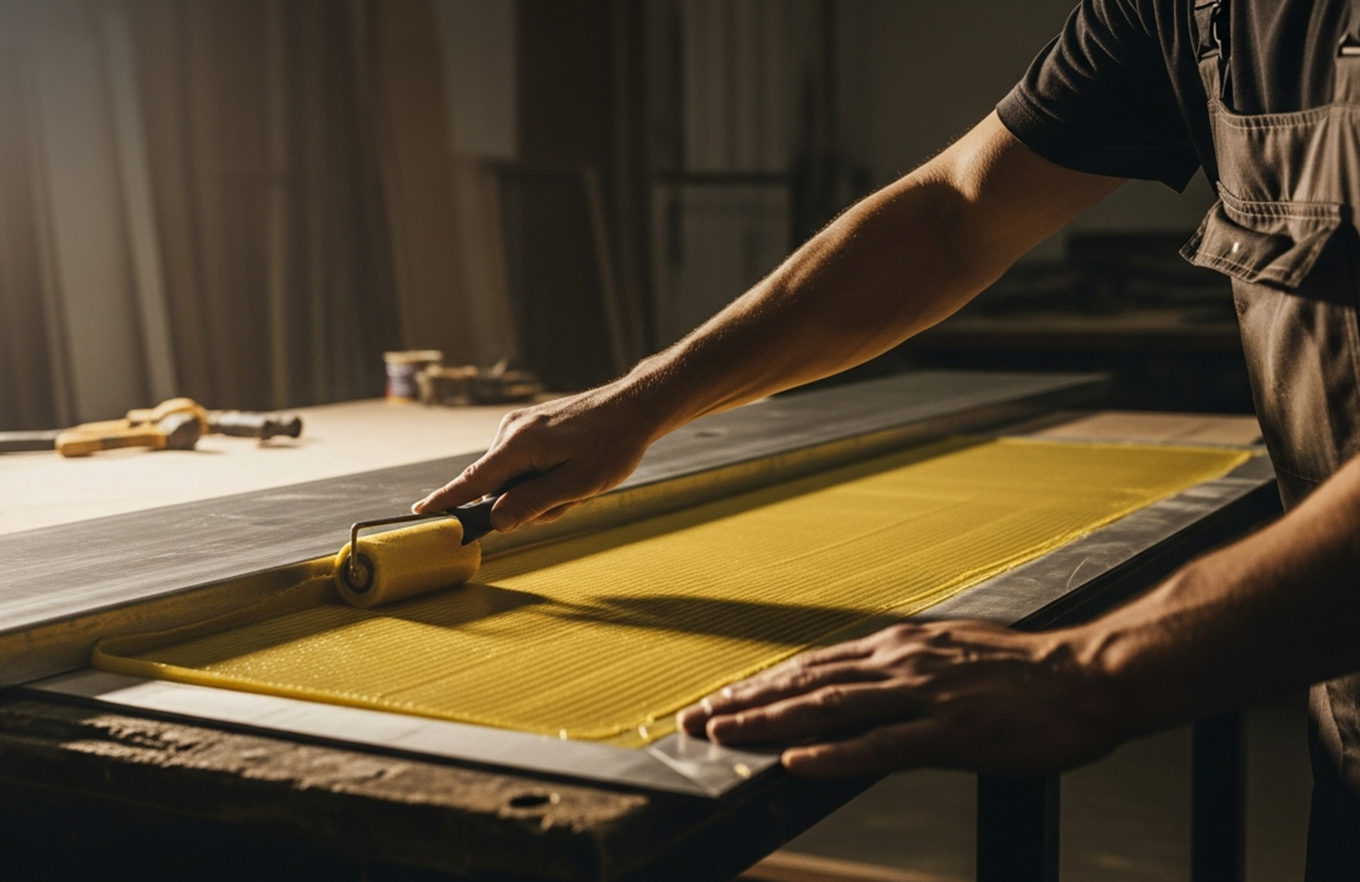
When it comes to industrial projects, few things are as critical as choosing the right adhesive and using it correctly. An industrial adhesive manufacturer like Samad Adhesive consistently observes that many issues in production and repair stem from simple mistakes in bonding practices. From improper surface preparation to ignoring recommended curing times, even minor missteps can compromise the strength and durability of a bond. By understanding these pitfalls, manufacturers and hobbyists alike can achieve stronger results with less waste. For example, using rubber adhesive for industrial use without considering material compatibility often leads to bond failures, costing time and money.
Proper handling, storage, and application are all essential, and this guide will walk you through the five habits that you should avoid to maintain quality and efficiency on every project.
One of the most common mistakes an industrial adhesive manufacturer notices is skipping or rushing surface preparation. No matter how strong your adhesive is, it cannot compensate for dirt, oil, or moisture on the surfaces you’re bonding. When using rubber adhesive for industrial use, even small particles can prevent a secure hold. Samad Adhesive emphasizes that taking a few extra minutes to clean and slightly roughen surfaces can dramatically increase adhesion strength. This practice not only prevents failures but also reduces the need for rework, saving both materials and labor.
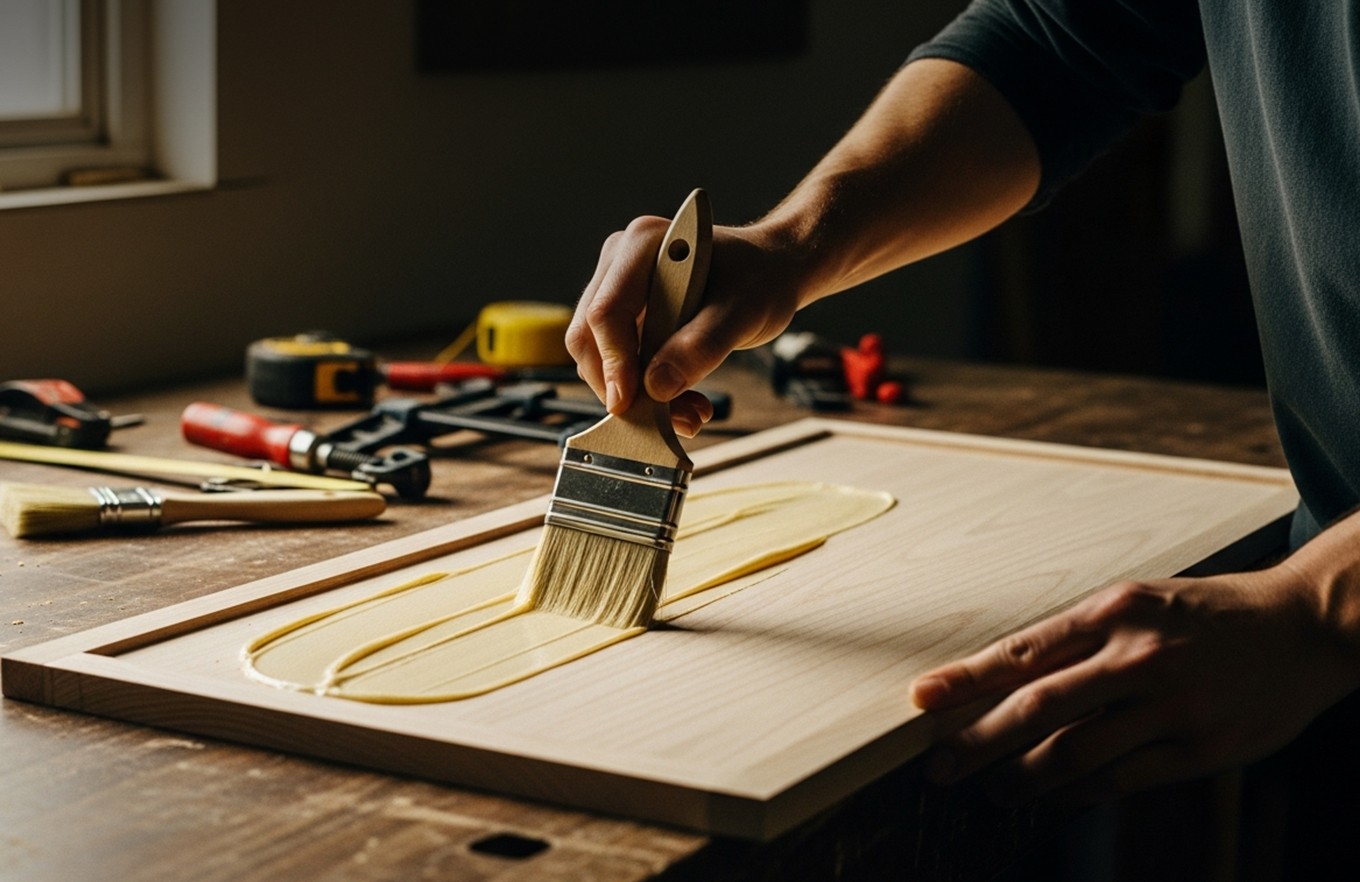
Applying too much adhesive can create messes and weaken the joint, while too little may leave gaps that compromise durability. Manufacturers often see projects where incorrect application leads to inconsistent bonding. Samad Adhesive recommends following the manufacturer's guidelines precisely. When working with rubber adhesive for industrial use, a uniform, moderate layer ensures the adhesive penetrates the surfaces properly, creating a stronger bond. Avoid the temptation to “eyeball” the application; precision is key.
Patience is not just a virtue; it’s essential for bonding success. Many failures occur because the adhesive was disturbed or loaded before it fully cured. Samad Adhesive’s experience shows that even high-quality industrial adhesives need proper curing times and environmental conditions. Temperature, humidity, and pressure all affect bonding strength. For instance, rubber adhesive for industrial use often requires slightly warmer conditions to set correctly. Ignoring these conditions can lead to weak bonds that fail under stress, defeating the purpose of using premium adhesives.
Another major habit to avoid is using adhesives on materials they weren’t designed for. While some adhesives are versatile, rubber adhesive for industrial use is often formulated for specific substrates. An industrial adhesive manufacturer like Samad Adhesive recommends always checking material compatibility. Mismatched adhesives and substrates can result in partial adhesion or total bond failure. Taking the time to confirm compatibility before application not only extends the life of the product but also reduces waste and operational frustration.
Even the strongest adhesives lose effectiveness if stored incorrectly. Heat, cold, or exposure to moisture can alter chemical properties. Samad Adhesive stresses that proper storage, airtight containers, moderate temperatures, and avoiding prolonged exposure to air are crucial. Poor handling during transportation or on-site usage also contributes to bond failures. For businesses sourcing adhesives, working with a trusted furniture adhesive supplier in Pakistan or an industrial distributor ensures products arrive in optimal condition. Correct storage maximizes the lifespan of rubber adhesive for industrial use, keeping every application consistent.
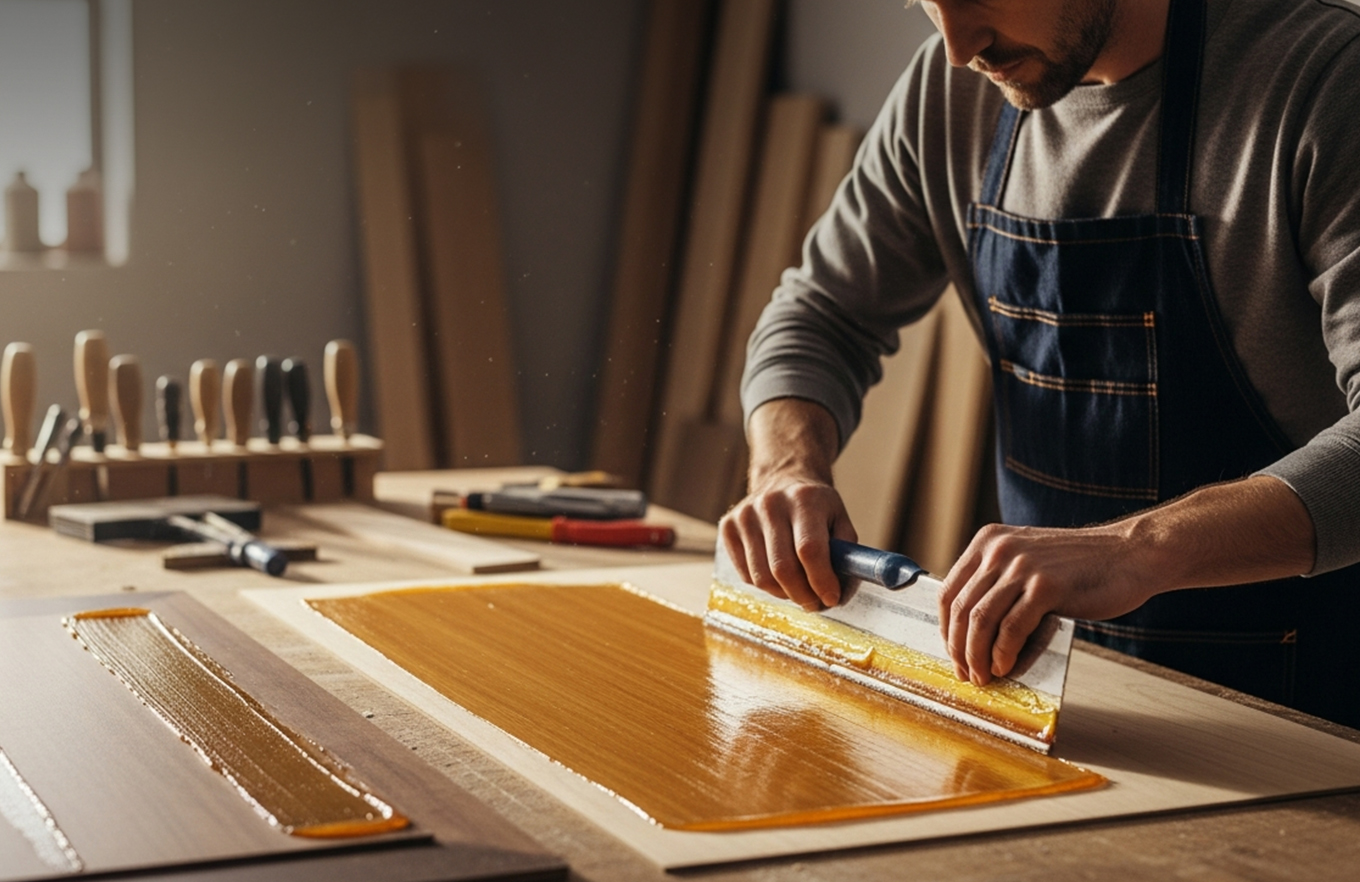
Beyond avoiding the five habits above, several small adjustments can significantly improve results. Ensure that you are applying the adhesive evenly, monitoring environmental conditions, and always checking the manufacturer’s instructions. Using premium products like Samad Bond 101 for furniture-related projects provides predictable performance. Even seasoned professionals benefit from a quick refresher on correct application techniques. Small tweaks in preparation, application, and curing routines can elevate overall efficiency and reduce project costs over time.
Enhance your bonding projects today by contacting Samad Adhesive experts for reliable guidance and premium industrial solutions.
Avoiding common bonding mistakes is crucial for anyone using adhesives in industrial or furniture applications. By focusing on surface preparation, correct application, curing times, material compatibility, and proper storage, you can maximize the strength and longevity of your bonds. Following guidance from an experienced industrial adhesive manufacturer like Samad Adhesive ensures fewer errors, less waste, and stronger results across all projects.
Store it in a cool, dry place, sealed properly, away from direct sunlight, heat, and moisture to preserve performance.
Check the adhesive specifications; Samad Adhesive provides guidance on substrate compatibility for optimal bonding.
Yes, Samad Bond 101 is designed for furniture applications, offering superior strength and durability on various materials.

.svg)