Choosing the right adhesive is only part of the equation. An experienced industrial adhesive manufacturer will tell you that application habits matter just as much as product quality when it comes to furniture durability. In furniture manufacturing, even the best adhesive can fail if it is applied incorrectly, rushed, or misunderstood. That is why professionals across the industry focus on proven habits that improve bonding performance and reduce costly rework.
Within the first few stages of production, the role of an industrial adhesive manufacturer becomes clear. Their guidance is shaped by years of observing what works, what fails, and why certain furniture joints last longer than others. When these habits are followed consistently, furniture quality improves without increasing production time or material waste.
Furniture manufacturing is not forgiving when it comes to adhesive performance. Surfaces vary, materials expand and contract, and pressure points develop over time. An industrial adhesive manufacturer understands that bonding failures are rarely caused by the adhesive alone. They usually come from shortcuts taken during the application.
This is especially true when using a contact adhesive for furniture, where timing, surface preparation, and pressure all influence final strength. Manufacturers that rely on consistent application habits see fewer complaints, better structural integrity, and improved production efficiency. Companies like Samad Adhesive have built their reputation by studying these habits and refining their adhesive solutions accordingly.

One of the first habits recommended by any industrial adhesive manufacturer is proper surface cleaning. Dust, oil, moisture, and finishing residues weaken adhesive contact. Even premium products struggle to bond when contaminants block direct contact with the substrate. In furniture assembly, cleaning surfaces before applying a contact adhesive for furniture significantly improves adhesion and long-term durability.
Wood, laminate, foam, and veneer behave differently under pressure and temperature changes. A knowledgeable industrial adhesive manufacturer selects formulations designed for specific furniture materials. Samad Adhesive emphasizes material compatibility during product development to ensure predictable performance across furniture applications.
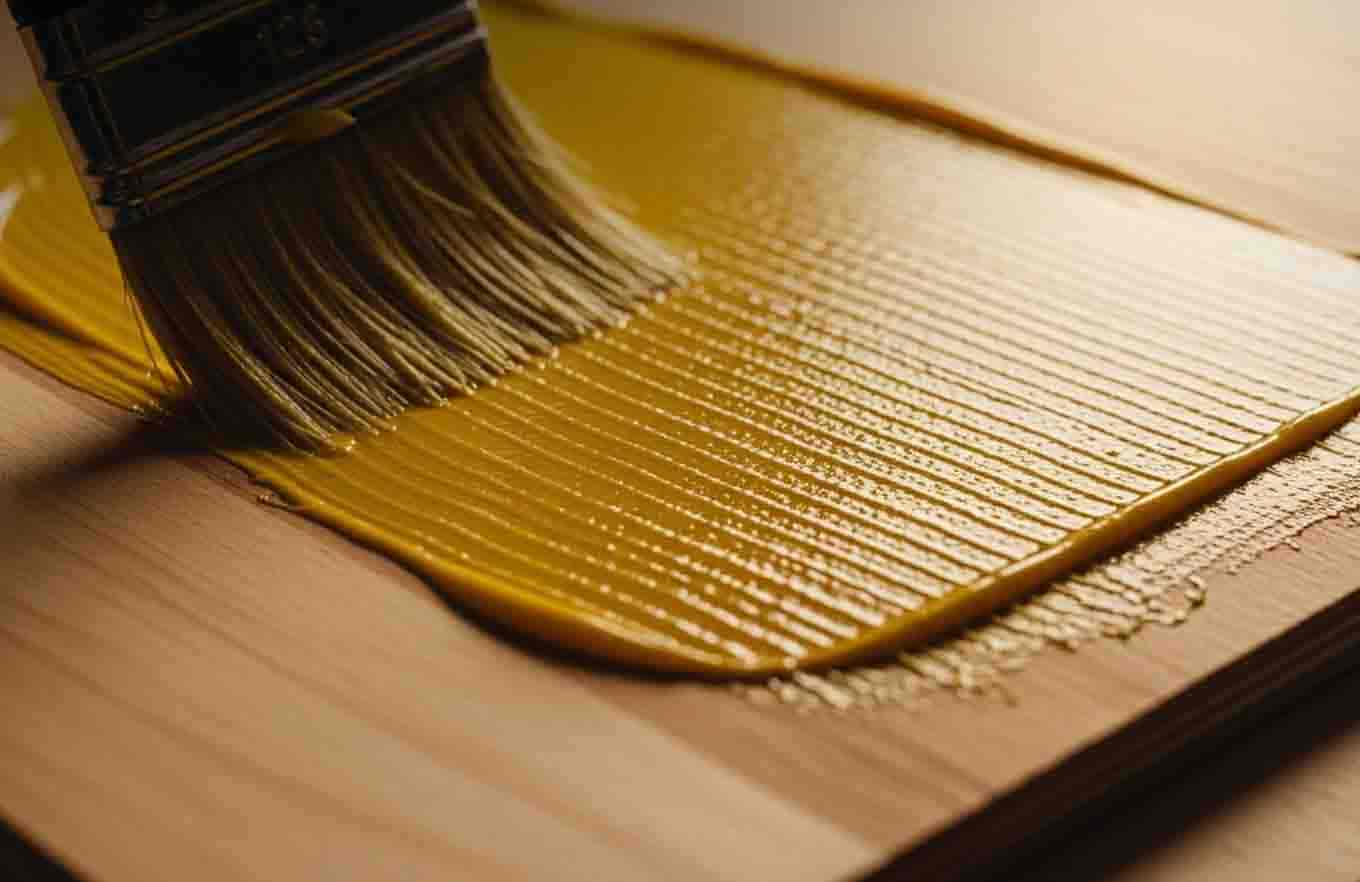
Applying too much adhesive creates weak spots, while too little reduces bond strength. Experienced manufacturers understand that uniform coverage leads to consistent results. This habit alone can prevent peeling, bubbling, and joint separation during furniture use.
One common mistake furniture workshops make is rushing assembly. An industrial adhesive manufacturer recommends respecting open time and tack time, especially when working with a contact adhesive for furniture. Allowing the adhesive to reach the proper tack level before joining surfaces creates a stronger, more reliable bond.
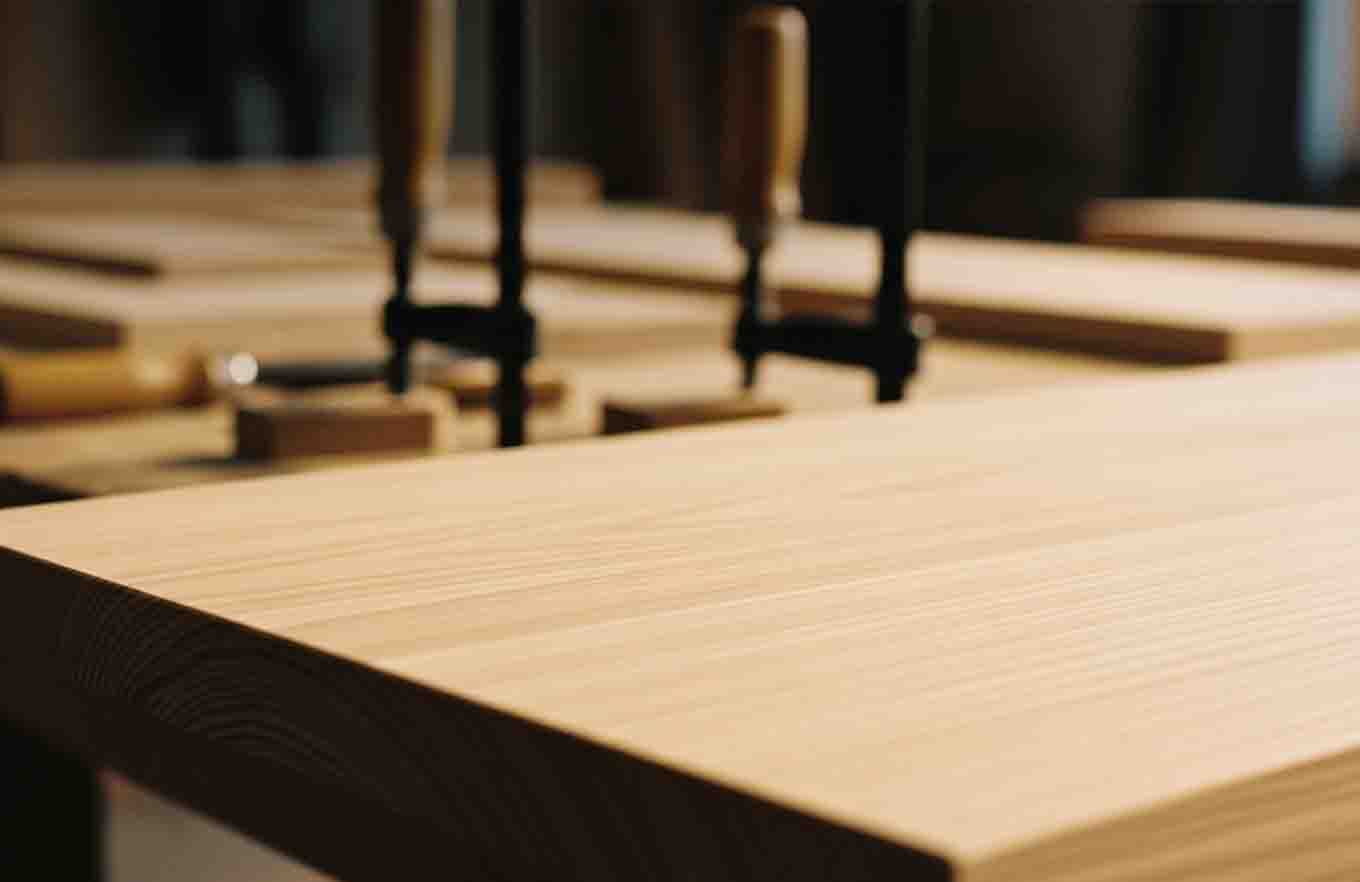
Pressure activates adhesive performance. Whether through clamps, presses, or manual force, consistent pressure ensures full contact between surfaces. Samad Adhesive tests its products under realistic pressure conditions to guide manufacturers toward optimal application results.
Furniture joints need time to stabilize. Applying weight or stress too early compromises bond integrity. Industrial adhesive specialists advise allowing sufficient curing time before moving or stacking furniture components.
Temperature and humidity directly affect adhesive behavior. An industrial adhesive manufacturer always considers environmental conditions when recommending application practices. Excess moisture slows curing, while extreme heat accelerates drying unpredictably. Furniture manufacturers who control their work environment achieve more consistent bonding results, especially with contact adhesive for furniture applications.
This is one reason why professional and reliable names such as Samad Adhesive provide usage guidance tailored to real manufacturing environments rather than ideal laboratory conditions.
Consistency depends on people as much as products. An industrial adhesive manufacturer encourages regular training for application teams so that habits remain standardized across production shifts. Clear procedures reduce variation and improve final furniture quality.
Switching adhesives without proper evaluation often leads to performance issues. Even similar-looking products behave differently. Manufacturers who rely on guidance from trusted names like Samad Adhesive avoid unexpected failures by testing alternatives before full-scale adoption.
Improper storage degrades adhesive performance. Temperature fluctuations and expired products weaken bonding strength. An industrial adhesive manufacturer treats storage discipline as part of the application process itself, not an afterthought.
While habits drive performance, product selection still matters. Samad Bond 101 is designed to support furniture manufacturers by offering reliable bonding strength when applied correctly. It reflects the standards expected by an industrial adhesive manufacturer focused on real-world furniture challenges.
Using a well-formulated contact adhesive for furniture alongside disciplined application habits ensures joints remain stable through years of daily use. This balance between product quality and process discipline is where professional furniture manufacturing truly succeeds.
Furniture bonding success is rarely accidental. It is built through disciplined habits reinforced by experience and guidance from an industrial adhesive manufacturer that understands real production environments. From surface preparation to curing time, each habit contributes to furniture that lasts longer and performs better.
Manufacturers who follow these application habits, supported by reliable solutions from Samad Adhesive, reduce waste, improve quality, and protect their reputation. In furniture production, consistency is not optional. It is the foundation of durability and trust.
Contact our team today to get expert adhesive guidance tailored to your furniture manufacturing needs.
Surface preparation, correct adhesive coverage, and respecting curing time are the most critical habits recommended by an industrial adhesive manufacturer.
Contact adhesives rely on proper tack development, and joining surfaces too early or too late weakens bond strength significantly.
By recommending consistent application habits, proper material matching, and adhesives tested under real manufacturing conditions.

.svg)